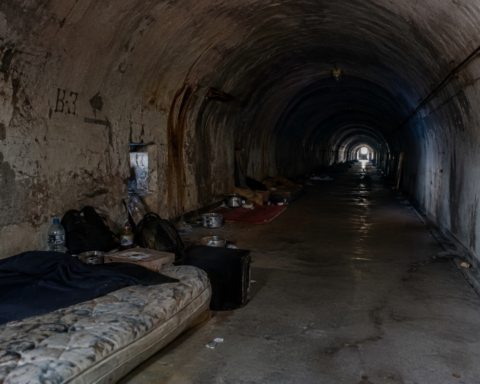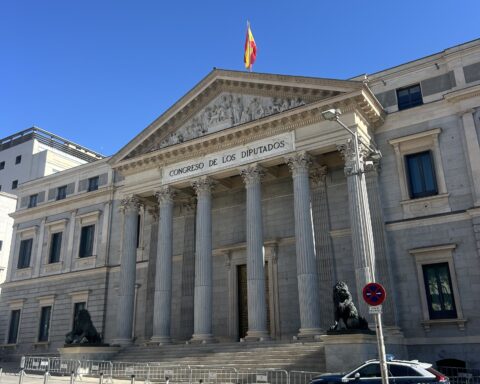

Spain’s housing market is coming under increasing pressure. New analyses by the Banco de España paint a clear picture: the country is now short of several hundred thousand homes to meet growing demand. At the same time, the role of holiday rentals and short-term lettings is moving ever more into the centre of the political debate.
Spain Expat Press Editorial Team
by Marlon Gallego Bosbach
The figures are clear – and at the same time alarming. Estimates suggest that Spain is short of up to 750,000 housing units. Major cities and economically strong regions are particularly affected, where demand has been growing faster than supply for years.
A market lagging behind demand
The development in Spain’s housing market is not a short-term phenomenon, but the result of a long-standing imbalance. While the population in many urban centres continues to grow, new construction is clearly lagging behind.
Several factors are further exacerbating the situation. Construction projects are often delayed by lengthy planning approval processes, while at the same time land for development is becoming scarce in many regions. In addition, rising costs in the construction sector and a shortage of skilled labour are further slowing down new projects.
The result is a market in which demand for housing is significantly higher than the available supply – with noticeable consequences for rents and property prices.
Holiday rentals move to the centre of the debate
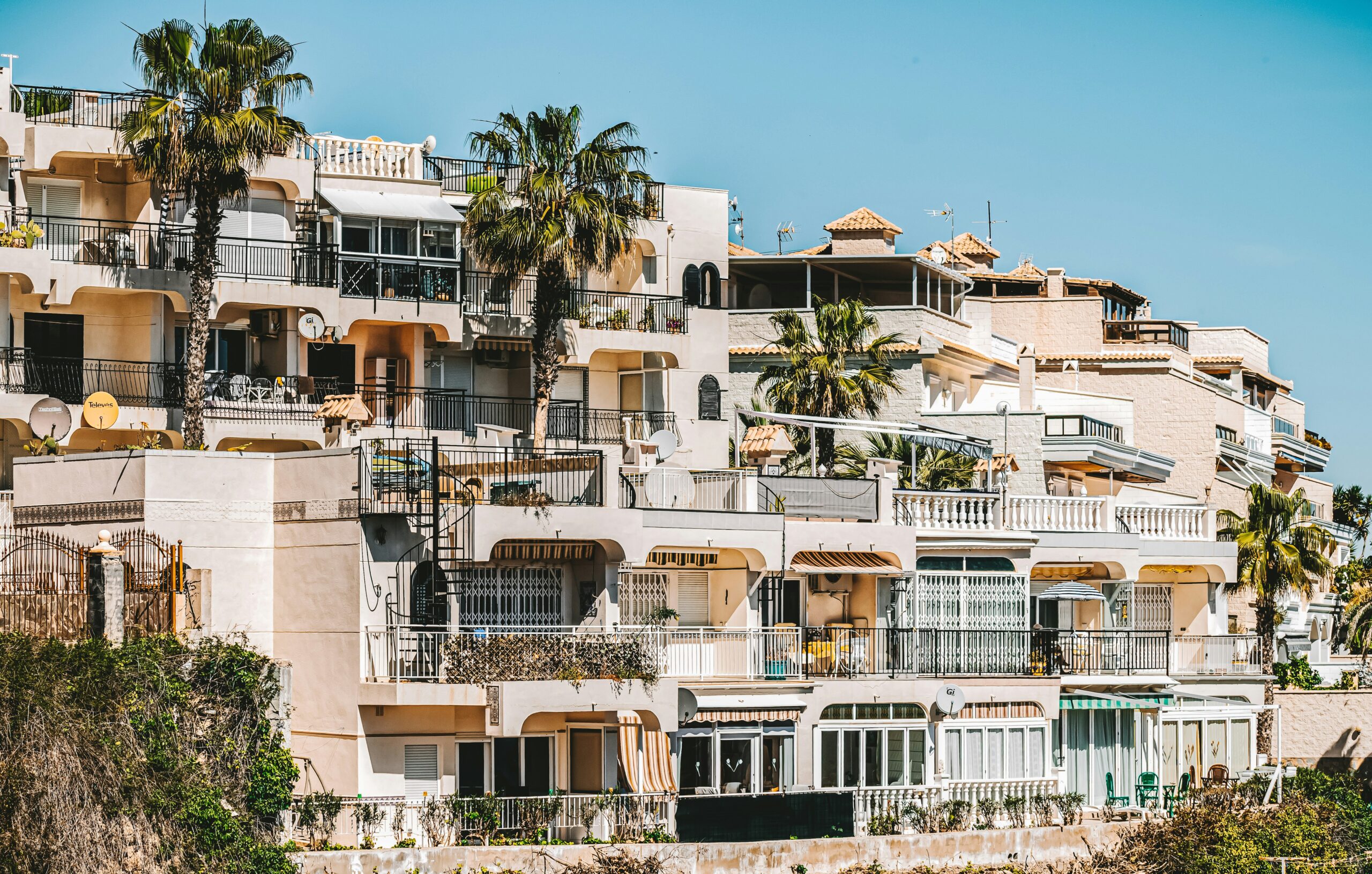
Alongside structural construction problems, another factor is increasingly coming into focus: the growing use of housing for tourist purposes. In particular, the number of short-term rentals has risen significantly in recent years in major cities and coastal regions.
Properties that were previously rented long-term to locals are increasingly being offered as holiday accommodation. As a result, the supply on the regular rental market continues to shrink, while demand remains consistently high.
The most affected areas are highly sought-after regions such as Madrid, Barcelona, and Málaga, as well as numerous coastal tourist areas and island regions. In these locations, competition for affordable housing is becoming particularly intense.
Political pressure is increasing
Against the backdrop of the strained situation, political pressure to act is also increasing. Measures to more strictly regulate short-term rentals are now being discussed. Among the proposals under consideration are time limits for holiday rentals in particularly affected markets.
The aim of such proposals would be to return more housing to the regular rental market and to curb rising rents. In so-called “strained areas”, the state could intervene more strongly in the future.
However, the debate is not without controversy. While supporters point to the growing housing shortage, critics warn of negative effects on the tourism sector, which plays a key economic role in many regions.
Rents continue to rise – especially in cities
The effects of this development are already clearly noticeable. In many major cities, rents have risen steadily over recent years. For young people, families, and middle-income households, it is becoming increasingly difficult to find affordable housing.
More and more often, tenants are having to spend a larger share of their income on housing costs. At the same time, pressure on the market continues to increase, as new housing is not being built in sufficient numbers.
A structural problem with long-term consequences
The analysis by the Banco de España makes clear that this is not a short-term imbalance, but a structural problem in Spain’s housing market. The combination of high demand, limited new construction, and the growing tourist use of housing is leading to an increasingly strained situation.
If no effective measures are implemented, the gap between supply and demand could continue to widen in the coming years.