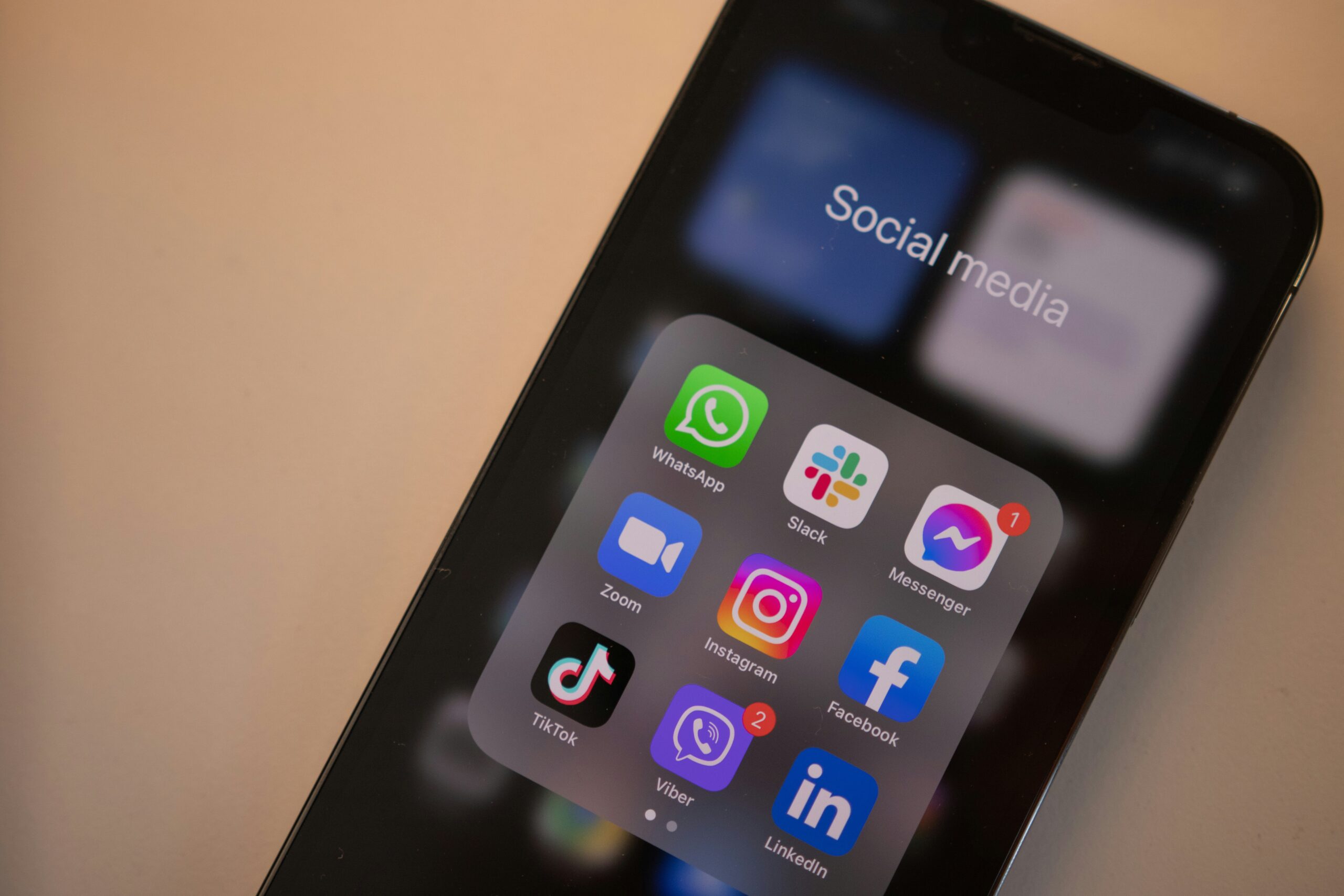
Instagram, TikTok and the like are shaping the daily lives of young people in Spain more than ever before. A recent study shows that social media platforms have long since become far more than simple entertainment channels for Generation Z. They influence communication, consumer behaviour and even the way information is consumed and processed.
Spain Expat Press Editorial Team
by Marlon Gallego Bosbach
Digitalisation has fundamentally changed everyday life in Spain in recent years. This shift is particularly evident among young people. While older generations grew up with television, newspapers or traditional websites, Generation Z moves effortlessly within social media platforms. Current data now shows just how far this development has progressed: young Spaniards are spending more than 40 hours per month on platforms such as Instagram, TikTok or YouTube.
The figures make clear that social media has long become an integral part of many people’s daily routines. Whether it is first thing in the morning after waking up, during the commute to university or in the lunch break – the smartphone is almost constantly within reach. The use of social networks is no longer limited to chatting with friends. Many young people use them to stay informed about current events, discover new products, or find inspiration for travel and leisure activities.
The smartphone as a constant companion
For Generation Z, the smartphone is far more than just a piece of technology. It serves as a communication hub, a source of news, an entertainment system and a personal assistant all at once. Many young adults reach for their phones shortly after waking up and use social media platforms repeatedly throughout the day.
The boundaries between the digital and real world are becoming increasingly blurred. Contacts are maintained via messaging apps, current developments are followed on social media platforms, and even everyday decisions are often influenced by content previously seen online. Short-form video content is particularly popular, delivering information and entertainment within just a few seconds. Platforms such as TikTok and Instagram have perfected this concept, reaching millions of users across Spain.
Why social networks are so successful
The enormous success of social networks is primarily based on their ability to tailor content individually to users’ interests. Modern algorithms continuously analyse which videos are watched, which posts are liked and which topics are accessed most frequently. On this basis, a personalised stream of news and entertainment is created, precisely tailored to each user’s preferences.
This personalisation makes the platforms particularly attractive, especially for young people. Within minutes, they receive information about their hobbies, current trends, music, sports, travel or social issues. At the same time, social networks enable immediate interaction with friends, influencers and public figures. Many users find this combination of information, entertainment and social interaction far more engaging than traditional media.
In addition, influencers now have a significant impact on purchasing decisions and lifestyles. Recommendations for fashion, technology, cosmetics or travel destinations often reach young target audiences faster and are perceived as more credible than traditional advertising.
Experts warn about the downsides
Despite the numerous advantages, experts do not view this development entirely positively. Psychologists and media specialists have been pointing out for years that intensive use of social networks can also involve risks. In particular, the increasing screen time continues to spark debate.
Many young people spend several hours online each day, which can sometimes push other activities into the background. Experts have observed, among other things, a link between excessive social media use and sleep problems, as smartphones are often used late into the night. The constant availability of new content can also make it difficult for users to consciously switch off.
In addition, social networks are repeatedly criticised for promoting unrealistic beauty standards and constant comparison with others. Through perfectly curated photos and videos, some users may get the impression that other people’s lives are more successful, more exciting or happier. This can create pressure, particularly among young people, and negatively affect self-esteem.
Spain debates stricter regulations
The growing importance of social media is now also occupying policymakers. In Spain, there has been ongoing debate for some time about how children and young people can be better protected in the digital space. The focus is on measures such as age verification and stricter requirements for platform operators.
Supporters of such regulations argue that minors must be protected from problematic content and potential online dangers. Critics, on the other hand, warn against excessive restrictions and emphasise the importance of digital freedoms. However, the debate shows that social networks are no longer merely a technical or social issue, but are increasingly gaining political relevance.
Companies adapt to the behaviour of Gen Z
This development has significant implications for the economy. Companies are responding to the changing media habits of young people by adapting their marketing strategies. While traditional advertising in newspapers or on television is losing importance, many brands are increasingly investing in digital campaigns.
Influencer marketing, in particular, has developed into an important tool in recent years. Companies are increasingly collaborating with well-known social media personalities to present their products in an authentic way and directly appeal to young target audiences. Short videos, interactive content and creative campaigns often achieve significantly greater reach than traditional forms of advertising.
For many companies, Generation Z is now considered one of the most important consumer groups of the future. Anyone looking to reach this target audience can hardly avoid social networks.
A generation in a constant state of digital connectivity
The current developments clearly illustrate how strongly social media now shapes the lives of young people in Spain. Platforms that were originally intended mainly for sharing photos and messages have evolved into central components of modern everyday life.
Whether for entertainment, news, friendships or consumption, a significant part of daily life now takes place online. For Generation Z, social networks are no longer just an additional pastime, but a natural part of their world. At the same time, the public debate is growing about what a healthy approach to digital media should look like and what role social networks will play in the lives of young people in the future.