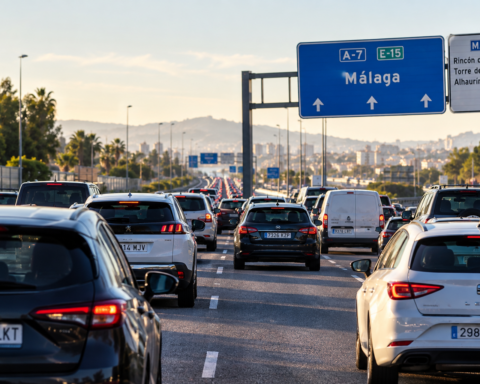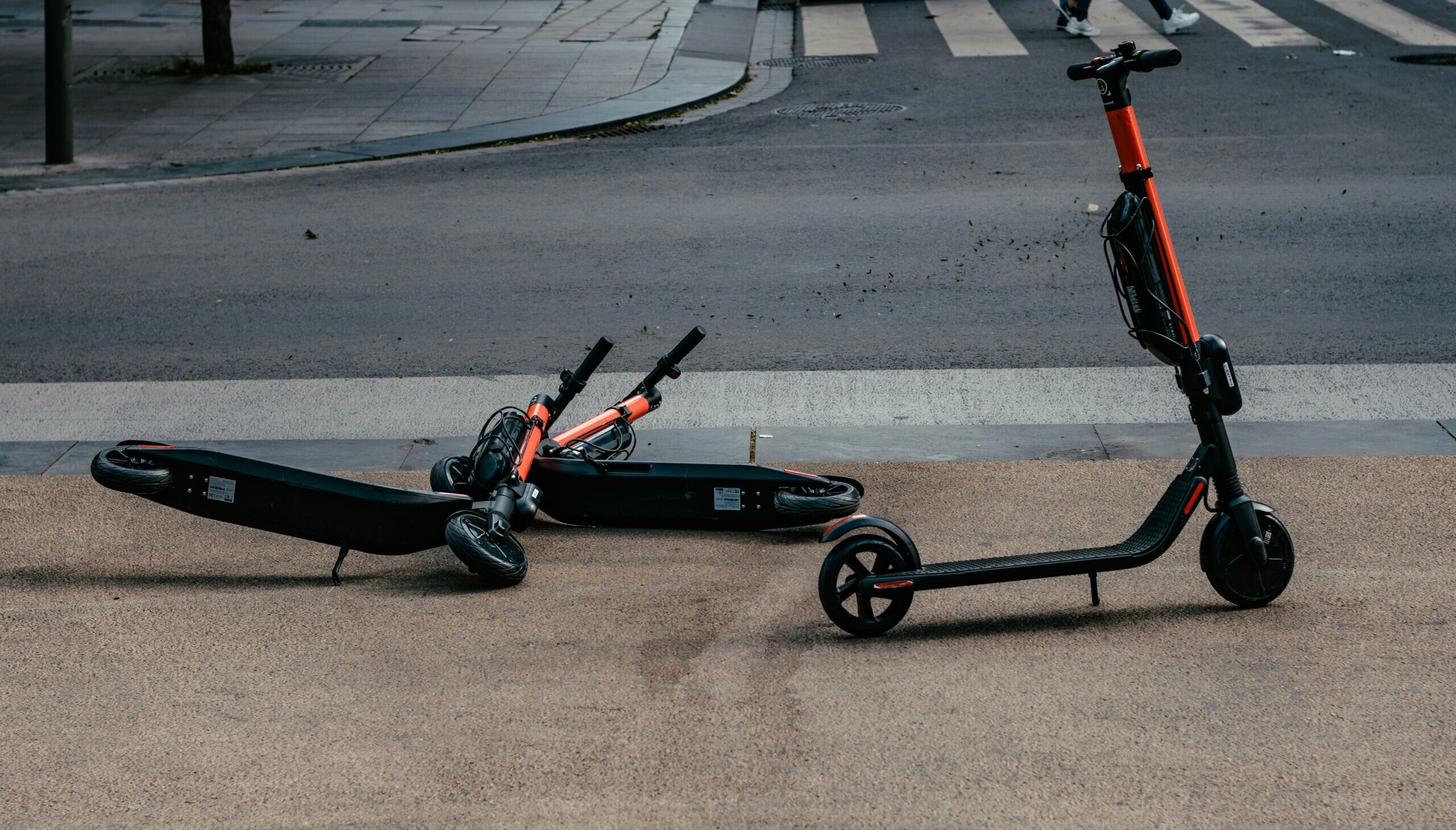
With a comprehensive reform of the road traffic regulations, Spain is responding to the growing number of e-scooters, rising accident rates and new forms of urban mobility. The changes affect millions of road users across the country.
Spain Expat Press Editorial Team
by Marlon Gallego Bosbach
Spain is comprehensively reshaping its road traffic system. The government has approved a reform of the general traffic regulations, which is primarily aimed at improving everyday safety. The focus is on so-called “vulnerable road users”, meaning particularly at-risk road users such as pedestrians, cyclists and e-scooter users.
The reform is one of the most far-reaching changes in recent years and is intended to standardise the rules across the country. Until now, there have been major differences between cities and regions, particularly regarding e-scooters, which has repeatedly led to uncertainty.
E-scooters under stricter regulations
The changes are particularly evident in the area of electric scooters, which have experienced a real boom in Spanish cities in recent years. However, with increasing usage, accident rates have also risen, which has now led to stricter regulations.
From now on, a minimum age of 15 will apply for the use of e-scooters. In addition, wearing a helmet will be mandatory. New requirements are also being introduced regarding technical equipment: vehicles must have functioning lights when visibility is poor or at night, as well as reflective elements.
Violations of the new rules can be fined up to €200. The aim is to improve safety in urban traffic and, in particular, to better protect younger riders.
Greater protection for cyclists in road traffic
The reform also brings important changes for cyclists. Overtaking by cars will be subject to stricter rules. From now on, drivers must maintain a significantly greater distance in order to reduce the risk of accidents.
In certain traffic situations, drivers may be required to change lanes completely when overtaking cyclists. This measure is intended to improve safety, particularly in densely trafficked urban areas, and to minimise conflicts between different road users.
New regulations for motorcyclists
Motorcyclists are also affected by the reform. Additional safety equipment will become mandatory for them. This includes, among other things, wearing protective gloves as well as closed-toe footwear.
These measures are intended to reduce the risk of injury in accidents and improve overall road safety. At the same time, the rules governing road behaviour are being tightened, particularly when overtaking and in difficult traffic conditions.
More uniform rules and greater road safety
A key objective of the reform is to standardise existing regulations. In recent years, many cities had introduced their own rules for e-scooters and other forms of mobility, resulting in an inconsistent regulatory framework.
The new national regulations are intended to establish clear standards that apply across the entire country. The government is also responding to the growing spread of new forms of mobility, which have significantly transformed road traffic in Spain.
Background: More e-scooters, more accidents
The reform is also a response to the growing use of e-scooters in Spanish cities. In major cities such as Madrid or Barcelona, electric scooters have long become an established part of the urban landscape.
At the same time, the number of accidents involving these vehicles has increased in recent years. Authorities therefore see a need for action in order to better protect both users and other road users.
Entry into force of the new rules
The new regulations are set to be introduced gradually. A large part of the reform is expected to come into force from October 2026, while some measures will not be fully implemented until 2027. With this reform, Spain is responding to changes in urban transport. New forms of mobility are to remain possible, but under clearer and stricter safety conditions.
The government is aiming to strike a balance between modern, flexible mobility and the protection of all road users. Whether the new rules will lead to fewer accidents in the long term will become clear in the coming years.