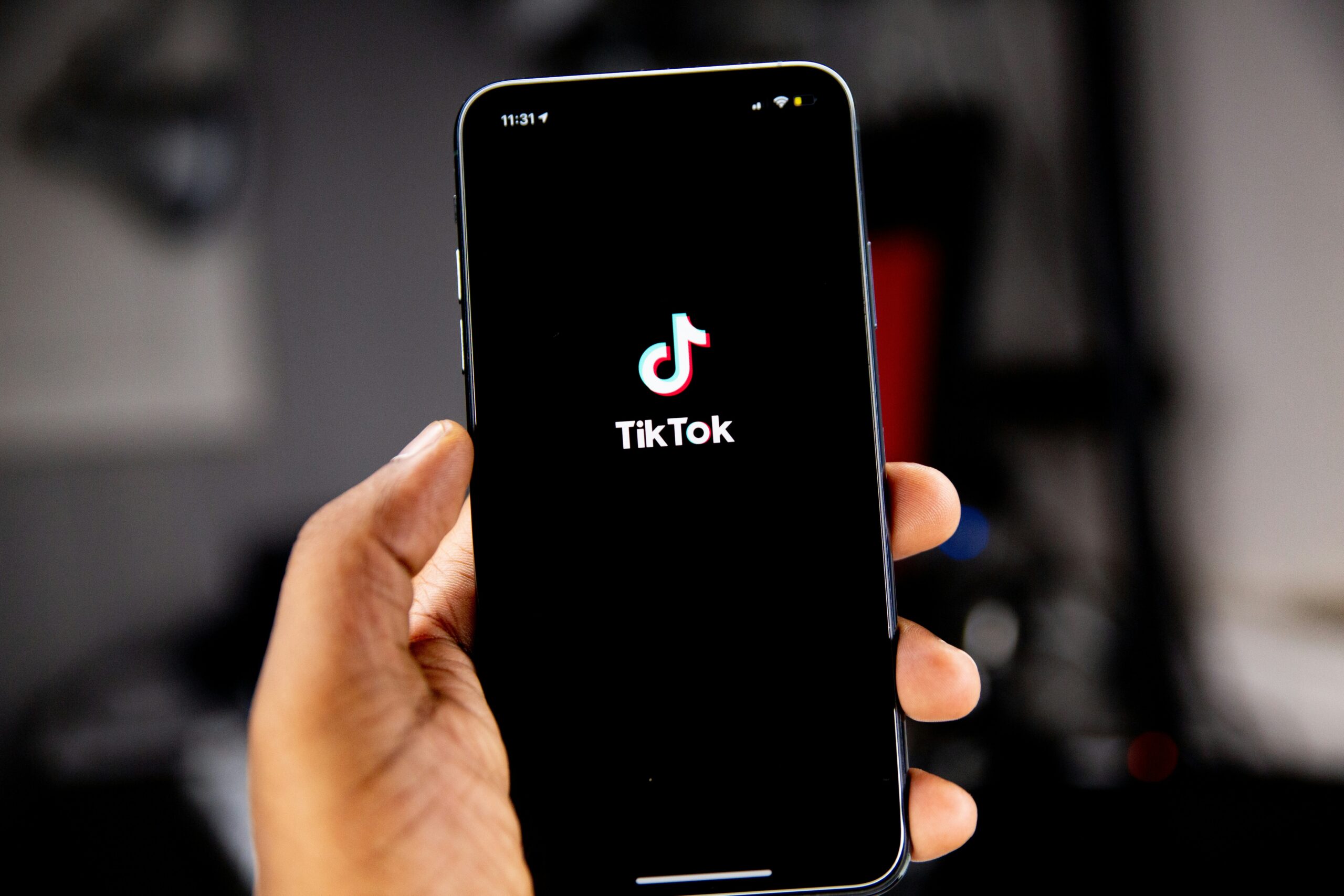
The European Commission is increasing pressure on TikTok. Following a preliminary assessment, Brussels has concluded that the platform may be breaching European digital rules by failing to provide sufficient protection for minors. The main areas of concern are the privacy of young users, the visibility of their content and the risks posed by unwanted contact.
Spain Expat Press Editorial Team
by Marlon Gallego Bosbach
The decision is also attracting significant attention in Spain. Millions of young people use TikTok every day as an entertainment platform, a communication channel and a space for self-expression. The dispute between the European Union and TikTok therefore directly affects a generation for whom social networks have long become an integral part of everyday life.
EU criticises lack of protection for minors
At the centre of the allegations is TikTok’s handling of young users’ accounts. The European Commission believes there are indications that the platform does not sufficiently ensure that minors are automatically protected through appropriate privacy settings.
According to the EU, children and young people need stronger protection against potential online risks. These include unwanted contact from strangers, cyberbullying and the uncontrolled spread of personal content. Possible psychological pressures linked to the use of social media platforms also play an important role in the authorities’ assessment.
Brussels is particularly critical of the fact that protective measures are not consistently activated as default settings. Younger users in particular often struggle to assess the long-term consequences of public profiles or freely accessible content. The EU is therefore calling for platforms such as TikTok to take greater responsibility and ensure that safety settings are designed from the outset to protect minors.
TikTok under particular scrutiny
TikTok is one of the most successful social media platforms in the world and has an especially significant reach among young people. The app is built around short videos, personalised recommendations and an algorithm that continuously presents users with new content.
It is precisely this way of operating that has fuelled debate for some time. Critics warn that the constant availability of new content can encourage young people to spend extended periods of time on the platform. There are also concerns that teenagers may be more exposed to harmful content, social pressure or unrealistic portrayals of beauty, success and lifestyle.
TikTok rejects the allegations and stresses that it has already introduced numerous measures to protect young users. The company points to privacy features, restrictions on certain communication functions and parental control tools. At the same time, the platform says it intends to continue working with European authorities.
What does the case mean for Spain?
For Spain, the dispute between the EU and TikTok is of particular significance. The country is among the European nations where social media plays an especially important role in the lives of young people. For many young Spaniards, TikTok is no longer just a platform for entertainment, but also an important space for communication, self-expression and interaction with their peers.
Many young people in Spain use the app every day to follow trends, publish their own videos, share creative content or keep up with information from their local surroundings and the wider world. As a result, any changes to European regulations could have a direct impact on millions of young users across the country.
The debate also highlights how deeply social media has become integrated into the daily lives of young people in Spain. Stricter regulation could therefore not only lead to technical changes at TikTok, but also influence how young people use digital platforms in the future.
Young people in Spain at the centre of the debate
In Spain, the impact of social networks on children and young people has been the subject of intense debate for several years. Parents, schools and experts are increasingly focusing on issues surrounding data protection, digital dependency and the psychological effects of online platforms.
Experts are particularly concerned about situations in which young people share personal information, private moments or images publicly without fully understanding the potential consequences. Content that has been published online can spread rapidly within a short period of time and may remain accessible for many years.
For young people, this can have consequences later in various areas of life – including their school environment, personal relationships or even their future professional development. This is why many experts are calling for stronger protection measures from the platforms themselves, as well as improved digital education.
Schools and families face new challenges
The possible tightening of European regulations could also have consequences for Spanish families and educational institutions. Schools are increasingly addressing the issue of media literacy and are working to raise young people’s awareness of using social networks responsibly.
The aim is not to reject digital platforms altogether. Instead, the key question is how young people can benefit from social media while being protected from unnecessary risks.
Education about data protection, a conscious approach to sharing personal information and greater support for parents all play an important role. Many parents are faced with the challenge of understanding and guiding their children through the digital world.
Possible consequences for TikTok
No final decision has yet been made by the European Union. The Commission’s current findings are part of an ongoing procedure. TikTok has the opportunity to respond to the allegations and present the measures it has taken to protect users.
Should Brussels ultimately determine that TikTok has breached the Digital Services Act, far-reaching consequences could follow. In addition to possible substantial fines, the EU could also demand specific changes to the way the platform operates.
For TikTok, this could mean that safety mechanisms for minors may have to be adjusted across Europe. This could include stricter default settings, additional control options or further restrictions for younger users.
Spain is closely watching the decision from Brussels
The case shows how deeply social networks have become part of young people’s everyday lives. What begins in Brussels as a procedure against a major technology company has very concrete implications in Spain for teenagers, parents and educational institutions.
The debate surrounding TikTok therefore represents a broader social question: How can young people use digital platforms freely while ensuring that their privacy and safety are protected at the same time?
As the European Commission continues its investigation, it remains to be seen what changes TikTok will ultimately have to implement. For Spain, however, the decision could represent an important step in reshaping the protection of children and young people in the digital environment and changing the way social networks are used in the long term.