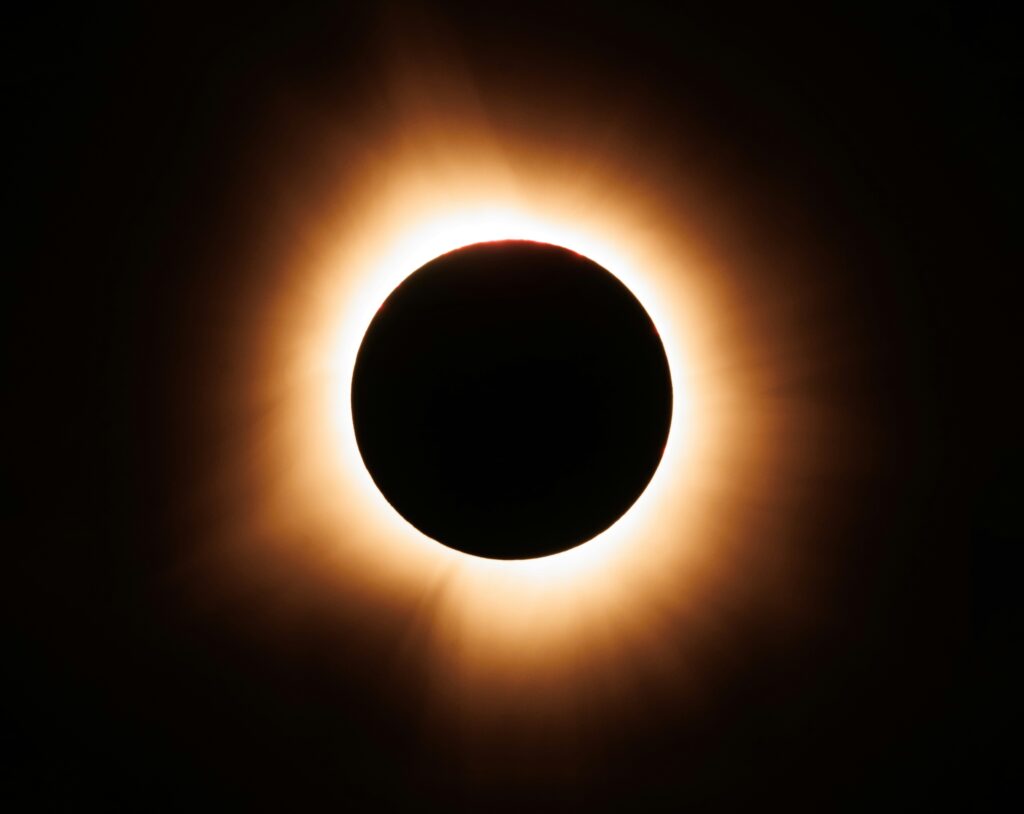
The total solar eclipse on 12 August led to more than 500 medical treatments and consultations across Spain. Eye-related complaints were particularly common. However, no serious cases have been reported so far.
Spain Expat Press Editorial Team
by Marlon Gallego Bosbach
The spectacular total solar eclipse in Spain not only produced stunning images, but also sent numerous people to medical facilities. According to preliminary figures, more than 500 people across 14 autonomous communities received medical treatment or advice in connection with the celestial event. The majority of cases involved eye-related complaints. Overall, however, health authorities say the medical impact has been relatively mild.
More than 100 cases in Madrid
A particularly high number of medical cases were recorded in the Madrid region. By Thursday morning, 101 people had received treatment there. Of these, 77 patients visited hospitals, six were treated in primary care, and a further 18 were treated by the Summa emergency medical service.
Reported symptoms included dizziness, general discomfort and eye-related complaints. No serious cases were reported.
Catalonia reports 143 enquiries
The highest number of individual enquiries was reported in Catalonia. The Catalan emergency medical service recorded a total of 143 enquiries related to the solar eclipse. In 40 cases, the complaints involved eye problems.
The enquiries were spread across various parts of the region, including Barcelona, Girona, Lleida, Tarragona and other areas. Six incidents resulted in ambulances being dispatched, while three people were taken to medical facilities.
Valencia and Asturias also affected
In the Valencia region, 70 people were treated at ophthalmology facilities. None of those affected required hospital admission.
In Asturias, 64 people sought medical attention for eye problems. However, only 18 were diagnosed with conditions that could be linked to viewing the solar eclipse. Health authorities also point out that eye complaints can occur independently of the eclipse.
58 cases in the Basque Country
The Basque Country also saw numerous people receive medical treatment. Since midnight following the solar eclipse, health services have recorded 58 cases.
Of these, 36 were treated in hospitals and a further 22 in primary care. The complaints mainly involved vision problems or cases in which people had apparently viewed the Sun without adequate eye protection. All cases were classified as minor.
Further cases reported across Spain
Medical incidents were also reported in numerous other regions. In Andalusia, 44 people received hospital treatment, although none required admission.
In Murcia, 32 people were treated for eye-related complaints. Again, none of the cases was considered serious. In the Balearic Islands, 16 ophthalmological emergencies linked to the solar eclipse were recorded.
In La Rioja, around 20 people were treated for eye-related complaints. Four patients were found to have injuries consistent with exposure to sunlight. Two cases were considered minor, while the outcome of two others was initially still being monitored.
Further medical incidents were also recorded in Castilla-La Mancha, Castilla y León, Aragón, Navarra and Extremadura. In addition to eye problems, some cases involved dizziness, falls, dehydration or heat-related complaints.
No major health crisis
Despite the high number of medical cases, authorities have so far said there is no indication of a major health emergency. Most of the complaints were minor and did not require hospital admission.
Authorities have also stressed that many people followed the recommended safety measures. In some regions, clouds and fog also obscured the event, reducing direct exposure to sunlight in certain areas.
Eye problems can develop with a delay
It is particularly important to note that potential eye damage may not necessarily be noticed immediately after looking at the Sun. An expert at Hospital Donostia therefore recommends watching for possible symptoms over the coming weeks.
According to the ophthalmologist there, such symptoms can still develop within 30 days. Health services will therefore continue to monitor the situation.
Protective eyewear remains essential
The events surrounding the solar eclipse once again highlight the importance of proper eye protection when observing the Sun. Looking directly at the Sun can cause eye damage, in particular.
Authorities also attribute the relatively mild overall outcome to the fact that a large proportion of the public followed the recommended safety measures.