After weeks of political dispute, the date has now been set: Spanish Prime Minister Pedro Sánchez will appear before the Congreso de los Diputados on 3 September to explain his government’s response to the migration crisis in Ceuta. Particularly contentious is the disagreement within the government over what information was available ahead of the mass arrival of migrants.
Spain Expat Press Editorial Team
by Marlon Gallego Bosbach
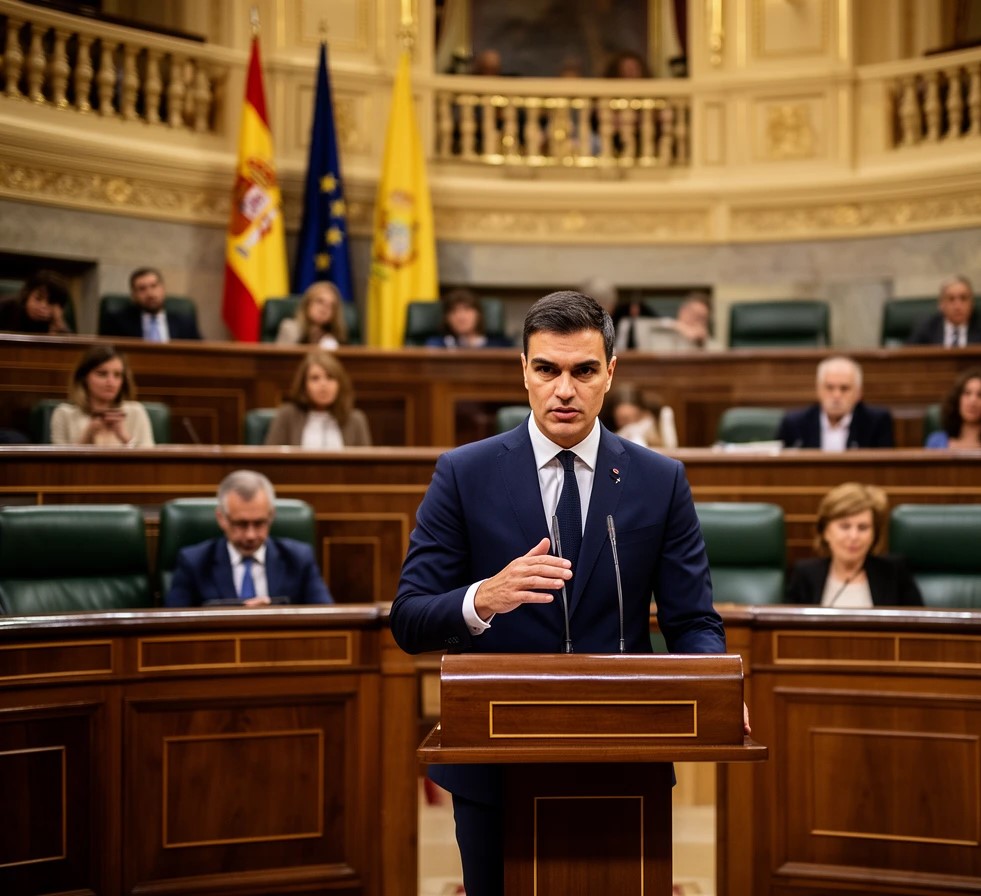
The migration crisis in Ceuta continues to dominate Spanish politics. Around four weeks after the mass arrival of migrants at the end of July, Prime Minister Pedro Sánchez will now personally have to explain himself before Parliament. His government requested a voluntary appearance, and Congress has since brought the date forward to 3 September.
Sánchez to answer questions over the crisis in Ceuta
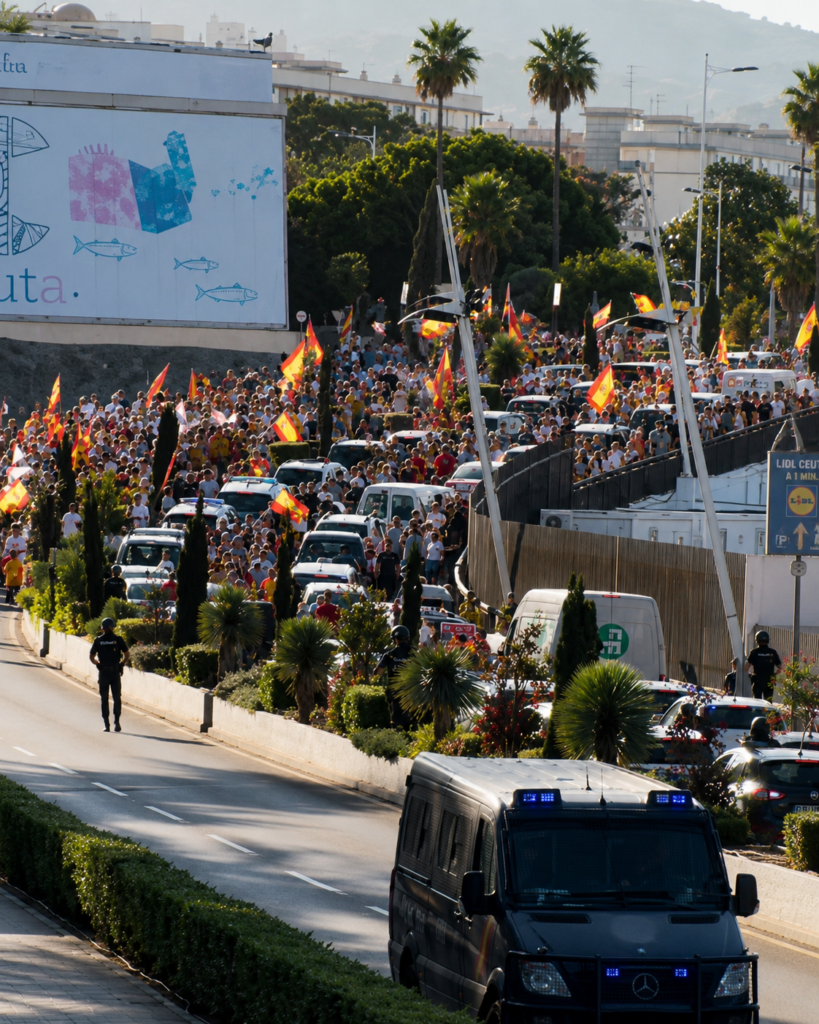
During his appearance, Sánchez is expected to explain in particular the measures taken by his government and its handling of the situation in the Spanish enclave. At the end of July, more than 70,000 people arrived in Ceuta from the direction of Morocco within a short period of time. The extraordinary situation posed significant challenges for the authorities.
The opposition had been calling for the Prime Minister to address Parliament in person since the beginning of the crisis. The Partido Popular (PP), in particular, had pushed for Sánchez to appear before Parliament as soon as possible.
A later appearance by the Prime Minister had initially been under discussion. Sánchez is now expected to address Congress as early as Thursday, 3 September, during an extraordinary plenary session.
Government under pressure over its handling of the crisis
Political pressure on the government has increased significantly in recent days. Several ministers have already had to, or are due to, address Parliament over the handling of the crisis.
The criticism was particularly evident during the parliamentary hearing of Defence Minister Margarita Robles. She acknowledged that the government had reacted too late and had not done enough in response to the events in Ceuta. At the same time, she apologised to the city’s residents and described the events as an attack on Spain’s territorial integrity.
Robles’ remarks have further intensified the debate over the government’s handling of the crisis.
Dispute over intelligence service information
Particularly contentious is the question of what the Spanish authorities knew ahead of the mass arrival. Robles told Congress that Spain’s intelligence service, the CNI, had carried out its duties and shared information. She also referred to the around 25 CNI personnel stationed in Ceuta.
Interior Minister Fernando Grande-Marlaska, however, has given a different account. The government delegation in Ceuta has also said that it did not receive any warning indicating the scale of the arrivals that would later take place.
This raises a key question: were there concrete indications before 30 July of an impending mass arrival – and, if so, why was the government unable to respond accordingly?
Opposition calls for further investigation
The Partido Popular is using the conflicting statements to increase pressure on the government. PP leader Alberto Núñez Feijóo is calling, among other measures, for the parliamentary committee overseeing intelligence matters to be convened.
The opposition accuses Sánchez of failing to bring the situation under control quickly enough and of taking personal responsibility too late. The government rejects these criticisms, pointing to the measures taken after the crisis began.
The government is also attempting to reconcile the differing accounts given by Robles and Marlaska. PSOE parliamentary group leader Patxi López argued that both versions could be true at the same time: the CNI may have detected movements of people and shared relevant information without being able to foresee the extraordinary scale of the subsequent migration influx.
The situation facing the migrants also remains unresolved
Alongside the political fallout, the government continues to face practical challenges. These include, in particular, providing care and accommodation for those who arrived in Ceuta, as well as dealing with the situation of unaccompanied minors.
Several Spanish regions are refusing to accept further underage migrants from Ceuta. Castilla y León, Extremadura and Aragón have already announced that they will challenge the proposed transfers through the courts. The debate over the crisis is therefore likely to continue even after Sánchez’s appearance before Congress.
Sánchez faces a difficult parliamentary debate
The hearing comes at a politically difficult time for the Prime Minister. The government must not only explain how the mass influx occurred, but also set out what lessons it has learnt from the crisis.
The key question is likely to be whether the government was informed about the developments in time and whether the existing security and intelligence structures functioned adequately.
On 3 September, Sánchez will have the opportunity to present his government’s position and respond to criticism from the opposition. One thing is already clear: the debate over the migration crisis in Ceuta is likely to occupy the Spanish Congress for some time to come.