The worst weekend in the history of the Canary Islands route has pushed the archipelago’s smallest island to breaking point once again. As the island council begs for help, the so-called “pull factor” has moved to the heart of the debate, thirteen days before Spain’s general election.
Spain Expat Press Editorial Team
A record-breaking weekend
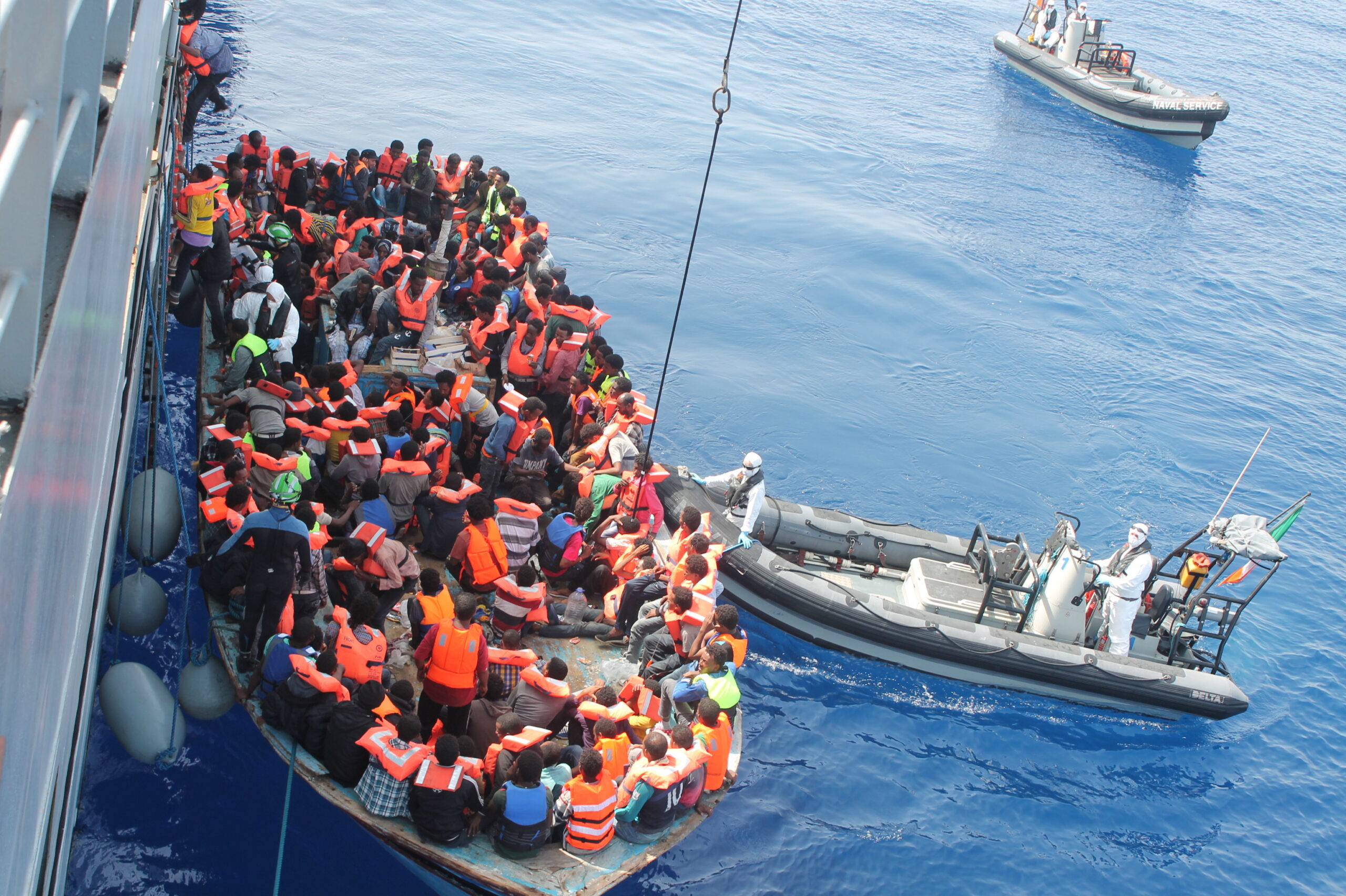
El Hierro has just lived through the worst day of the entire migration crisis. On Saturday alone, more than 1,300 people reached the island aboard 13 cayucos – the traditional wooden fishing boats of West Africa. According to the Spanish daily 20minutos, that is the highest number of arrivals in a single day on the Canaries route for 32 years. The previous record dated from 7 November 2020.
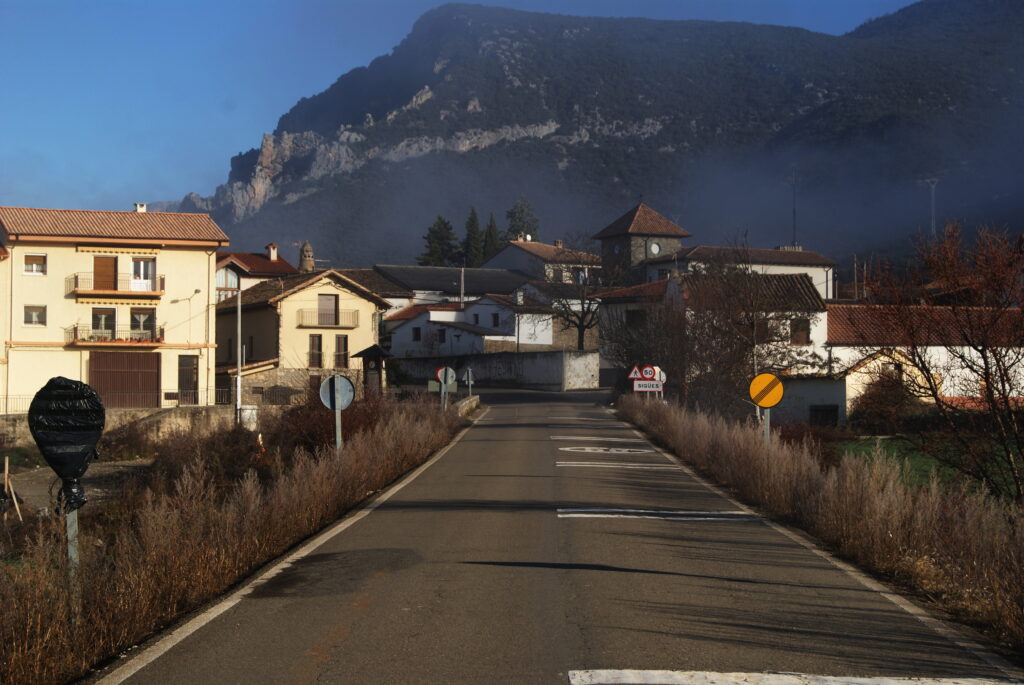
Most of the boats docked at the port of La Restinga, escorted by vessels from the Spanish maritime rescue service, Salvamento Marítimo, and Guardia Civil patrol boats. One of Saturday’s boats was carrying 240 people, including 36 minors and 12 women, after six days at sea from Gunjur, in The Gambia. Sunday was calmer, but the arrivals did not stop: another boat with 79 people on board, three of them minors, came in from Mboro, Senegal, after five days at sea.
How many have arrived in November?
The figures are staggering. In the first 15 days of November, more than 8,000 people arrived on El Hierro aboard 91 boats – more than six boats a day. By way of comparison, between 1 January and 31 October a total of 66 boats had arrived. In two weeks, the island has taken in far more people than in the previous ten months combined.
The vast majority are young sub-Saharan Africans, mainly from Senegal, The Gambia and Guinea. What makes the situation so acute is the scale relative to the local population: El Hierro has only around 11,400 residents. In half a month, the number of new arrivals has reached the equivalent of 70 per cent of the island’s population.
The figures come from rescue services’ tallies and local media. The Spanish Interior Ministry’s official fortnightly report does not yet cover the second half of November, so the final numbers may differ.
An island at its limit
The Cabildo, El Hierro’s island council, declared a social emergency at the start of the month and has appealed to both the Canary Islands regional government and the Spanish government in Madrid for urgent help. Its president, Alpidio Armas, put it bluntly: “El Hierro cannot take any more.” The solidarity of the islanders is not enough, Armas insists; what the island needs is real, tangible help from the authorities responsible.
The strain is felt everywhere: in the port of La Restinga, a fishing village of around 500 people; among fishermen and the diving schools for which El Hierro is renowned; and at the island’s only hospital, Nuestra Señora de los Reyes, designed to serve around 11,000 residents.
The row over the “pull factor”
With Spain’s general election on 29 November less than a fortnight away, the crisis on El Hierro has become one of the central issues of the campaign.
For the opposition, the blame lies squarely with the government of Prime Minister Pedro Sánchez of the Socialist party (PSOE). Alberto Núñez Feijóo, leader of the centre-right People’s Party (PP), accused Sánchez of “encouraging a pull factor” – efecto llamada in Spanish – during his tour of Africa and of “promoting Spain as a destination”. Feijóo is calling for migrants to come only with a job contract secured in their home country. The hard-right Vox party goes further: its secretary-general, Ignacio Garriga, warns that taking in the migrants who reached El Hierro and relocating them to the mainland will only strengthen the pull factor. As early as March, senior police officers warned that the mass regularisation of migrants announced by the government in January was creating a pull factor and leading to more crossing attempts.
The government and experts point to other causes. According to Anselmo Pestana, the central government’s delegate in the Canary Islands, the decisive factor is Senegal: throughout 2025 and much of 2026, hardly any boats set off from there. Researchers also cite the favourable sea conditions in autumn, which every year drive up arrivals in October and November, as well as weaker police controls in the ports of Senegal and The Gambia. Interior Minister Fernando Grande-Marlaska travelled to Dakar to press Senegal to tighten controls on departures.
Nor is there a single line within the Canaries. Alpidio Armas, himself a Socialist, is urging the PP to back a reform of Spain’s immigration law that would allow unaccompanied minors to be distributed across the country. The Canary Islands’ regional president, Fernando Clavijo, criticises the political exploitation of migration and fears the islands could end up as one vast holding centre.
What does it mean for visitors and residents?
Travel to El Hierro remains possible, and the authorities have issued no specific guidance for visitors. Anyone diving or staying in La Restinga at the moment will, however, witness the arrivals at the harbour first-hand. On the main holiday islands of Tenerife and Gran Canaria, the impact is far less visible.
What now?
One thing is beyond dispute: El Hierro needs help, and it needs it now. The smallest of the Canary Islands is once again bearing the weight of the deadliest migration route in the world – this month alone, a shipwreck off Senegal claimed at least 21 lives. With autumn still under way and the sea calm, islanders fear the worst is not yet over. SpanienExpat Press will continue to follow the story.