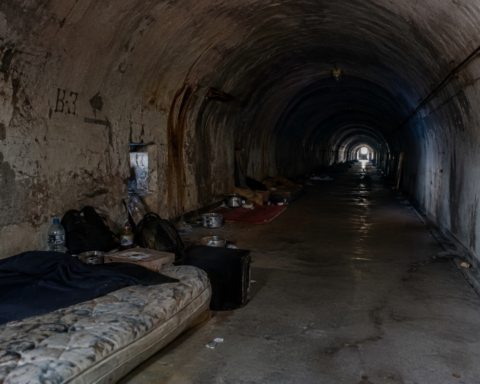
The Spanish property market is facing a structural imbalance: an increasing number of households is meeting a stagnant supply of housing. Experts are sounding the alarm – the shortfall could reach historic proportions in the coming years.
Spain Press Editorial Team
by Marlon Gallego Bosbach
Recent analyses by major banks such as BBVA and CaixaBank paint a clear picture: Spain is facing a housing shortage of up to 800,000 units by 2027, which could rise to more than 900,000 homes by the end of the decade.
Demand is growing faster than supply
The core of the problem lies in the imbalance between supply and demand. Each year, around 200,000 new households are formed in Spain, with some forecasts suggesting even higher numbers. At the same time, only about 160,000 new homes are completed annually.
This means that less than half of the demand is being met. As a result, the housing market is coming under increasing pressure.
A key driver is ongoing immigration. The net migration alone amounts to around 550,000 people per year, further fuelling demand.
Prices continue to rise – despite slower momentum
The effects are already visible: property prices continue to climb. Experts expect an increase of over ten percent in 2026, and the upward trend is likely to continue in the following years – albeit at a slightly more moderate pace.
At the same time, the shortage is causing fewer properties to be sold – not due to a lack of buyers, but simply because there is too little supply.
The construction sector is struggling with structural problems
Why is more not being built? The reasons are manifold and have been known for years:
- A shortage of immediately developable land
- A shortage of skilled labour in the construction sector
- Rising construction costs
- Regulatory uncertainty
- Low returns for property developers
These factors are significantly slowing construction activity. Even rising demand and higher prices have so far been insufficient to trigger a substantial increase in supply.
Particularly affected: major cities and coastal regions
The housing shortage is not evenly distributed. The situation is particularly critical in economically strong regions such as Madrid, Barcelona, and Valencia, where demand is especially high – while construction activity fails to keep pace.
This further exacerbates regional imbalances.
Structural problem rather than a short-term crisis
Experts agree: this is not a temporary phenomenon, but a structural problem. For years, fewer homes have been built than new households created.
Without fundamental reforms – such as faster permitting processes, more developable land, or better investment conditions – the situation is likely to worsen further.
Conclusion
Spain is facing one of the greatest challenges in its property market since the financial crisis.
The combination of rising demand and limited supply is leading to a growing shortfall, increasing prices, and more difficult access to housing.
If the structural problems remain unaddressed, the housing shortage could soon reach the one million mark – with far-reaching consequences for the economy and society.