Spain is preparing for an extraordinary event: ahead of the upcoming solar eclipse, the Ministry of the Interior is planning one of the largest security operations of recent years. Around 33,600 personnel are expected to be deployed across the country to ensure public safety and prevent potential problems caused by large crowds gathering.
Spain Expat Press Editorial Team
by Marlon Gallego Bosbach
Under a unified command structure, police forces, emergency services, civil protection teams and other authorities will work closely together. The aim is to coordinate the expected flow of visitors and ensure a rapid response in the event of an emergency.
Authorities expect large numbers of people to travel to designated viewpoints, natural areas and remote regions to observe the rare astronomical event. Locations with unobstructed views and favourable weather conditions could experience particularly high visitor numbers.
Enhanced surveillance on land, at sea and from the air
The planned large-scale operation includes comprehensive monitoring of various areas. Police and security forces will increase their presence on roads, in tourist areas and at popular viewing locations.
The main focus will be on regions where larger numbers of visitors are expected. These include access roads, nature parks, rural areas and locations offering particularly favourable conditions for observing the solar eclipse.
In addition to ground-based operations, authorities are also relying on technical support. Aerial surveillance and maritime monitoring measures are intended to help assess the movement of people more effectively and identify potential bottlenecks at an early stage. This will allow emergency services to reach affected areas more quickly if required.
Why is such a large-scale operation being prepared?
The solar eclipse itself does not pose any immediate danger. The main challenge lies in the potential consequences of an extraordinary influx of visitors.
Experience from previous major events shows that the simultaneous arrival of large numbers of people can create significant challenges. Long traffic jams, overcrowded car parks and difficult access routes can make it harder for emergency services to operate effectively.
In addition, Spain’s summer weather conditions play an important role. High temperatures, dry vegetation and large numbers of people gathering in natural areas can increase the risk of medical emergencies and wildfires. Authorities therefore want to be prepared well in advance and minimise potential risks.
Unified coordination aims to enable rapid responses
A key element of the security plan is the cooperation of all participating organisations under a single command structure. Through the so-called “Mando Único”, or unified command system, information can be shared more quickly and decisions can be made more efficiently.
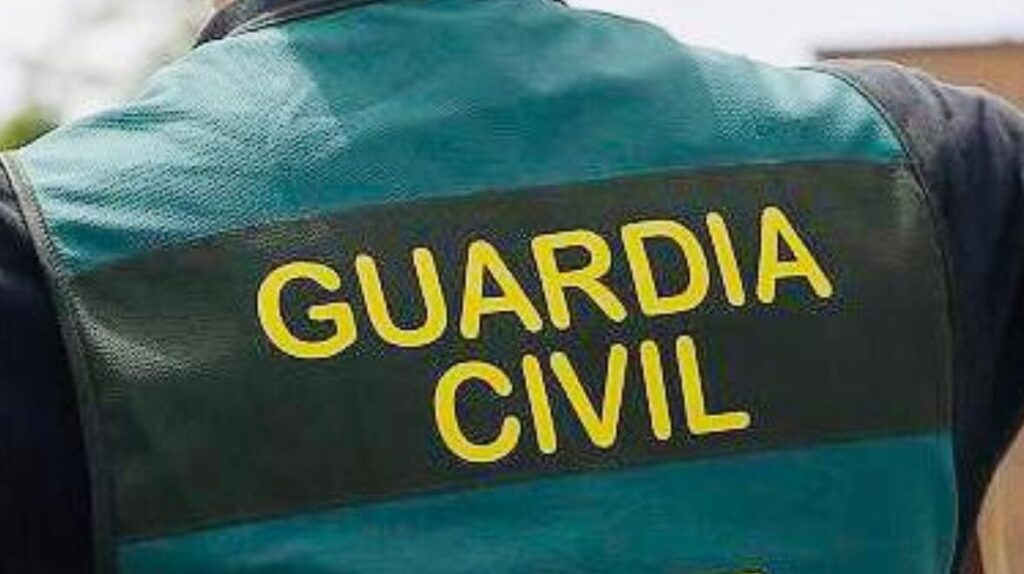
The operation involves, among others, Spain’s National Police, the Guardia Civil, regional security forces, emergency services and civil protection teams. Close coordination is intended to ensure that potential incidents can be managed not only at a local level, but also across different regions.
Large crowds expected at popular viewing locations
A solar eclipse traditionally attracts large numbers of visitors. Regions with low light pollution, clear skies and attractive landscapes could draw particularly large crowds.
Many visitors are already planning trips to remote areas, mountains or coastal locations in advance. As a result, some regions could experience an unusually high concentration of people within a short period of time.
Security authorities are therefore advising people to plan their journeys well in advance and to familiarise themselves with local conditions. It is particularly important to bring enough water, wear suitable clothing for the temperatures and follow official guidance.
Traffic and infrastructure also remain a key focus
Another key focus of the operation is the traffic situation. Particularly after the solar eclipse ends, authorities expect significant pressure on roads and transport networks as large numbers of visitors attempt to leave at the same time.
Authorities are expecting potential bottlenecks, particularly in rural areas, as roads and parking facilities there are often not designed to accommodate large numbers of visitors. Drivers are therefore being urged to plan their journeys carefully, consider alternative routes and only park vehicles in designated areas.
Public transport could also play an important role in reducing pressure on the roads and helping to ensure an orderly flow of visitors.
Safety when observing the solar eclipse
Alongside general safety measures, experts are also reminding people about the correct way to observe the astronomical event. Looking directly at the Sun without appropriate protection can cause serious eye damage.
Authorities therefore recommend using only certified eclipse glasses for solar observations. Ordinary sunglasses or improvised viewing methods do not provide sufficient protection and can be dangerous.
Parents in particular should ensure that children only observe the solar eclipse while using appropriate protective equipment.
Spain prepares for an extraordinary event
With 33,600 personnel deployed, Spain is demonstrating the significance of the solar eclipse for the country. Authorities want to ensure above all that traffic problems, overcrowded areas or security issues do not overshadow the rare natural phenomenon.
The extensive security plan is not a response to any specific threat, but rather a precautionary measure in view of the large-scale movement of people expected across the country.
For Spain, this marks the beginning of an extraordinary day in which science, tourism and security will come together in a unique way.