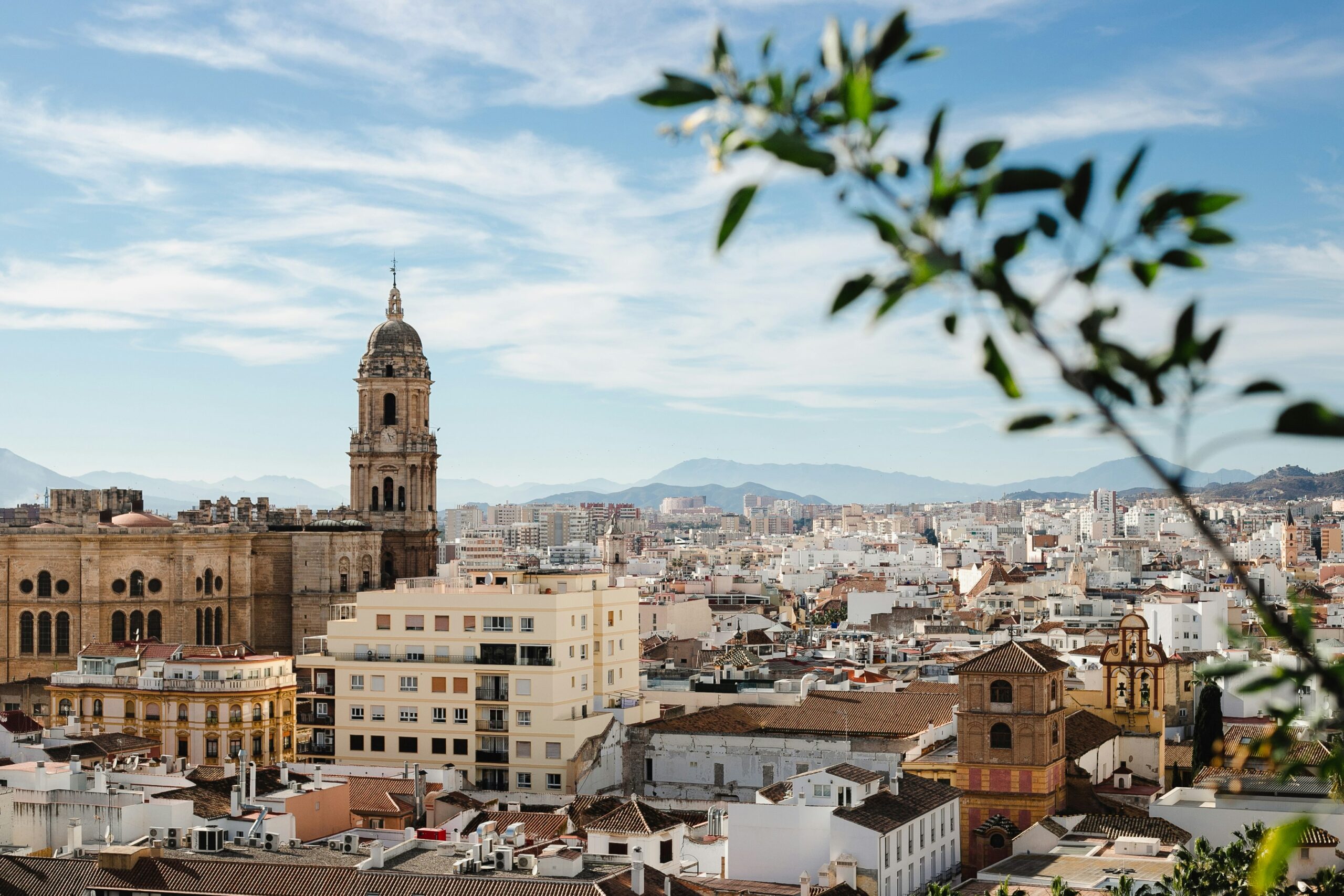
What would have been almost unthinkable just a few years ago has now become reality: the province on the Costa del Sol is now among the most expensive places to live in Spain. Only the Balearic Islands have higher rental costs. The trend highlights the immense pressure on the housing market in southern Spain and is fuelling the ongoing debate over affordable housing.
Spain Expat Press Editorial Team
by Marlon Gallego Bosbach
According to the latest figures from property and rental insurer ARRENTA SABSEG, the average monthly rent in the province of Málaga has now reached €1,232. This represents an increase of 12.7 per cent compared to the previous year. As a result, Málaga has overtaken Madrid, where the average monthly rent currently stands at €1,162. The Balearic Islands remain the most expensive region for tenants, with average monthly rents of €1,602.
Málaga is bucking the trend
What is particularly remarkable is that Málaga is moving in the opposite direction to the rest of Andalusia. While average rental prices across Andalusia as a whole have actually fallen slightly by 1.1 per cent, currently standing at around €922, prices in Málaga continue to rise unabated.
At national level, however, a different picture emerges. Across Spain, rents rose by an average of 4.8 per cent in the first third of 2026, reaching €1,019 per month. Experts are already speaking of a certain cooling in the market. Málaga, however, appears to have remained unaffected by this trend so far.
Why prices in Málaga are skyrocketing
The causes lie in a combination of several factors. The Costa del Sol has been one of Europe’s most popular regions for years. International buyers, digital nomads, retirees from Northern Europe, and remote workers are driving consistently high demand for housing.
At the same time, the province’s population continues to grow, while housing supply is failing to keep pace with this development. In addition, many properties have been converted into holiday rentals in recent years, further reducing the availability of long-term rental housing.
As early as 2024, thousands of people took to the streets in Málaga to protest against rising rents and the growing displacement of locals by tourist-driven uses of housing. At the time, civic groups pointed to the high number of registered holiday rentals and warned of a further worsening of the housing crisis.
Property prices are also continuing to rise
Not only rents in Málaga have been moving in one direction for years. Purchase prices for flats and houses are also at record levels. According to current market analyses, the average purchase price in the province now stands at over €3,100 per square metre. In popular locations such as Marbella, even significantly higher values are being reached.
Experts see little short-term relief. Although new housing projects are being developed, supply is growing far more slowly than demand. As a result, pressure on the market remains high.
What this means for residents
For many locals, living in Málaga is increasingly becoming a financial burden. Families, young professionals, and retirees are more and more often forced to move to cheaper outskirts or neighbouring towns. At the same time, it is becoming more difficult for businesses to attract skilled workers when housing costs take up an ever-larger share of income.
While other regions of Spain are showing the first signs of a cooling market, Málaga remains one of the most strained housing markets in the country. The latest figures underline that the Costa del Sol continues to be one of the major winners of the international property boom – but with noticeable consequences for many residents.
With its rise to second place among Spain’s most expensive rental provinces, Málaga has now clearly reached a new dimension. The question is no longer whether prices will continue to rise, but whether policymakers and the housing market can find timely solutions to keep the region affordable for its own residents.