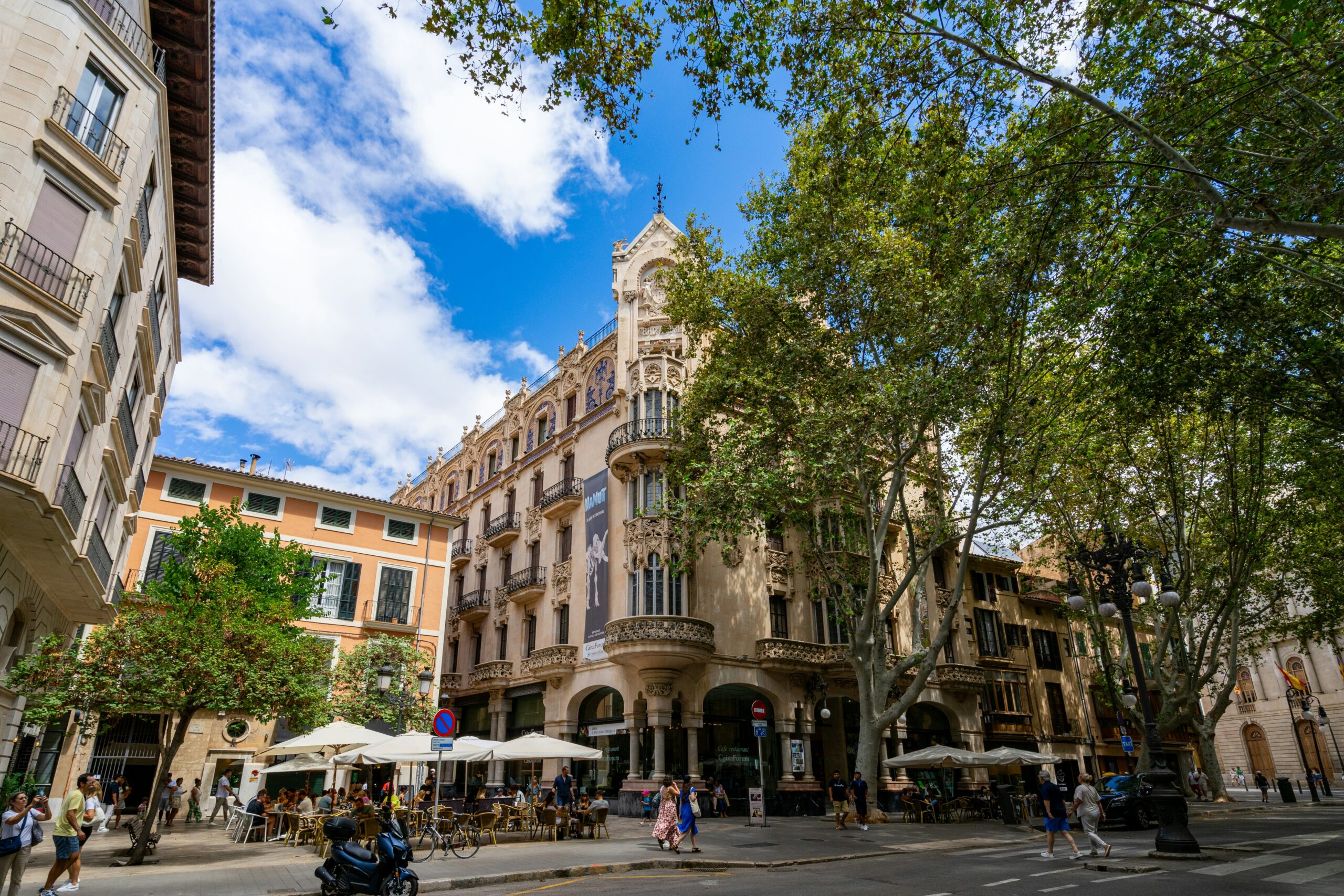
A strong wave of opposition to mass tourism is once again forming in Mallorca. A large-scale demonstration has been announced for 26 July in the island’s capital, Palma, aimed at protesting what organisers describe as the growing “overburdening of the island”. The protest movement is calling it a “historic mobilisation”, intended to send a clear message against the current direction of tourism development.
Spain Expat Press Editorial Team
by Marlon Gallego Bosbach
The demonstration is being organised by the initiative “Menys Turisme Més Vida” (Less Tourism, More Life), a coalition of various local groups that have been critically examining the impacts of mass tourism in the Balearic Islands for years.
Demonstration planned in the heart of Palma
The mass rally is scheduled to take place in Palma on 26 July 2026 at 7:00 p.m. Organisers are expecting a high turnout and have announced plans to symbolically “bring the city to a standstill” as part of the action.
Even ahead of the event, the demonstration is expected to attract attention well beyond local circles. In recent years, similar protests in Mallorca have regularly made headlines and sparked international debate about the limits of tourism.
Criticism of mass tourism continues to grow
Housing shortage as a central issue
The criticism is particularly evident when it comes to housing. According to the protest groups, the boom in holiday rentals is causing long-term housing for locals to become increasingly scarce and expensive.
Many residents are now being forced to move from central areas to more peripheral regions, or in some cases to leave the island altogether, according to the initiatives. Tourism is therefore increasingly becoming a social point of conflict.
Mallorca between economic engine and limits of capacity
At the same time, tourism remains one of the island’s most important economic sectors. Millions of visitors each year generate jobs in the hotel, restaurant and wider service industries. It is precisely this economic factor that makes any fundamental change to the system politically particularly difficult.
The current wave of protests therefore highlights the growing tension between economic dependence on tourism and the social and environmental limits of sustainability.
Escalation in summer cannot be ruled out
Looking ahead to the summer, observers expect the protests to potentially intensify further. In addition to the major demonstration in Palma, further smaller actions have already been announced, which are set to take place throughout the entire peak season.
The organisers describe this as a long-term struggle for a new tourism model in the Balearic Islands – moving away from pure growth towards greater regulation and stronger consideration of the local population.