Spain’s exceptionally hot summer of 2026 has taken a heavy human toll. According to the latest figures released by the Spanish Ministry of Health and the Mortality Monitoring System (MoMo), a total of 3,084 people died as a result of extreme heat between 1 May and 31 July. This represents more than double the number of heat-related deaths recorded during the same period last year.
Spain Expat Press Editorial Team
by Marlon Gallego Bosbach
While 1,480 heat-related deaths were recorded during the same period in the summer of 2025, the latest figures highlight the severe impact that this year’s exceptionally long and intense heatwaves have had on public health. July, in particular, became one of the deadliest months of recent years.
July records more than 2,000 heat-related deaths
The analysis by health authorities shows that the number of heat-related deaths increased significantly as the summer progressed. While relatively few heat-related fatalities were recorded in May, the figures rose sharply in June. By July, a total of 2,024 deaths were attributed to the exceptionally high temperatures.
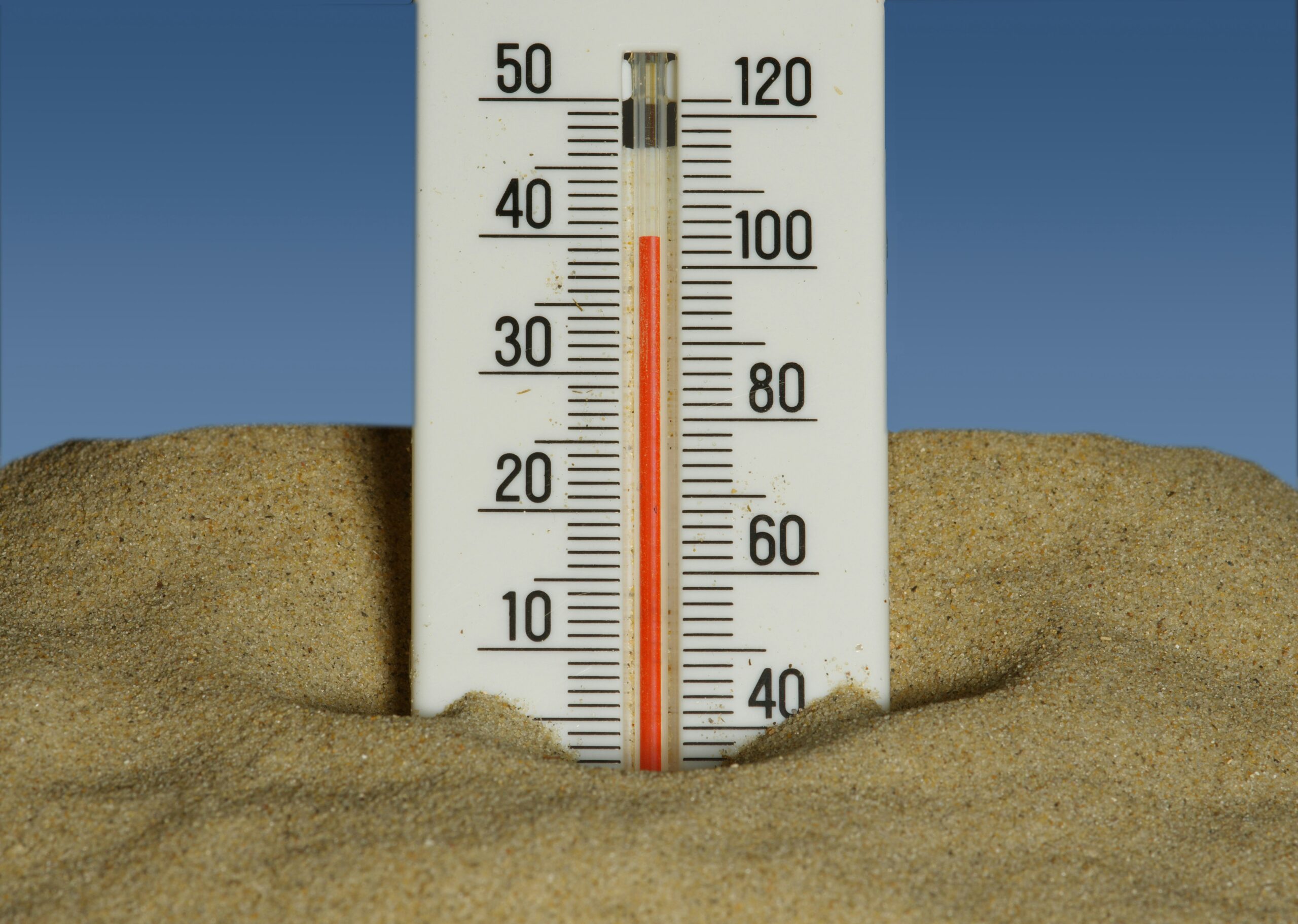
Experts attribute this development to a series of consecutive heatwaves that swept across large parts of Spain. In many areas, temperatures well above 40°C were recorded. This was compounded by unusually warm nights, with temperatures rarely falling below 25°C. As a result, the human body, particularly among older people and those with pre-existing health conditions, was unable to recover sufficiently from the daytime heat.
Older people among those most at risk
The statistics show that elderly people were particularly affected by the extreme weather conditions. Of the 3,084 heat-related deaths recorded in total, 3,015 involved people aged over 65. The number was especially high among those aged over 85.
Differences can also be seen between the sexes. According to official data, 1,860 women and 1,224 men died as a result of the extreme temperatures. Experts explain this partly by the fact that women make up a larger proportion of the elderly population.
These regions have been hit hardest
There are also significant regional differences. Catalonia was particularly hard hit, recording the highest number of heat-related deaths with 672 cases. It was followed by the Basque Country with 343 deaths and Andalusia with 335.
In the remaining autonomous communities, the figures were in some cases significantly lower. According to official data, no heat-related deaths were recorded in the Balearic Islands during the period analysed.
What does a “heat-related death” mean?
The published figures do not refer exclusively to people who died directly from heatstroke. Spain’s monitoring system calculates so-called heat-related or heat-attributable deaths using statistical models.
Extreme temperatures often worsen existing conditions such as cardiovascular diseases, respiratory illnesses and kidney problems. Older people and those with chronic health conditions are particularly vulnerable to prolonged periods of heat. As a result, mortality rates rise significantly during heatwaves.
Climate change prolongs Spain’s heat season
Meteorologists have observed for years that heatwaves in Spain are not only becoming more intense but are also starting earlier and lasting longer. In many parts of the country, exceptionally high temperatures were already recorded at the end of May this year. June was among the hottest months since weather records began, before another heatwave swept across numerous regions in July.
Alongside the extreme heat, Spain is also facing an increased risk of wildfires this summer. Dry soils, prolonged drought conditions and strong winds are contributing to the spread of fires in several regions across the country.
Already among Spain’s deadliest summers
Although August has only just begun, the summer of 2026 is already among the most devastating heatwaves of recent years. The 3,084 heat-related deaths recorded so far are already approaching the totals seen during previous record-breaking summers. If high temperatures continue throughout August, this summer could become one of the deadliest heat seasons since systematic monitoring began.
Spanish health authorities are therefore urging older people, those with chronic illnesses and their families to pay close attention to official heat warnings, stay well hydrated, avoid physical exertion during the hottest hours of the day and regularly check on those who are particularly vulnerable.