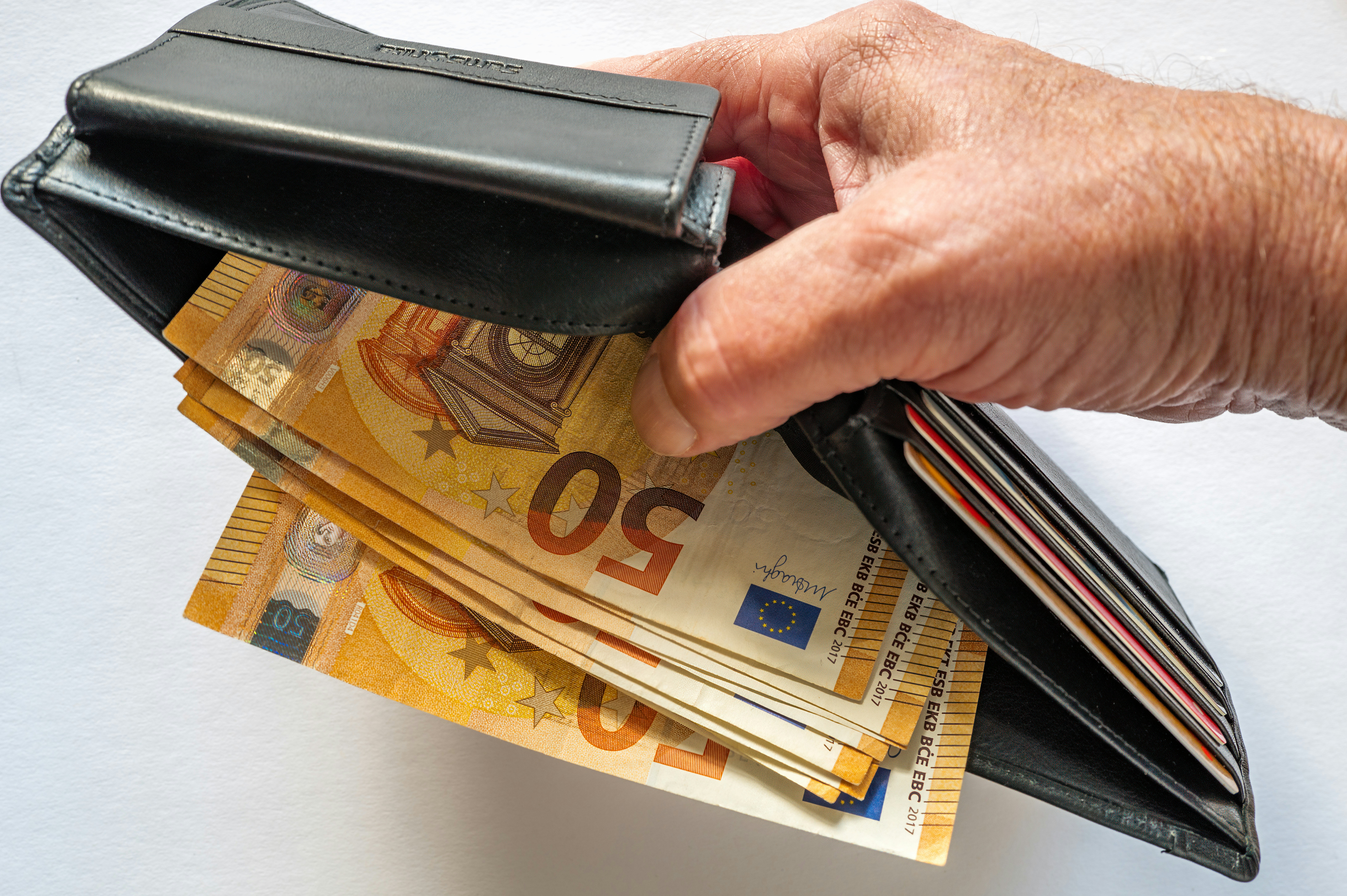
The Spanish trade unions UGT and CCOO are calling for a minimum wage increase of at least seven percent for 2027. This would raise the monthly gross salary – based on 14 annual payments – to approximately 1,306 euros. The unions base their demand primarily on inflation and the ongoing loss of purchasing power. The final decision regarding the minimum wage level rests with the Spanish government.
Spain Expat Press Editorial Team
by Marlon Gallego Bosbach
Currently, the Spanish minimum wage (Salario Mínimo Interprofesional, SMI) stands at a gross monthly figure of 1,221 euros, paid out in 14 installments. This equates to an annual gross income of 17,094 euros. If the increase demanded by the trade unions were implemented, the annual total would rise to approximately 18,290 euros. For employees earning the minimum wage, this would represent an increase of just under 1,200 euros in gross annual income.
Unions aim to safeguard purchasing power
The UGT and CCOO consider a significant increase necessary to align the incomes of low-wage workers with the rising cost of living. In their view, the wage increases to date are insufficient to fully offset the impact of inflation.
In addition to the prices of food, energy, and other goods, high housing costs in particular are placing a burden on many households. Trade unions therefore argue that wages must rise more sharply so that employees can maintain their purchasing power despite increasing expenses.
With the demanded increase of at least seven percent, the monthly gross minimum wage would rise by around 85 euros compared to the current level. The extent to which this increase actually affects disposable income depends, among other things, on social security contributions and tax treatment.
Government preparing decision for 2027
The Spanish government must now decide on the future level of the minimum wage. Minister of Labour and Second Deputy Prime Minister Yolanda Díaz has tasked a commission of experts with drafting a recommendation for the adjustment for the coming year.
The assessment is to take into account not only inflation but also economic trends and the wage situation. It is also guided by the goal of raising the minimum wage to 60 percent of the average national wage in the long term; this benchmark is linked to the European Social Charter.
The expert commission’s recommendation is not binding on the government. The executive branch makes the final decision regarding the level of the minimum wage. The new rate is set to take effect on January 1, 2027. Consequently, trade unions are pushing for a prompt decision.
Employers’ associations face further negotiations
The demand made by the UGT and CCOO is also likely to influence discussions with employers’ associations. Business organizations CEOE and Cepyme have repeatedly expressed criticism regarding minimum wage increases in the past, particularly when these were not negotiated jointly with the social partners.
The decision is not solely about the level of monthly income. Trends in the minimum wage also affect business costs, particularly in sectors with a high proportion of low-wage workers. The government must therefore take various economic factors into account.
It remains unclear whether the requested seven percent will actually be implemented. The level of Spain’s statutory minimum wage for the coming year will only be determined following the expert commission’s recommendation and the government’s subsequent decision.
Wages and housing costs as key issues
The call for a higher minimum wage is part of a broader package of demands from the trade unions. In addition to higher incomes, the UGT and CCOO are advocating for better working conditions and measures to address rising housing costs.
These issues are also expected to play a central role in the protests announced for November 11 under the slogan “Salarios, vivienda, precios” – wages, housing, and prices. Through these protests, the unions aim to draw attention to the financial strain facing many households.
From their perspective, higher wages can only contribute to a lasting improvement in living conditions if trends in housing and living costs are also taken into account. It remains to be seen whether the government will take further measures alongside an adjustment to the minimum wage.