Spain Press Editorial Team
Middle East tensions push fuel prices higher
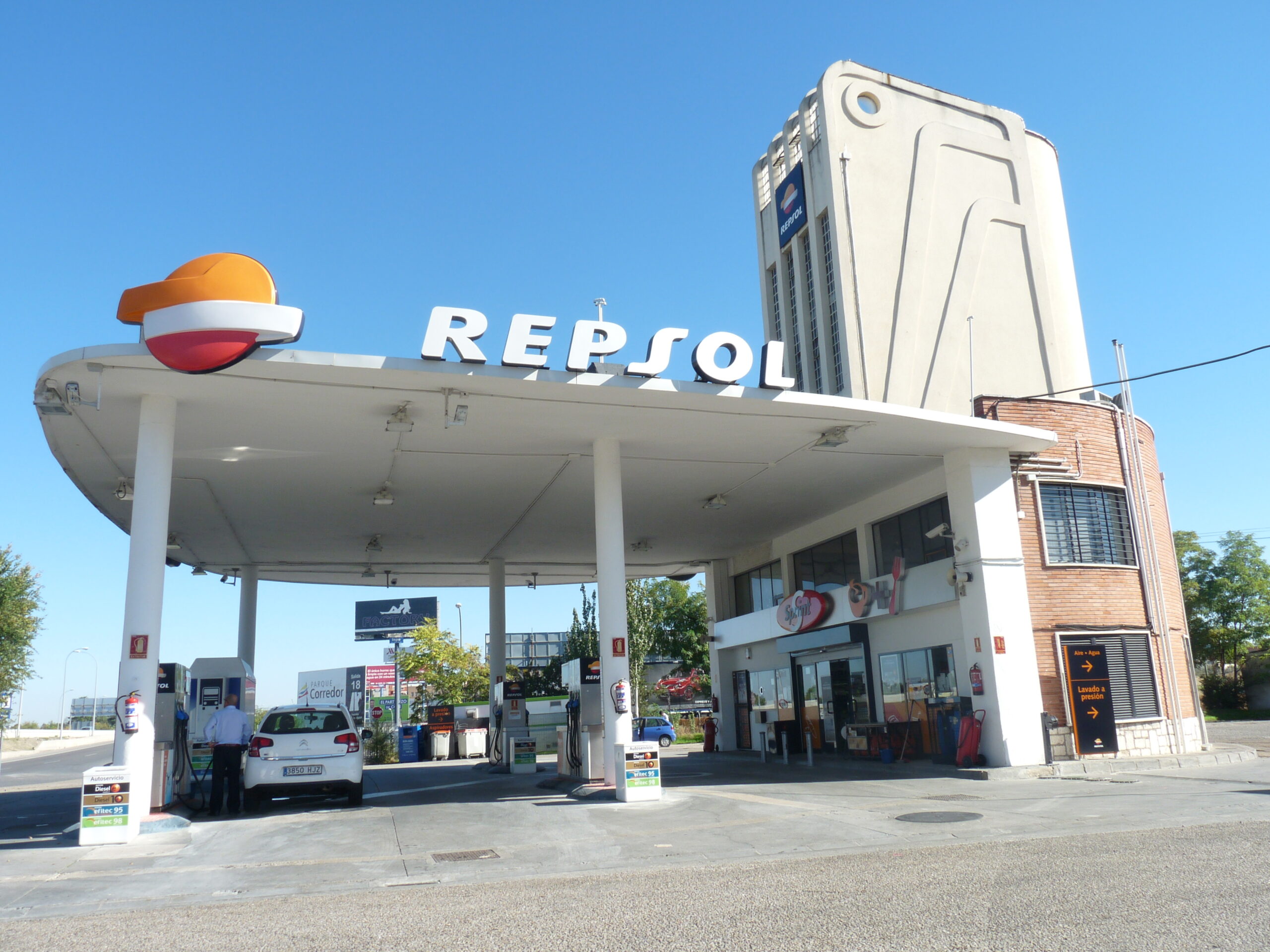
Rising tensions in the Middle East are now beginning to have a visible impact at petrol stations across Spain. In several parts of the country, more than 100 filling stations have already crossed the threshold of €2 per litre for at least one type of fuel. For many motorists, it is another reminder of how quickly international conflicts can translate into higher everyday costs.
The price surge is largely linked to the growing confrontation involving the United States, Israel and Iran, as well as the disruption around the Strait of Hormuz, one of the world’s most strategic oil transport routes. As a result, the price of crude oil has once again approached $100 per barrel, pushing fuel costs higher across Europe.
Diesel sees the sharpest increase
In Spain, diesel has experienced the steepest rise in recent days, climbing by around 15 per cent in just one week. Petrol has also increased, though more moderately, with prices rising by roughly 7.7 per cent.
Among petrol grades, 98-octane fuel has been the most affected, with many service stations already charging more than €2 per litre. For drivers across the country, filling up the tank is once again becoming noticeably more expensive.
Europe’s dependency on diesel imports
Energy analysts point out that Europe remains highly dependent on diesel imports, making the fuel particularly sensitive to geopolitical tensions and disruptions in global supply chains. A similar pattern was already seen during the war between Russia and Ukraine, when diesel prices across Europe rose sharply.
How drivers can avoid the most expensive stations
For motorists looking to save money at the pump, Spain offers a public price comparison tool. Through the government-run Geoportal de Gasolineras, drivers can check fuel prices at thousands of service stations across the country in near real time.
Petrol stations are required to report any price changes, meaning the data is updated approximately every five minutes. Users can search by province, town or postcode, and filter by the type of fuel they need.
At a time of growing geopolitical uncertainty and volatile energy markets, tools such as this are becoming increasingly valuable for drivers seeking to identify the cheapest nearby petrol stations – and avoid the most expensive ones.