Spain is widely regarded as one of the safest countries in Europe. Every year millions of tourists visit cities such as Barcelona, Madrid or Seville without encountering any serious safety issues. Nevertheless, as in any large country, there are certain urban districts that regularly appear in police reports and media coverage due to higher crime rates than the national average.
Spain Press Editorial Team
Historic social challenges shape many of these districts
Many of the neighbourhoods frequently mentioned in crime reports were built during the 1960s and 1970s as social housing areas for families with very limited economic resources. For decades they were home mainly to low-income Spanish families as well as long-established Roma communities.In more recent years, these districts have also received new residents from various African and Latin American countries. This has created additional integration challenges, particularly in areas that were already facing long-standing social and economic difficulties.
Social programmes are trying to improve the situation
In recent years, social workers, educators and healthcare initiatives have been increasingly active in many of these areas. Educational programmes, youth projects and neighbourhood associations aim to provide better opportunities and help break cycles of poverty.Some improvements have been visible, but experts agree that solving decades of structural inequality takes time and requires long-term commitment from both authorities and local communities.
Drug trafficking and illegal cannabis plantations
One of the most persistent problems in several of these districts is drug trafficking. For certain criminal networks, the illegal drug trade represents a significant source of income.Authorities have also uncovered illegal cannabis plantations inside residential buildings. These operations require large amounts of electricity, which often leads to overloaded power grids and frequent power cuts affecting entire blocks or streets.
Police presence and regular raids
Because of these challenges, Spanish law enforcement agencies maintain a regular presence in many of these areas. Both the National Police and the Guardia Civil carry out periodic operations and raids aimed at dismantling criminal networks and tackling drug trafficking.These operations often result in arrests and the seizure of drugs or illegal weapons. However, authorities acknowledge that policing alone cannot solve the deeper social problems affecting these neighbourhoods.
El Raval (Barcelona)
Located in the heart of Barcelona, El Raval is one of the most frequently mentioned neighbourhoods when discussing urban crime in Spain. The combination of dense residential areas, heavy tourism and vibrant nightlife contributes to relatively high levels of pickpocketing, theft and occasional violent incidents.
Despite these issues, the district is also known for its multicultural atmosphere, cultural venues and busy street life.
La Mina (Sant Adrià del Besòs)
Just outside Barcelona lies La Mina, a neighbourhood that has long been associated with social deprivation and high unemployment. The area regularly appears in police reports due to drug trafficking and property-related crimes.Over the years, urban renewal projects and social initiatives have attempted to improve living conditions, but challenges remain.
El Puche (Almería)
In southern Spain, the neighbourhood of El Puche in Almería is often cited in discussions about marginalised urban areas. Street violence, theft and drug-related crime are among the most frequently reported incidents.
Local authorities have implemented improvement programmes, but the district still faces significant social difficulties.
„Las Tres Mil Viviendas“ (Sevilla)
The Polígono Sur, widely known as Las Tres Mil Viviendas, is perhaps one of Spain’s most famous troubled neighbourhoods. For decades it has been associated with drug trafficking and organised crime.
Numerous social programmes have been introduced to improve education, employment opportunities and infrastructure, but the area continues to struggle with entrenched problems.
Los Pajaritos (Sevilla)
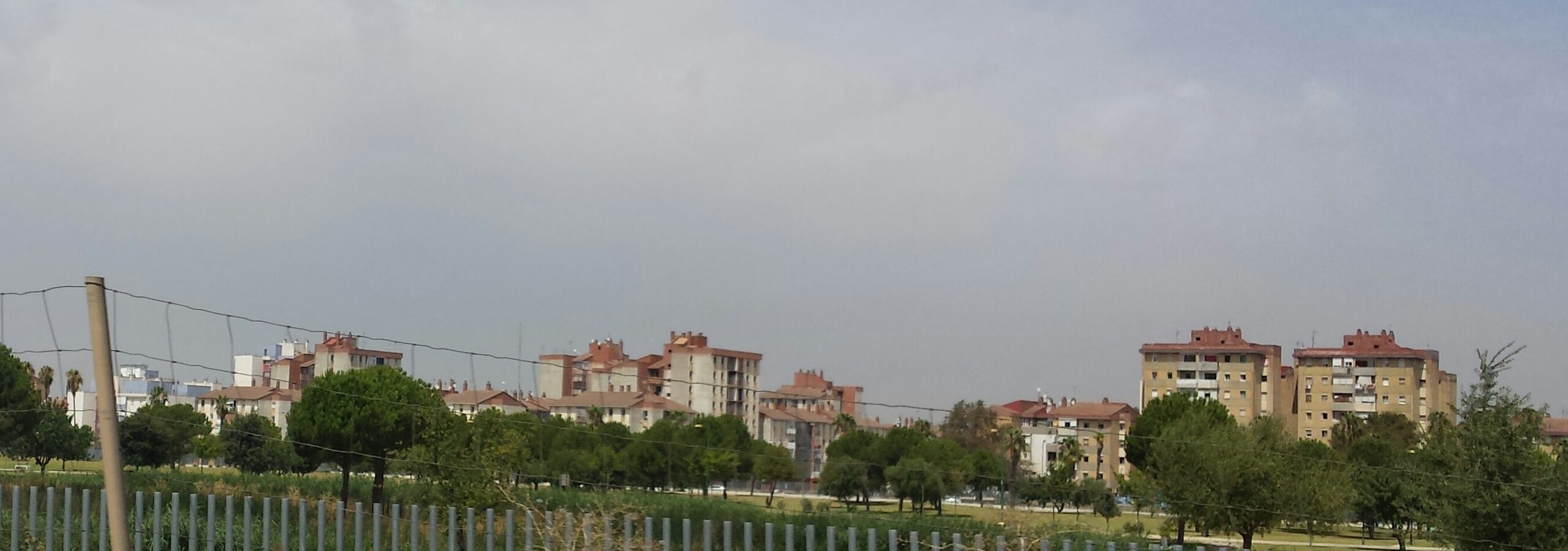
Also located in Seville, Los Pajaritos has long been considered one of the poorest neighbourhoods in Spain. Economic hardship and limited job opportunities have contributed to higher levels of theft, robbery and drug-related crime.
Efforts are underway to improve social services and opportunities for younger residents.
El Príncipe (Ceuta)
The district of El Príncipe in the Spanish enclave of Ceuta frequently appears in security reports. In addition to common crimes, authorities have identified activity linked to drug smuggling networks and organised crime groups. Its proximity to the Moroccan border adds a further layer of complexity to the security situation.
El Cabañal (Valencia)
El Cabañal, a historic seaside district of Valencia, has undergone significant transformation in recent years. Urban renewal projects and new investments have improved parts of the neighbourhood.
Nevertheless, some areas still experience higher levels of theft and social tensions compared with other parts of the city.
Cañada Real (Madrid)
On the outskirts of Madrid lies Cañada Real, one of the largest ilegal settlements in Europe. The area has long been associated with poverty, limited infrastructure and drug trafficking.
Authorities have launched several plans to relocate residents and improve conditions, but the process remains complex.
Distrito Sur (Córdoba)
In the city of Córdoba, the Distrito Sur is often mentioned in reports about social exclusion. High unemployment and economic hardship contribute to increased levels of theft and drug-related offences.
Local authorities and community organisations continue to work on programmes aimed at improving living conditions and opportunities.
San Cristóbal (Madrid)
San Cristóbal, located in Madrid’s Villaverde district, has also faced long-standing social and economic challenges. While many residents lead ordinary lives, the neighbourhood experiences relatively frequent petty crime and occasional drug-related activity.
Community initiatives and public investment seek to address these issues and strengthen the social fabric of the area.
Overall, Spain remains a safe country by international standards. However, certain neighbourhoods continue to face serious social and economic challenges. Addressing these issues requires not only policing, but also long-term investment in education, employment opportunities and community development.