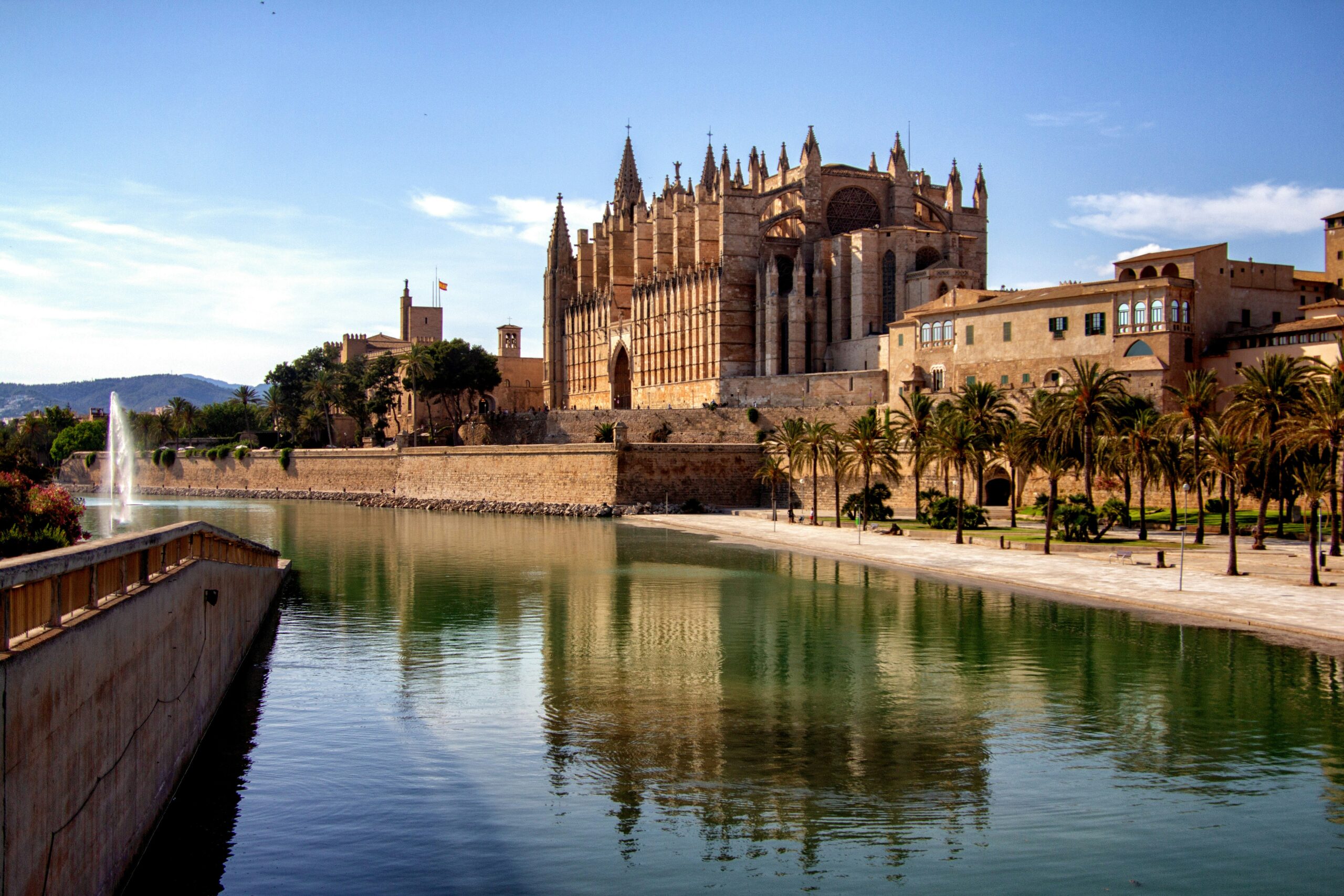
Mallorca and Ibiza have long been seen as the ultimate escape for those dreaming of a new life in the sun – a place where the sea is always close, the pace feels slower and everyday life seems lighter. For many, moving to the Balearic Islands was more than a relocation; it was a complete reset.
But conversations among long-term residents are beginning to sound different. Increasingly, the question is no longer whether to stay, but where to go next.
Spain Expat Press Editorial Team
And more often than not, the answer is the Spanish mainland.
What is emerging is not a sudden exodus, but a quiet shift. Many expats who moved to the islands years ago are now actively looking for alternatives elsewhere in Spain. They are not necessarily returning to their home countries – instead, they are searching for a place that offers a better balance between quality of life and day-to-day reality.
Rising living costs are, of course, part of the story. Rental prices have surged, property values have reached record highs, and long-term housing has become increasingly difficult to secure. Yet focusing solely on prices misses a much broader change.
For many residents, the real issue is that the islands have lost their natural rhythm.
There was once a clear distinction between high season and the quieter months that followed – a time when the islands belonged once again to those who lived there. That sense of pause has largely disappeared.
Today, the Balearic Islands operate as a year-round destination. If it is not beach tourism, it is golf. If not golf, then cycling groups. Add to that weekend visitors, events, stag parties and school trips, and the result is a constant flow of people throughout the year.
In a place with limited space, this has a very tangible impact. Roads remain busy, towns rarely feel empty, and the infrastructure is under continuous pressure. What is often presented as “year-round appeal” translates, for many residents, into a permanent state of activity.
The scale of this shift is reflected in the numbers. The Balearic Islands now attract around 19 million visitors a year, despite having fewer than one million inhabitants. It is an imbalance that is no longer abstract – it is part of everyday life. Unsurprisingly, this has also begun to affect the social atmosphere. Surveys suggest that a large majority of locals believe the islands are receiving too many visitors. While tensions are rarely overt, many expats say the mood has changed in subtle but noticeable ways.
For some, that shift is enough to prompt a reassessment.
Rather than leaving Spain altogether, many are choosing to relocate within it. The mainland offers what the islands increasingly struggle to provide: more space, more stable infrastructure and a pace of life that feels less dominated by constant demand.
On the mainland, there is also a very different sense of openness – of expansion, both physically and mentally. It is a feeling many expats say they had lost on the islands. And increasingly, they are acting on it.
Many are now actively seeking quieter locations, often in rural or semi-rural areas, where life moves at a more natural rhythm. In these parts of Spain, property prices still remain comparatively attractive when set against the Balearic Islands – although even here, there are clear signs that this is beginning to change.
For now, however, the contrast is still significant enough to make the move worthwhile. And for a growing number of expatriates, the mainland is no longer just an alternative – it is becoming the next logical chapter.