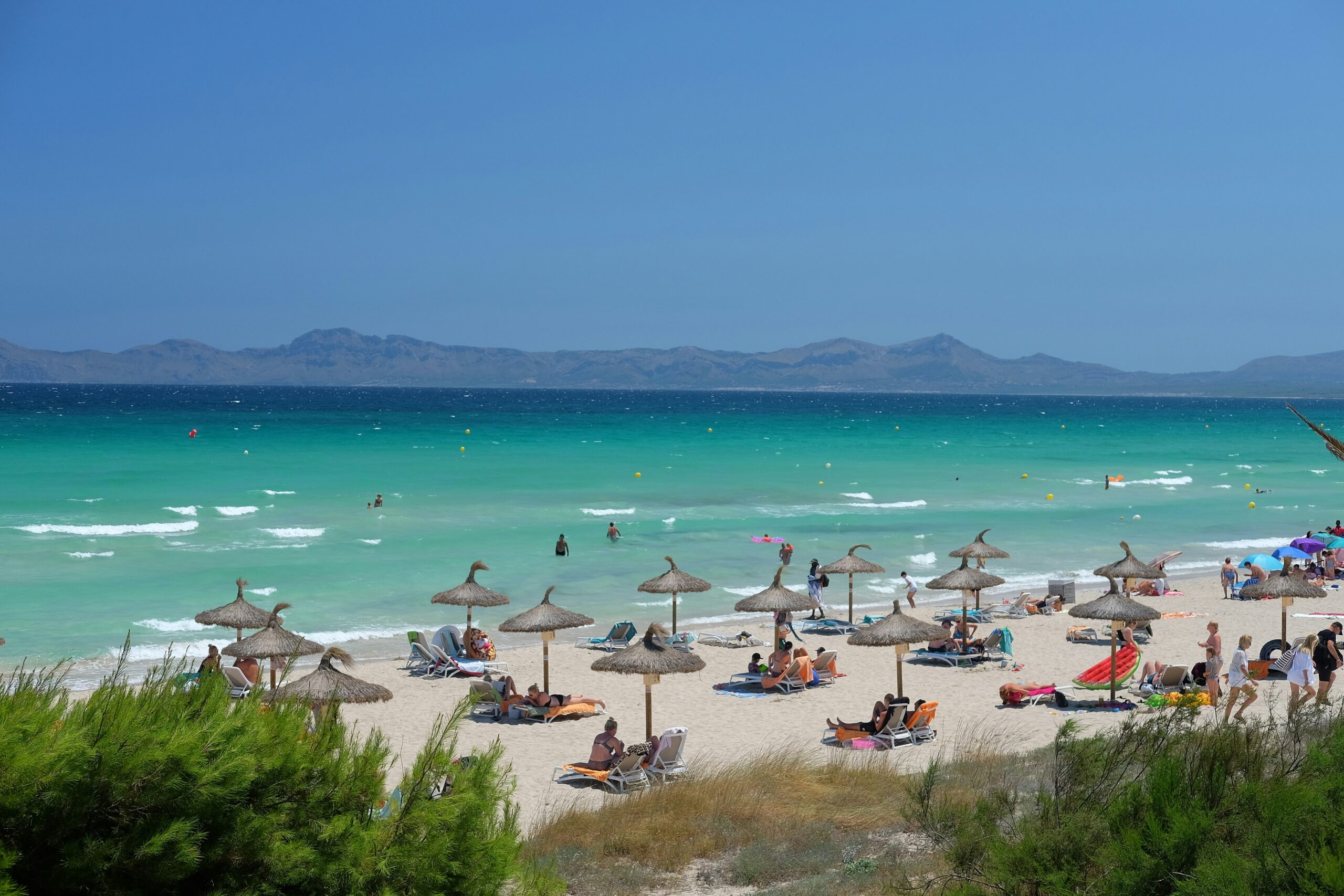
Spain appears to be on the brink of a historic shift in international tourism. According to a new study by Deloitte and Google, the country could surpass France as the world’s most visited destination by 2040. Forecasts suggest that around 110 million international visitors per year could travel to Spain by then – more than to France. Today, Spain already ranks among the global heavyweights of the travel industry. While France was still just ahead of Spain in 2024, Spain’s tourism sector is growing significantly faster – both in terms of visitor numbers and revenue.
Spain Expat Press Editorial Team
by Marlon Gallego Bosbach
Spain Is Growing Faster Than France
The joint “NextGen Travellers and Destinations” analysis by Deloitte and Google estimates that Spain will welcome around 110 million international tourists per year by 2040. France is expected to reach about 105 million visitors over the same period. This would mean Spain would become the world’s number one tourism destination for the first time.
What is particularly notable is that Spain is already approaching this milestone at a rapid pace. According to official figures, the country welcomed nearly 97 million international visitors in 2025. At the same time, tourism revenues rose to around 135 billion euros, reaching a new record level. France remains the most visited country in the world for now, but Spain is steadily catching up. Experts point to several reasons for this trend.
Sun, Infrastructure and Security as Success Factors
Spain benefits above all from a combination of climate, modern infrastructure and high levels of safety. More than 300 days of sunshine per year, long summers and relatively mild winters make the country particularly attractive for holidaymakers from Northern and Central Europe. In addition, Spain offers modern airports, one of Europe’s largest high-speed rail networks, as well as significant investment in hotels, digitalisation and sustainable tourism.
Regions such as Andalusia, Valencia, Madrid and the Canary Islands are benefiting most from the ongoing boom. However, lesser-known areas like Galicia, Asturias and Navarra are also gaining importance, as more and more holidaymakers actively look for alternatives to the traditional beach holiday. Spain is not only attractive for its sun and sea, but also stands out for its culture, gastronomy, nature and city breaks.
Tourists are Now Spending More Money in Spain Than Before
While France still attracts slightly more visitors, Spain is now clearly ahead in terms of revenue. International tourists spend more on average per stay in Spain than in France. This is partly due to longer stays, a growing luxury tourism segment, as well as high-quality hotels and restaurants. Experience-based and quality tourism is also playing an increasingly important role.
According to the Spanish Ministry of Tourism, average spending per international visitor recently exceeded 1,400 euros per trip. In particular, premium destinations such as Ibiza, Marbella, and certain areas of Mallorca are benefiting from this trend.
Germany Remains One of the Most Important Markets
Germany continues to be a particularly important market for Spain. It remains one of the largest source countries for international visitors to Spain. In 2025 alone, around twelve million German tourists travelled to Spain, generating billions in revenue. Alongside Germany, visitors from the United Kingdom, France and the United States are driving growth. At the same time, emerging markets such as China and India are becoming increasingly important.
Experts expect that the growing global middle class will significantly expand the worldwide travel market by 2040. In total, there could then be around 2.4 billion international trips per year globally.
The Downsides of this Success are also Becoming More Significant
However, the tourism boom does not only bring benefits. In many Spanish cities, resistance to mass tourism and rising living costs is growing. In particular, residents in Barcelona, Mallorca, Málaga and parts of the Canary Islands are complaining about soaring rents, overcrowded city centres and increasing pressure from holiday rentals.
In several regions, there have been protests against overtourism in recent months. Many residents accuse politicians of prioritising the economic benefits of tourism over the quality of life of the local population. In particular, holiday rental platforms are increasingly coming under criticism.
The Spanish government is therefore increasingly focusing on sustainable tourism. The new Tourism Strategy 2030 aims to better balance growth and quality of life. Plans include stricter regulations for holiday rentals, investment in sustainable infrastructure, as well as measures to protect the housing market and improve the distribution of visitor flows.
The Mediterranean Region Remains a Global Winner
The Deloitte study also shows that global tourism is expected to become increasingly concentrated in a small number of regions. In the long term, the Mediterranean is likely to be one of the biggest winners. In addition, Southeast Asia, the Middle East and the Caribbean are also identified as key growth regions.
Almost half of all international travellers are expected to be concentrated in these regions in the future. Spain is likely to play a central role due to its location, infrastructure and tourism diversity, and could therefore potentially overtake France as the world’s most popular travel destination in the coming years.