Spain is experiencing an unusually early and intense start to the wildfire season this year. According to current data from the Spanish Ministry for the Environment, significantly more land has already been destroyed by fires in the first months of 2026 than in the same period last year. Particularly notable is the fact that the affected area has more than doubled – a clear warning sign for the coming summer months.
Spain Expat Press Editorial Team
by Marlon Gallego Bosbach
More than 160 square kilometres of land already burned
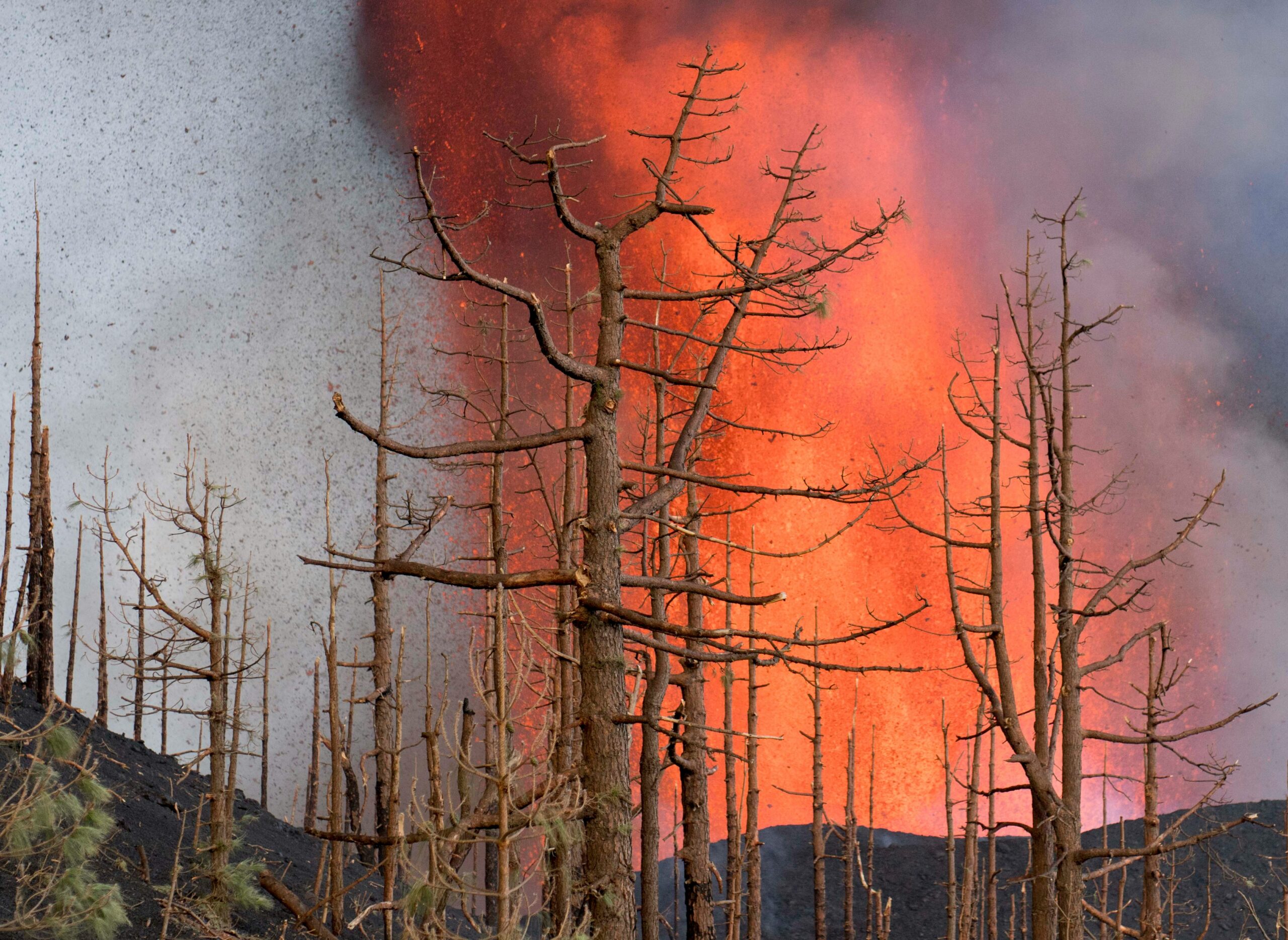
According to official figures, around 163.3 square kilometres of land had been destroyed by wildfires by spring 2026. Compared with the same period the previous year, this represents more than double the amount. In total, more than 2,600 individual fire incidents were also recorded. While most of these remained small and were quickly brought under control, there were also several larger fires that destroyed several square kilometres of vegetation each.
The north-west of the country is particularly affected, accounting for a large share of the fires as well as more than half of the total burned area. These regions are traditionally considered vulnerable to vegetation fires, but the current development is causing growing concern among the authorities.
Early start of the wildfire season raises alarm
What is particularly notable is the very early start of this year’s wildfire season. While the most intense fire periods in Spain normally occur during the summer months, current data already shows above-average activity in spring.
Although the total burned area is still below the average of the past ten years, the speed of the development is being regarded as concerning. Experts are particularly warning that the season is becoming increasingly prolonged and that wildfires are occurring earlier in the year than they did just a few decades ago.
North-west particularly affected
The geographical distribution of the fires shows clear differences within the country. While some regions are comparatively less affected, fire activity is heavily concentrated in north-western Spain. In this area, dry vegetation, rural structures and climatic conditions combine in particularly unfavourable ways.
The combination of warm temperatures, long dry spells, and vegetation that has been heavily dried out by previous weather conditions is considered a key factor in the current development.
Climate change as a background factor
Experts see the increasing intensity and earlier onset of the wildfire season in connection with climatic changes in Southern Europe. Higher average temperatures, longer dry periods, and more frequent extreme weather events are leading to worsening conditions for vegetation fires in many regions.
Spain is particularly affected, as large parts of the country are already regularly impacted by heatwaves and water shortages. This development therefore fits into a longer-term trend that is also being observed in other Mediterranean regions.
Not a record year yet – but clear warning signs
Despite the sharp increase in fires, 2026 is still below the peak levels of previous record seasons so far. The total burned area remains below the average of the past ten years. Nevertheless, authorities are treating the current development as a serious warning sign.
The combination of an earlier start, a higher frequency of small fires, and regional hotspots could indicate that the coming summer months may be particularly critical. In particular, the fact that the season appears to be shifting further into spring is drawing additional attention from the relevant authorities.
A growing problem in the Mediterranean region
Not only Spain, but the entire Mediterranean region is increasingly facing similar challenges. Longer dry periods and rising temperatures are causing wildfire seasons in countries such as Portugal, France, Italy and Greece to start earlier and last longer.
Spain is among the countries most affected – both due to its geographical location and because of its large forest and vegetation areas, which are particularly vulnerable during hot summer months.
The coming months will be crucial in determining how the 2026 wildfire season develops. If the current trend continues, the summer months could once again become a major challenge for emergency services, the environment and the population. Authorities are therefore already calling for increased caution and stressing the importance of prevention and rapid response to initial fire outbreaks.