Sun, sea, and a few days of relaxation by the coast have been a fixed part of summer for many families in Spain for decades. However, in 2026 the situation looks markedly different for numerous households. While hotels and holiday resorts along the coast are hoping for a successful season and international visitors continue to travel to Spain in large numbers, many Spaniards are being forced to reconsider their own holiday plans. For an increasing number of families, a trip during the summer months is no longer a given, but a financial challenge.
Spain Expat Press Editorial Team
by Marlon Gallego Bosbach
Recent studies show that persistently high living costs are consuming an ever larger share of monthly incomes. In particular, families on middle and lower incomes are being forced to scrutinise their spending more closely. As the costs of housing, food, energy, and transport have risen noticeably in recent years, there is often less money left for leisure and recreation. Many households are responding by shortening their holidays, choosing cheaper destinations, or forgoing travel altogether.
Holidays are no longer a top priority
Spain’s economic development is generally assessed positively by many experts. Nevertheless, everyday life tells a different story for many people. Although employment and economic growth have remained stable in several sectors, numerous families feel that their disposable income is no longer sufficient to maintain the same standard of living as just a few years ago.
This is particularly evident when it comes to holiday planning. For many households, the summer holiday has now become one of the first expenses to be reduced in times of financial pressure. Instead of two weeks by the sea, only a few days are booked; some families opt for trips closer to home, while others give up holidays outside their place of residence altogether.
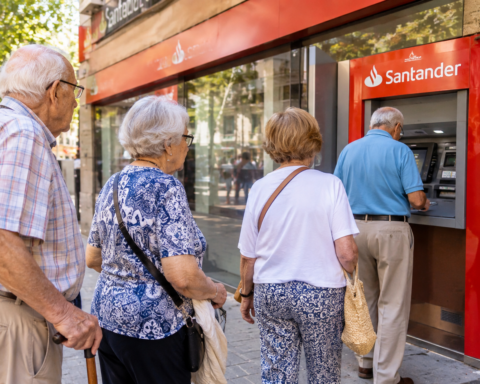
Older people are also feeling the impact. Many pensioners are having to postpone their travel plans due to rising everyday living costs. Families with children are likewise under pressure, as the costs of accommodation, food, and transport in popular holiday destinations have increased significantly.
Inflation affects both everyday life and leisure in equal measure
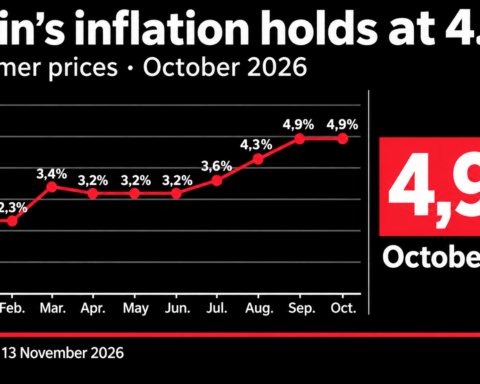
Although inflation is now below the peak levels seen in previous years, the effects of price increases are still clearly felt by many consumers. Numerous everyday goods and services cost significantly more than they did just a few years ago. This development has led many households to reorganise their spending.
In particular, higher prices for food, energy, and housing are placing significant pressure on household budgets. On top of this, costs for insurance, fuel, and public transport are also rising. Even people with a steady income are increasingly reporting that there is less money left at the end of the month for leisure activities and travel. As a result, holidays are no longer seen by many as a fixed part of the year, but rather as an expense that is only possible when sufficient financial reserves are available.
Domestic tourism under pressure
The changing travel habits could also have economic consequences. While Spain continues to benefit from strong demand from international holidaymakers, concerns are growing that domestic tourism could lose importance. Spanish travellers in particular play a key role for many regions, especially outside the traditional tourist centres.
Small coastal towns and rural communities in particular rely heavily on domestic visitors. If people travel less frequently due to financial constraints, this can have a direct impact on the income of local businesses. Hotels, holiday rentals, restaurants, and numerous service providers generate a significant share of their revenue from Spanish holidaymakers. If these visitors stay away, some businesses could already feel the effects during the current season.
New travel strategies
Despite the strained financial situation, many people do not want to give up taking a break entirely. Instead, they are adapting their travel habits to the new economic conditions. Travel experts are observing that short breaks are becoming increasingly popular. Rather than longer stays, many families are opting for just a few days by the sea or in the mountains.
In addition, demand is growing for more affordable accommodation and offers outside the peak season. Some families are deliberately travelling to lesser-known regions to save costs. Others spend their holidays with friends or relatives. So-called “staycations” are also gaining importance, with people forgoing longer trips and instead using their time off for day trips within their own region.
Tourism boom and financial concerns – a contradiction
The current development highlights a striking contrast within Spain’s tourism sector. On the one hand, the country continues to record high numbers of international visitors and remains one of Europe’s most popular travel destinations. On the other hand, it is becoming increasingly difficult for many Spaniards to afford the same kind of holiday that millions of international tourists enjoy in the country each year.
In popular holiday regions such as the Costa del Sol, the Balearic Islands, and the Canary Islands, rising prices for accommodation and services have made holidays significantly more expensive for locals. While visitors from other European countries often benefit from higher purchasing power, Spanish households are coming under greater pressure due to increased living costs.
Summer 2026 becomes a key indicator
The coming months will show how strongly financial pressure is actually affecting Spaniards’ travel behaviour. However, there are already many indications that the summer holiday no longer holds the same importance for numerous families as it once did. What was long considered a fixed part of the year is increasingly becoming an expense that must be carefully planned – or is being abandoned altogether.
Summer 2026 could therefore stand as an example of a development that many people in Spain have already been experiencing for years. Despite positive economic data and a strong tourism sector, the economic upswing is not being felt equally by all citizens. For many families, the desire for a break remains, but rising costs are placing ever tighter limits on that aspiration.