Demonstrations have spread to more than 50 towns and cities across Spain, while the protest camp in Madrid’s Puerta del Sol continues to grow. The rejection of two housing decrees in parliament has intensified a crisis that is becoming increasingly difficult for Pedro Sánchez’s government to contain.
Spain Expat Press Editorial Team
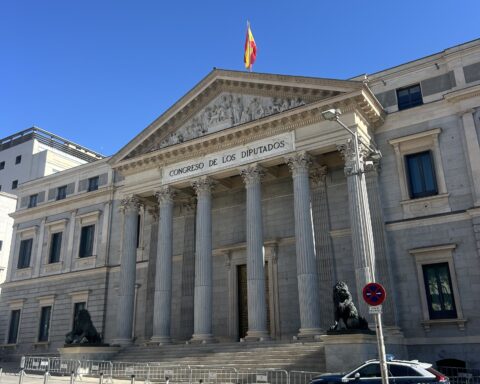
Spain is facing a fresh wave of housing protests this weekend, with demonstrations spreading across the country following parliament’s rejection on Friday of two housing decrees put forward by the government.
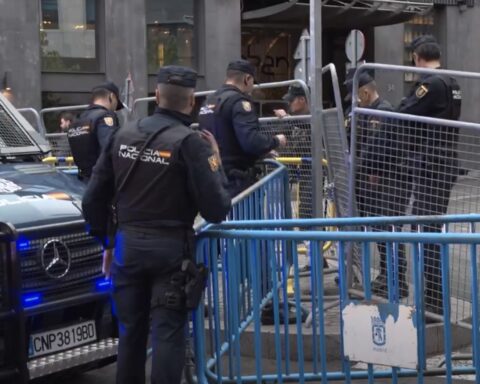
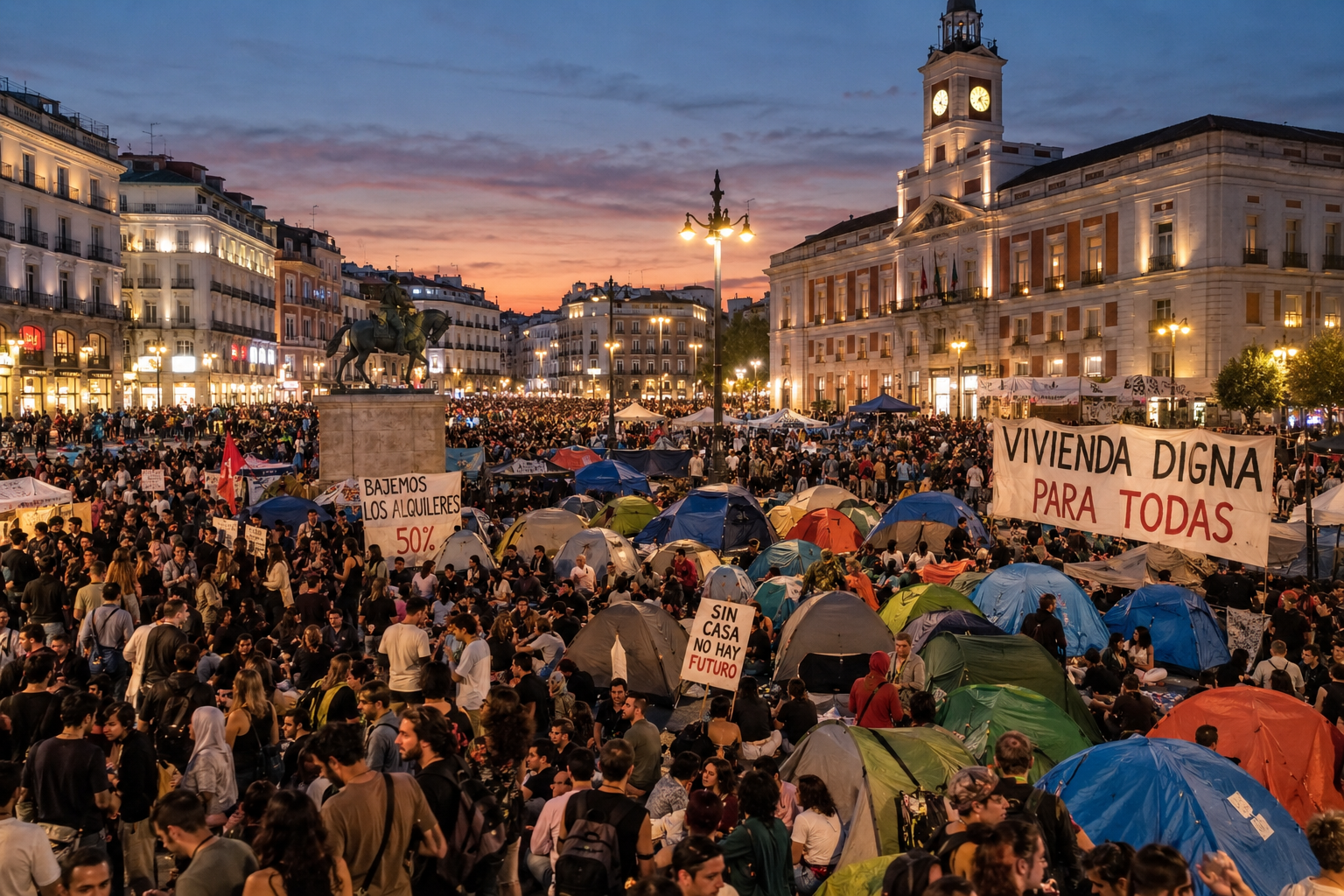
Madrid remains at the centre of the movement. The protest camp in Puerta del Sol has now been in place for a week, with around 2,000 people reported to have gathered there on Saturday morning. Tents have begun to spill beyond the square itself and into nearby streets, including Preciados and Arenal.
At the same time, demonstrators have taken part in a large march through the capital, with four separate columns converging on Plaza de Cibeles.
The protests have been organised in part by the tenants’ union Sindicato de Inquilinas, but the movement is no longer confined to Madrid.
Demonstrations and rallies have been called in more than 50 towns and cities across Spain.
Demands go far beyond the defeated decrees
The rejection of the government’s housing measures has not brought the protests to an end. Instead, it appears to have intensified them.
Campaigners are demanding measures that go considerably further than those contained in the two rejected decrees, including a 50% reduction in rents, indefinite tenancy agreements and the expropriation of properties owned by so-called “vulture funds”.
There have also been calls for a general strike over the housing crisis, although no official date has yet been set.
In Catalonia, housing activists have organised a major demonstration in L’Hospitalet de Llobregat, with further protests called in Girona, Badalona and other towns around Barcelona.
Trade unions, neighbourhood associations, students and other civil society groups have been urged to join the mobilisation.
Housing crisis becomes a political crisis
The protests come at a particularly difficult moment for Sánchez.
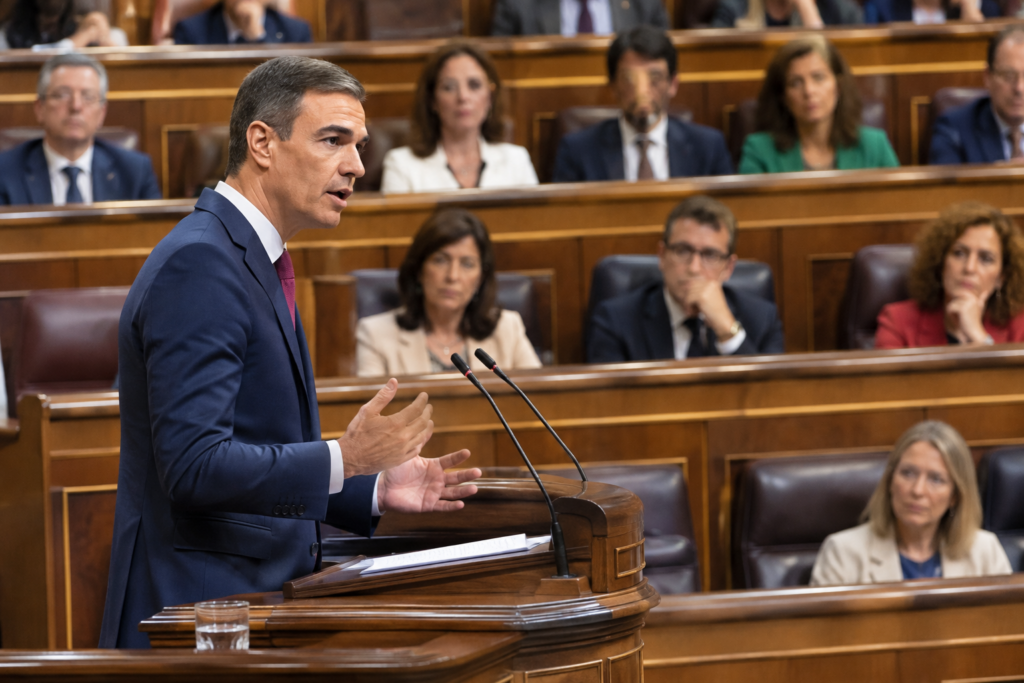
Friday’s defeat of both housing decrees represented a significant parliamentary setback for the Spanish government. PP, Vox and the Catalan separatist party Junts were among those voting against the measures, while one of the decrees also failed to secure the support of the Basque Nationalist Party, PNV.
The result has once again exposed the fragility of the parliamentary arithmetic on which Sánchez’s government depends.
It has also triggered renewed speculation over whether Spain could be heading towards an early general election.
The PNV said on Saturday that the political atmosphere increasingly resembled the build-up to an early election. The conservative PP is openly demanding that voters be called back to the polls, while parties to the left of Sánchez’s PSOE are pressing for further measures to tackle the housing crisis.
For the moment, however, Sánchez has made no official announcement of an early general election.
Two crises collide
Spain is now confronting two increasingly interconnected problems.
The first is social: the deepening frustration over rents, housing costs and access to affordable homes.
The second is political: a government struggling to assemble reliable parliamentary majorities for some of its most important legislation.
The defeat of the housing decrees has brought those two problems together.
Rather than calming the movement, Friday’s parliamentary vote appears to have given it fresh momentum. With a growing protest camp in the heart of Madrid, demonstrations taking place across more than 50 cities and calls for a general strike, housing is rapidly becoming one of the defining political issues in Spain.
And behind the protests lies an increasingly pressing question for Spanish politics: how long can Sánchez continue to govern under the current parliamentary arithmetic?