Maricarmen Abascal is set to return to her home. After more than four hours of negotiations on Monday evening, representatives of the 87-year-old and the property company Urbagestión reached an agreement that would allow her to move back into the Madrid flat where she had lived for more than seven decades.
Spain Expat Press Editorial Team
The agreement marks a dramatic turn in a case that has become one of the most closely followed stories in Spain’s increasingly heated debate over housing and tenants’ rights.
The negotiations took place at the offices of Madrid’s municipal housing company, EMVS, which acted as mediator between the two sides.
A new tenancy agreement for up to eight years
At the heart of the agreement is a new tenancy contract under Spain’s Urban Leasing Act (Ley de Arrendamientos Urbanos), with a term of up to eight years.
Under the proposed arrangement, Maricarmen’s monthly rent will not exceed 30 per cent of her net income.
The precise amount has yet to be calculated, although her lawyer has indicated that it is expected to be broadly similar to what she had previously been paying.
The tenancy will also be incorporated into Madrid’s Rental Mediation Service, known as the SIA (Servicio de Intermediación del Alquiler).
The municipal housing company EMVS will provide advice and mediation, while the arrangement also includes safeguards for the property owner, including protection against non-payment and insurance coverage.
One final step: Maricarmen must sign
There is still one important formality to complete.
Maricarmen herself must agree to the terms and sign the new tenancy contract.
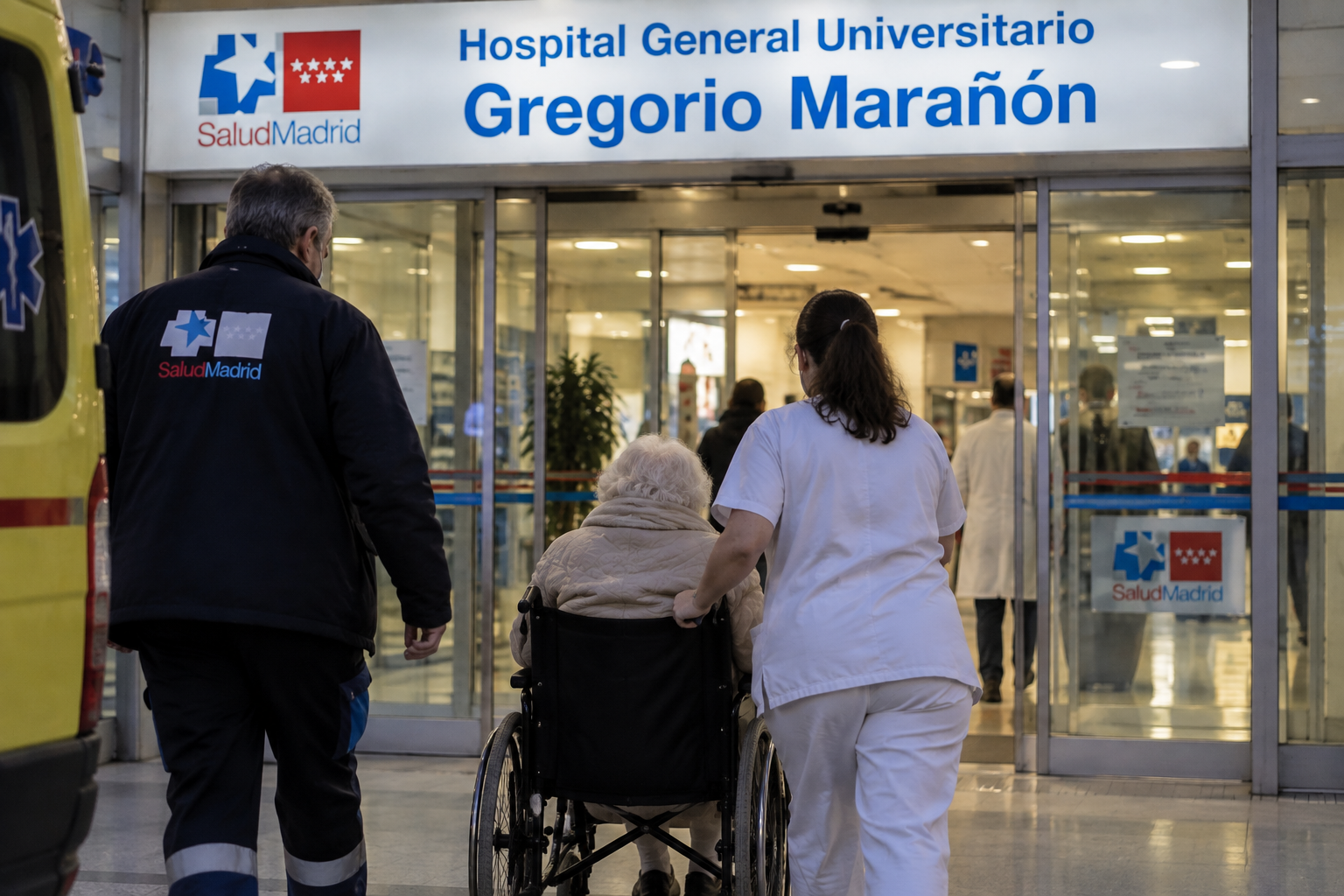
When negotiations ended at around 10pm on Monday, she remained in Madrid’s Gregorio Marañón Hospital. According to her lawyer, Beatriz Duro, Maricarmen was already asleep and had therefore not yet been able to personally approve the final agreement.
Her representatives are expected to explain the terms to her on Tuesday morning.
If she accepts and signs the contract, she will be able to return to her home following her discharge from hospital.
Only days ago, the case appeared to be over
The agreement represents a remarkable change from the situation just days earlier.
Last Wednesday, the court-ordered eviction from the property in Calle Alcalde Sáinz de Baranda, in Madrid’s Retiro district, was carried out, apparently bringing a long-running legal dispute over the tenancy to an end.
Spain’s Supreme Court had declined to hear Maricarmen’s appeal, leaving the termination of her previous tenancy agreement in place.
But images of the eviction of the 87-year-old woman, who has a recognised disability, triggered a wave of public and political reaction.
Within hours, her case had become a symbol of Spain’s wider housing crisis.
Demonstrations followed, political pressure increased and protesters subsequently set up tents in Madrid’s Puerta del Sol.
The first proposed solution could not go ahead
Urbagestión initially proposed placing the flat within Madrid City Council’s ReViVa housing programme as a way of allowing Maricarmen to return.
City officials concluded, however, that this option could not legally be implemented because the property did not meet all the programme’s requirements. The scheme also does not allow a particular property to be directly allocated to a predetermined tenant.
That prompted the search for another solution.
The two sides were brought together through the EMVS Rental Mediation Service.
That mediation has now produced an agreement.
The wider housing debate is far from over
For Maricarmen, the dispute now appears to be heading towards a personal solution. But the political and social debate triggered by her eviction is far from finished.
Spain’s tenants’ union, Sindicato de Inquilinas, has said that protests will continue. Its demands extend well beyond this individual case and include broader protections for tenants and changes to the rules governing rental contracts.
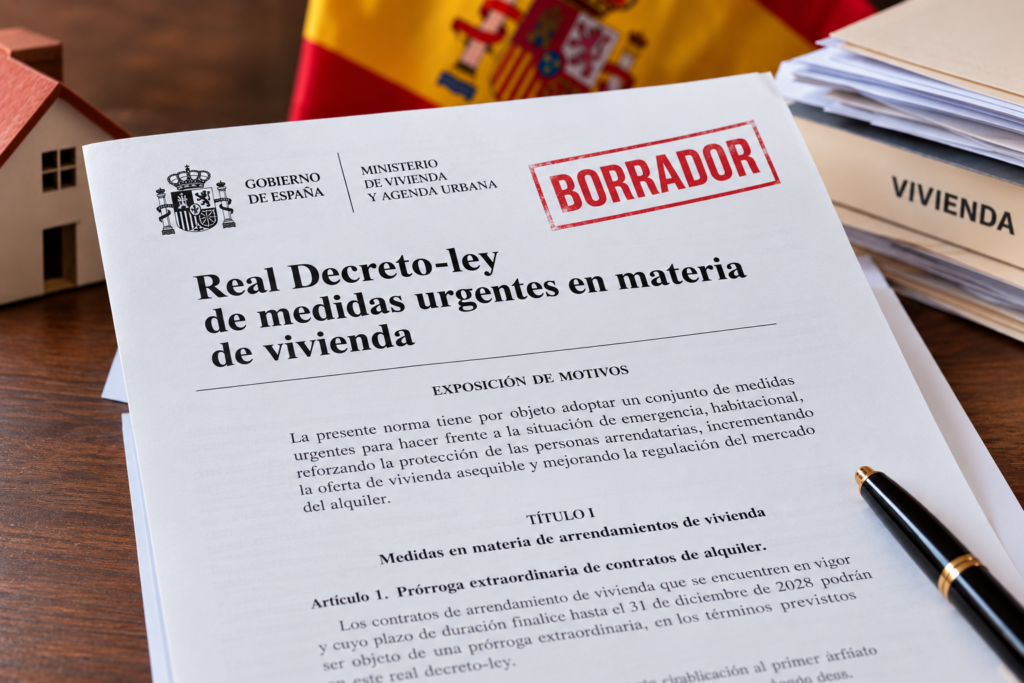
At national level, negotiations over further housing measures are also continuing.
In the space of just a few days, Maricarmen’s case has demonstrated how politically and socially charged Spain’s housing crisis has become.
For the 87-year-old herself, however, the immediate issue is much simpler.
Days ago, she was forced to leave the home where she had lived for more than 70 years. Now an agreement has been reached that should allow her to walk — or be wheeled — through its doors once again.
Once Maricarmen gives her consent and signs the new contract, she will be able to return home after leaving hospital.
A case that appeared to have ended in court may, after all, find its resolution around the negotiating table.