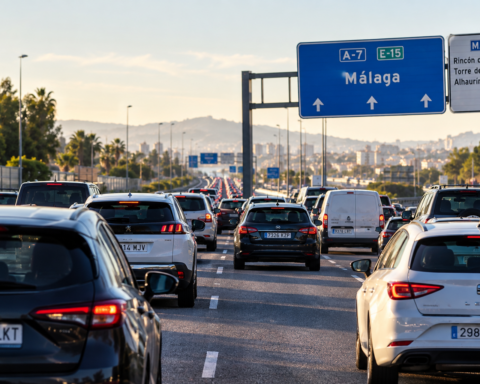
As geopolitical tensions continue to disrupt international travel across parts of the Middle East and the eastern Mediterranean, Spain is once again emerging as one of Europe’s biggest tourism winners. New forecasts from tourism alliance Exceltur suggest that the current shift in travel patterns could generate billions of euros in additional revenue for the country’s tourism sector.
Spain Expat Press Editorial Team
by Marlon Gallego Bosbach
According to industry experts, a growing number of holidaymakers are deliberately avoiding destinations affected by the fallout from the conflict involving Iran. Instead, traditional holiday hotspots such as Spain’s coastlines, islands and major cities are attracting increasing numbers of international visitors.
Sense of security influences travel decisions
The choice of holiday destination this summer is being shaped by more than just the weather or the price. For many travellers, their personal sense of security is becoming an increasingly important factor.
According to industry analyses, countries in the eastern Mediterranean such as Turkey, Cyprus and Egypt are experiencing weaker demand from key European source markets. Spain is benefiting from this trend, as the country is perceived as a stable and easily accessible holiday destination.
Tourism companies have reported a growing number of last-minute rebookings since spring, along with increased demand for hotels along Spain’s Mediterranean and Atlantic coasts.
Billions in potential for Spain’s economy
Exceltur now believes that the shift in holidaymaker flows could have a significantly greater impact on Spain’s economy than initially anticipated.
Back in spring, the organisation had already forecast an additional economic impact of around €4.2 billion. Representatives of the association now believe that even higher revenues are possible, as demand has accelerated further in recent weeks.
For the third quarter – traditionally the most important travel period of the year – experts are forecasting revenue growth of around 3.2% compared with the previous year. At the same time, the forecast for tourism’s overall contribution to the Spanish economy has also been revised upwards. The tourism sector could account for almost 13% of Spain’s gross domestic product in 2026.
Declines in competing destinations
The trend is particularly evident in the example of Turkey, according to Exceltur.
Between March and May, international visitor numbers there fell by around 3.8% overall. The decline was even more pronounced in key European source markets. Visitor numbers from the United Kingdom dropped by approximately 8.3%, from Italy by 8.1%, and from France by 5.7% compared with the same period last year. Some of these travellers are believed to have chosen Spain instead.
Other Mediterranean destinations are also feeling the impact of travellers’ caution, with many holidaymakers moving their plans at short notice to regions perceived as safer.
Not just winners
Despite the positive demand, the industry is not looking entirely optimistically at the months ahead.
At the same time, the geopolitical crisis is having a significant impact on the operating costs of many businesses. Airlines in particular are being affected by rising fuel prices. The cost of aviation fuel has increased considerably as a result of the tensions, potentially making air travel more expensive. Energy and supply costs are also putting pressure on hotels, restaurants and tourism-related businesses.
Industry representatives therefore point out that higher revenues do not automatically translate into higher profits. A portion of the additional income is likely to be offset by rising costs.
Tourism remains a key pillar of the Spanish economy
The latest developments once again highlight the enormous importance of tourism to Spain. Millions of jobs depend directly or indirectly on the sector. At the same time, the situation also demonstrates how quickly international crises can reshape travel behaviour within just a few weeks.
If geopolitical tensions in the Middle East continue, Spain could further strengthen its position as one of Europe’s leading holiday destinations in summer 2026. However, if the situation eases sooner than expected, the current booking trend could also quickly return to normal. One thing is already clear: the international security situation is influencing European travel patterns more than ever before – and Spain is currently among the biggest beneficiaries of this shift.