Spain is experiencing one of the most severe wildfire situations in recent years. The Madrid region and the neighbouring province of Ávila have been particularly affected by several major fires that continue to spread despite extensive firefighting efforts. The flames have already destroyed large areas of woodland and natural landscapes, threatened numerous communities and forced thousands of people to flee their homes. In response to the dramatic situation, the Spanish government has declared a national emergency and taken over central coordination of the response efforts.
Spain Expat Press Editorial Team
by Marlon Gallego Bosbach
Major wildfires west of Madrid out of control
The situation is particularly critical in the west of the Madrid region. Several fires have merged into a large fire front, spreading through dry woodland areas and rural regions. Among the affected municipalities are Navas del Rey, Chapinería and Colmenar del Arroyo.
According to authorities, several thousand hectares of land in the Madrid region have already been destroyed by the flames. One particularly severe fire is believed to have devastated around 6,000 hectares. In some areas, the fires have spread close to residential areas, posing a direct threat to homes and infrastructure.
The situation is being described by emergency crews as extremely challenging. The combination of high temperatures, strong winds and extremely dry vegetation allows the flames to change direction rapidly and new fire outbreaks to develop within a short period of time.
More than 11,500 people forced to evacuate
The fires have had a major impact on local communities. According to official figures, around 11,500 people have already been forced to leave their homes. Those most affected include residents west of Madrid as well as people in several municipalities across the province of Ávila.
Many people were temporarily accommodated in emergency shelters or taken in by relatives and friends. In some areas, residents had to leave their homes within minutes and were only able to take a few personal belongings with them.
Public facilities have also been affected. As a precautionary measure, facilities for particularly vulnerable people were evacuated, while authorities worked to prevent further evacuations.
Ávila also severely affected
The Madrid region is not the only area battling the flames. The province of Ávila is also facing a dramatic wildfire situation. A major blaze has spread across several municipalities in the area and has already destroyed large areas of natural land.
Areas with dense forests and sensitive ecosystems have been particularly affected. Authorities have had to evacuate several communities or impose protective measures on residents. Natural areas such as the Valle de Iruelas have also been impacted by the fires.
Firefighters battle extreme conditions
Firefighting efforts are being severely hampered by the weather conditions. Spain is currently experiencing a period of extreme heat, with low humidity levels and parched landscapes. Strong wind gusts are causing hotspots to reignite quickly and forcing fire fronts to change direction.
Numerous firefighters, firefighting aircraft, helicopters and the military emergency response unit Unidad Militar de Emergencias (UME) are currently deployed. Emergency crews are working around the clock to contain the fires and protect further communities.
Government declares national emergency
Due to the exceptional situation, the Spanish central government has declared a national emergency for Madrid and Ávila. This allows the state to mobilise additional resources and strengthen coordination between the various authorities involved.
The decision is considered an exceptional measure. According to the Ministry of the Interior, it allows additional resources to be deployed more quickly and enables closer coordination between regional emergency response authorities and national government agencies.
Roads closed and daily life disrupted
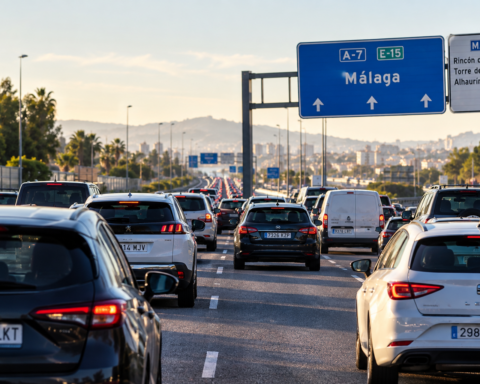
The wildfires are increasingly disrupting daily life in the affected regions. Several roads have been closed, transport links disrupted and some communities temporarily isolated.
For many residents, the situation represents a major burden. While some people have already been able to return to their homes, many others remain uncertain about when they will be able to go back.
A new test of resilience for Spain
The current fires are part of a series of severe wildfire seasons that Spain has experienced in recent years. Experts point to increasingly frequent extreme weather conditions, prolonged periods of drought and rising temperatures as key factors contributing to the growing wildfire risk.
Especially during the summer months, the risk of wildfires increases significantly in many parts of the country. Under the current conditions, small fires can develop into large-scale blazes within a very short period of time.
The coming days will be crucial
Despite the large-scale response efforts, the situation remains tense. Authorities warn that the fires are still not fully under control. The development of weather conditions over the coming days will be crucial in determining whether the situation improves or the fires continue to spread.
If the heat and strong winds persist, the situation could deteriorate further. Emergency crews, however, are hoping for improved conditions that will allow them to finally push back the advancing fire fronts.