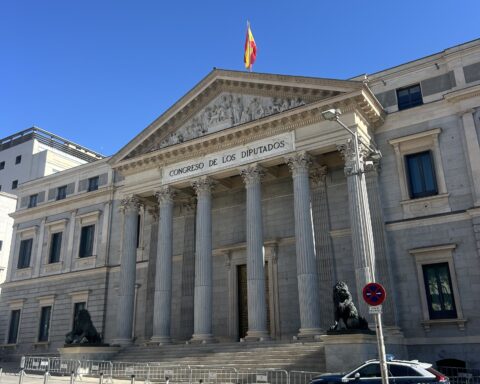
Spain has announced that it will reopen its embassy in the Iranian capital, Tehran, with immediate effect. The diplomatic mission had been closed just a few weeks ago amid the escalation of the Middle East conflict. Spain is now returning on-site as one of the first Western countries—a move with significant political implications.
Spain Expat Press Editorial Team
by Marlon Gallego Bosbach
Return after evacuation in March
The Spanish embassy was prudently closed in early March after the security situation in Iran deteriorated dramatically. The closure was triggered by the start of the 2026 Iran war, which began at the end of February with massive attacks by the United States and Israel on Iranian territory.
The situation escalated within a few days: airstrikes, missile attacks, and regional expansions of the conflict created an acute threat to foreign missions. Several countries evacuated their personnel.
Spain subsequently withdrew its diplomats and staff, suspending the operations of the embassy.
Ceasefire paves the way for a diplomatic return
The newly announced reopening comes against the backdrop of a recent easing: a fragile ceasefire between the conflicting parties is in effect for the next two weeks.
Foreign Minister José Manuel Albares justified the decision by citing the improved security situation and Spain’s political commitment to actively contribute to stabilising the region.
The Spanish ambassador is expected to return to Tehran shortly to resume diplomatic work.
Political signal to the international community
With this move, Spain is deliberately positioning itself as a diplomatic actor in the conflict. The reopening is being interpreted as a signal that Madrid favours dialogue over isolation.
Observers also see it as an attempt to exert influence on potential negotiations between Iran and Western states. Despite the ceasefire, the situation remains tense:
- The conflict has claimed thousands of victims
- Military structures in Iran were heavily damaged
- Regional tensions – such as in Lebanon – persist
Spain is thereby pursuing an independent foreign policy stance within Europe.
Criticism from Israel
The decision has not been met with international approval. Israel, in particular, reacted sharply, criticising the reopening as the wrong political signal.
From Israel’s perspective, the return of diplomatic missions could strengthen the Iranian leadership, even though central points of conflict—especially the nuclear programme and Iran’s military role in the region—remain unresolved.
The security situation continues to be fragile
Despite the current ceasefire, experts warn against excessive optimism. The truce is considered unstable, and a return to military clashes could occur at any time.
The strategic causes of the conflict also persist:
- Dispute over Iran’s nuclear programme
- Geopolitical rivalries in the Middle East
- Influence of regional militias and allies
Spain itself therefore describes the situation as “fragile,” where diplomatic presence is necessary but not without risk.
Context: Diplomacy balancing risk and responsibility
The reopening of the embassy is more than an administrative step. It exemplifies the balancing act of Western countries between security concerns and diplomatic responsibility.
While many countries continue to act cautiously, Spain is emphasising an on-site presence – in the hope of contributing to de-escalation.
Whether this approach will contribute to long-term stabilization or create new tensions remains uncertain.