For decades, a ringing phone was something simple: people answered it.
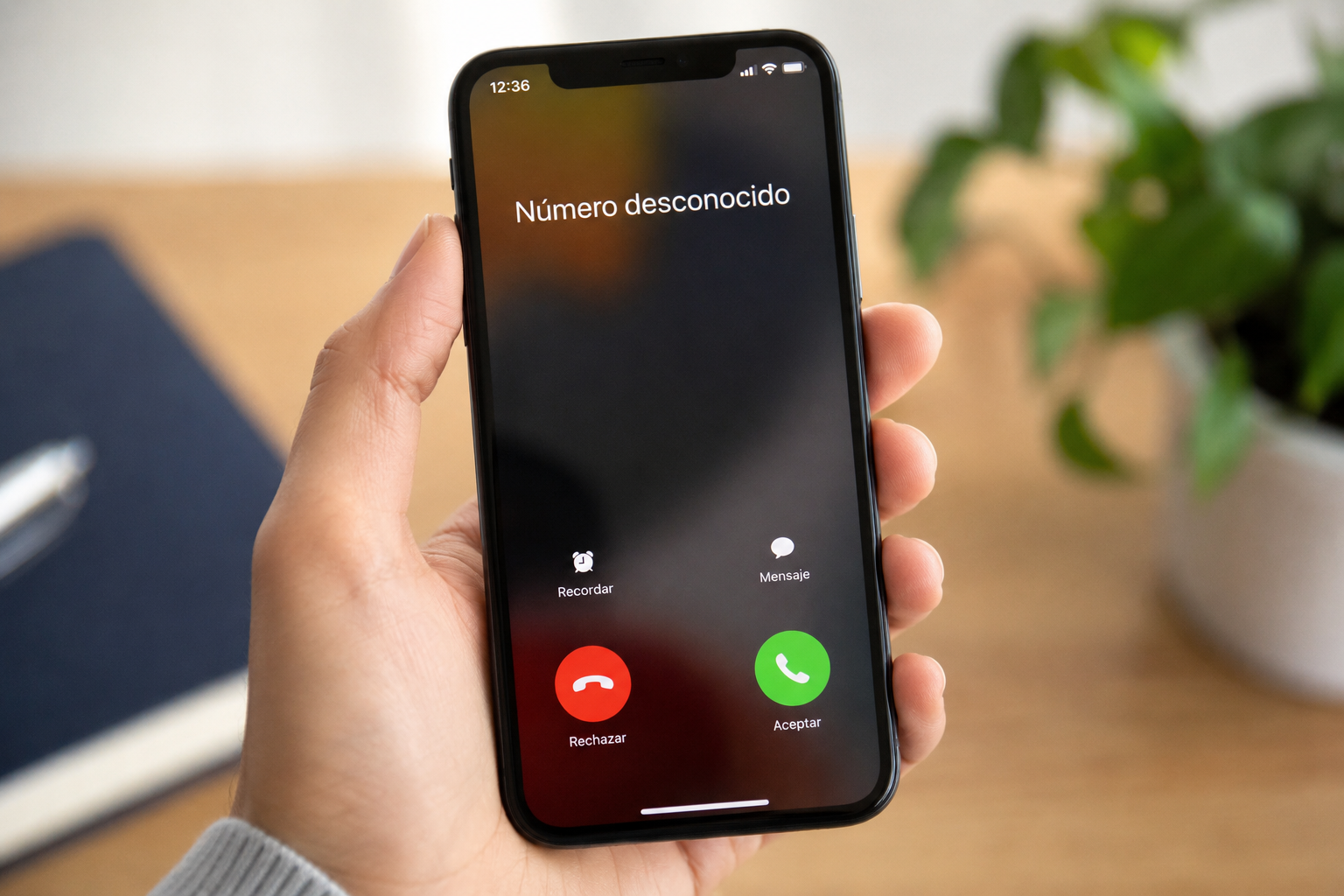
Today, across Spain, the opposite is increasingly happening. The phone rings, people glance at the screen… and ignore the call.
What may seem like a small everyday habit is actually becoming a major social shift — especially among younger generations. Spam calls, digital exhaustion, scam attempts and changing communication habits are transforming the way Spain interacts.
Spain Expat Press Editorial Team
The Phone Has Become a Source of Stress
For many people, an unknown number no longer represents a conversation or opportunity. It represents annoyance, advertising or even danger.
Spain has seen an explosion of unwanted commercial calls and telephone scams in recent years. The situation became so serious that the Spanish government tightened regulations on spam calls and fraudulent communications.
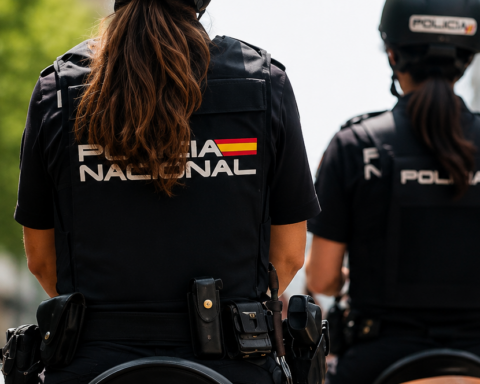
According to Spanish media reports, telecom operators have blocked around 135 million fraudulent calls and more than five million suspicious text messages since March 2025 alone.The National Police has also publicly warned citizens about scam calls and illegal commercial practices, advising people to be extremely cautious when receiving calls from unknown numbers.
“If It’s Important, Send Me a WhatsApp”
Among younger Spaniards especially, traditional phone calls are rapidly being replaced by WhatsApp messages and voice notes.
Many people now consider unexpected calls intrusive unless there has been prior messaging. Others simply prefer the control that texting offers — the ability to respond later, think before replying or avoid interruptions during work or personal time.
For Generation Z and younger millennials, speaking directly on the phone is no longer the default form of communication. In many cases, it is becoming the exception.
Spain Is Living Through a Spam Epidemic
The Spanish consumer organisation OCU says that more than 90% of users have received unwanted commercial calls, while a large percentage report receiving multiple spam calls every single week.
But the issue goes beyond marketing.
Cybersecurity experts warn that fraud networks are becoming increasingly sophisticated, using artificial intelligence, automated voice systems and psychological manipulation techniques that are harder than ever to detect.
As a result, many people now instinctively distrust incoming calls from unknown numbers.
A Cultural Shift Is Already Visible
The change is affecting everyday life and even the workplace.
Companies report growing difficulties reaching clients by phone. Recruiters say younger candidates often ignore calls entirely. Some businesses now contact customers through WhatsApp before attempting to call.
What was once considered the fastest and most direct form of communication is slowly becoming something many people actively avoid.
The New Digital Silence
Paradoxically, modern society has never been more connected. People send messages constantly, share voice notes, post online and remain digitally available almost all day long. And yet direct conversation is quietly disappearing.
Spain is not becoming less connected. It is simply changing the way it communicates.
For millions of people today, the sound of a ringing phone no longer means connection. It means suspicion.