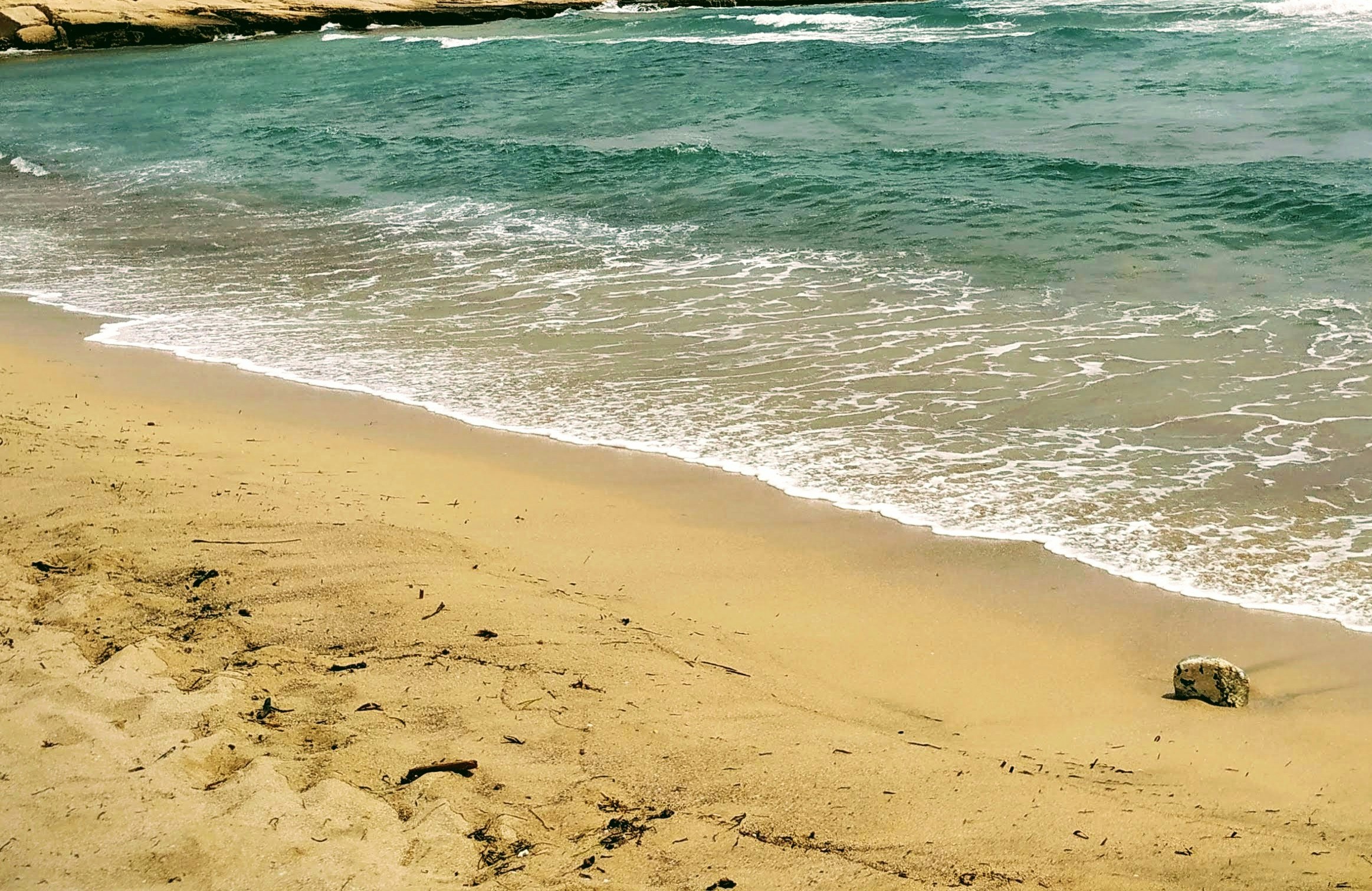
Good news for residents and holidaymakers on the Costa del Sol: following a temporary swimming ban, all six affected beaches in Málaga have reopened. New water tests show that E. coli levels are once again within permitted limits. The contamination was caused by severe weather that overwhelmed the city’s sewage system.
Spain Expat Press Editorial Team
by Marlon Gallego Bosbach
Málaga can breathe a sigh of relief – at least for now. After several beaches in the Andalusian coastal city were closed due to E. coli contamination in the seawater, swimming is now permitted again at all affected beaches.
The last four closed beaches were reopened on Wednesday afternoon, 19 August. New tests carried out by the city’s water utility, Emasa, found that bacterial levels had returned to within the permitted safety limits. The regional health authorities of the Junta de Andalucía subsequently approved the reopening.
Heavy rain pushed Málaga’s sewage system to its limits
The situation began with severe storms that hit Málaga on 15 August. According to the city, a total of 18.5 litres of rain fell per square metre, with around 14 litres falling within just one hour.
The huge volumes of water placed considerable strain on the city’s drainage and sewage system. As rainwater and wastewater are partly carried through shared pipes, this led to overflows, allowing contaminated water to enter the sea.
Subsequent water samples showed elevated levels of E. coli. Authorities responded by raising red flags and temporarily banning swimming to eliminate any potential health risk to the public.
Six beaches were affected
The closure affected a total of six beaches within the city of Málaga: Guadalmar, Sacaba, La Misericordia, San Andrés, Campo de Golf-San Julián and El Palo.
While the two beaches of El Palo and Campo de Golf-San Julián were able to reopen on Tuesday, the four western beaches had to remain closed for another day.
Full clearance finally came on Wednesday. New tests confirmed that water quality at those beaches had also returned to within the applicable safety standards.
What does E. coli contamination mean?
E. coli is a bacterium that naturally occurs in the intestines of humans and animals. When found in elevated concentrations in seawater, it can indicate possible faecal contamination.
For swimmers, contaminated water can be particularly problematic if it is swallowed or comes into contact with open wounds. This is precisely why authorities act quickly when elevated readings are detected. In this case, the beaches remained closed until new water samples showed that the levels had returned to safe limits.
The all-clear comes at just the right time for Málaga
The reopening comes in the middle of the Feria de Málaga, which is currently attracting large numbers of people to the city.
For locals and holidaymakers, the beaches are an important part of any stay on the Costa del Sol during the hot August days. The reopening of all six affected beaches will therefore come as a welcome relief.
However, the current situation also highlights how vulnerable water quality can be to severe weather events and the capacity limits of the city’s infrastructure.
The problem runs deeper
Reopening the beaches does not mean the underlying problem has gone away. The city of Málaga is already working to modernise its sewage system. One of the key aims is to separate rainwater and wastewater more effectively in the future. Under current plans, around 70 per cent of the network is expected to operate as a separate system by 2029.
In addition, a new stormwater storage tank is planned at the historic Carretería collector. It will be designed to hold excess water during heavy rainfall, helping to prevent the sewage system from reaching its capacity so quickly.
The situation could happen again in the event of further heavy rainfall
For beachgoers, the current reopening means that swimming is once again permitted at all six affected beaches. However, this does not provide a permanent guarantee for the future. Should Málaga be hit by another spell of very heavy rainfall, the sewage system could become overwhelmed once again. In that event, further overflows and potentially temporary closures of individual beaches cannot be ruled out.
The city is therefore relying not only on regular water quality testing, but also on long-term investment in its infrastructure.