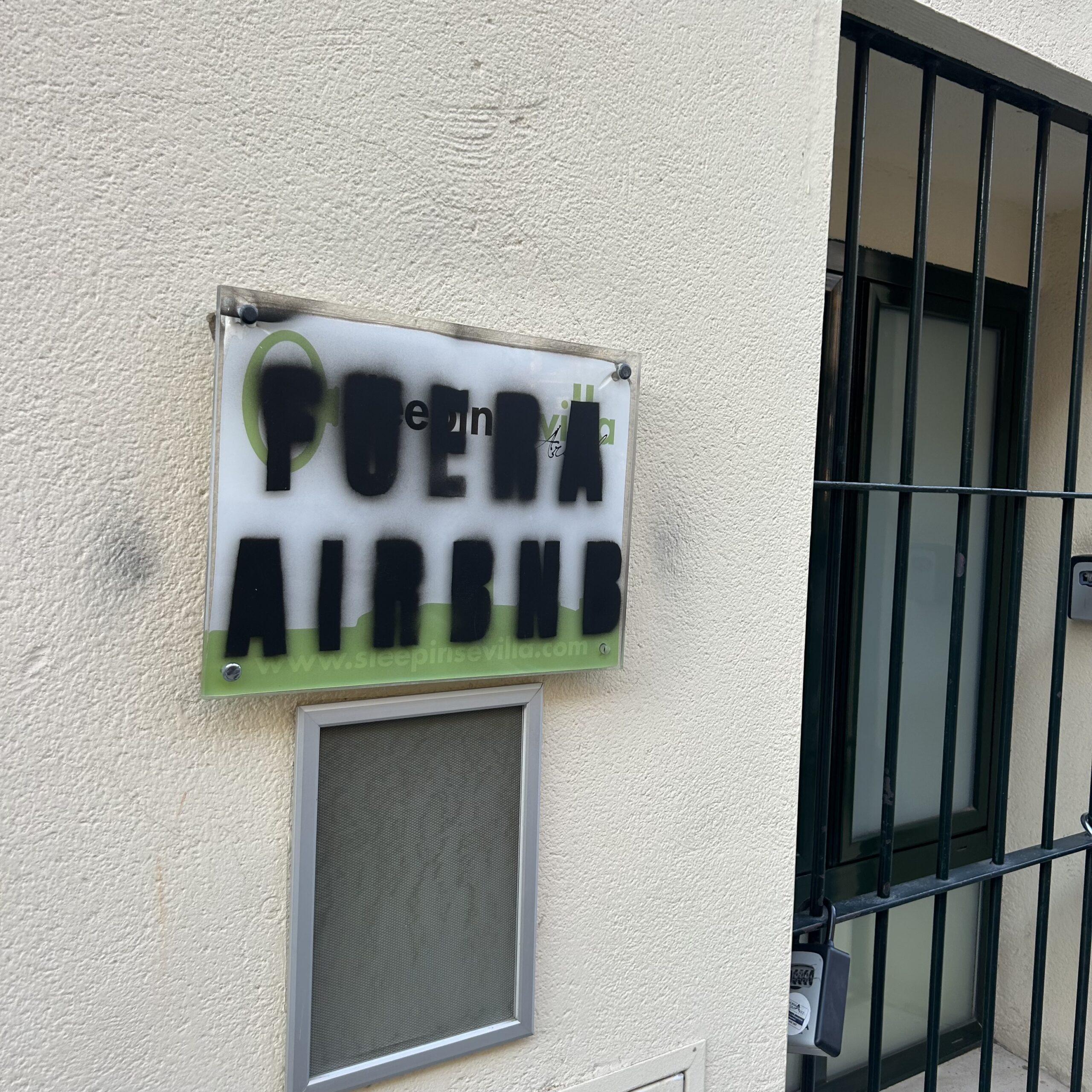
Andalusia lives from tourism — and benefits enormously from it. Yet in cities such as Seville, Málaga, Cádiz and Granada, the mood is beginning to change. What was once a relatively marginal anti-tourism sentiment is becoming increasingly visible. The issue is not simply hostility towards visitors, but a growing feeling among residents that they are being priced out of their own neighbourhoods as holiday lets spread, traditional premises are converted into tourist accommodation and housing becomes ever scarcer and more expensive.
Spain Expat Press Editorial Team
Walk through Seville today and the transformation is no longer confined to the Cathedral, the Giralda or the Alcázar. Tourism has moved deep into residential neighbourhoods that, until relatively recently, lay outside the traditional visitor circuit.
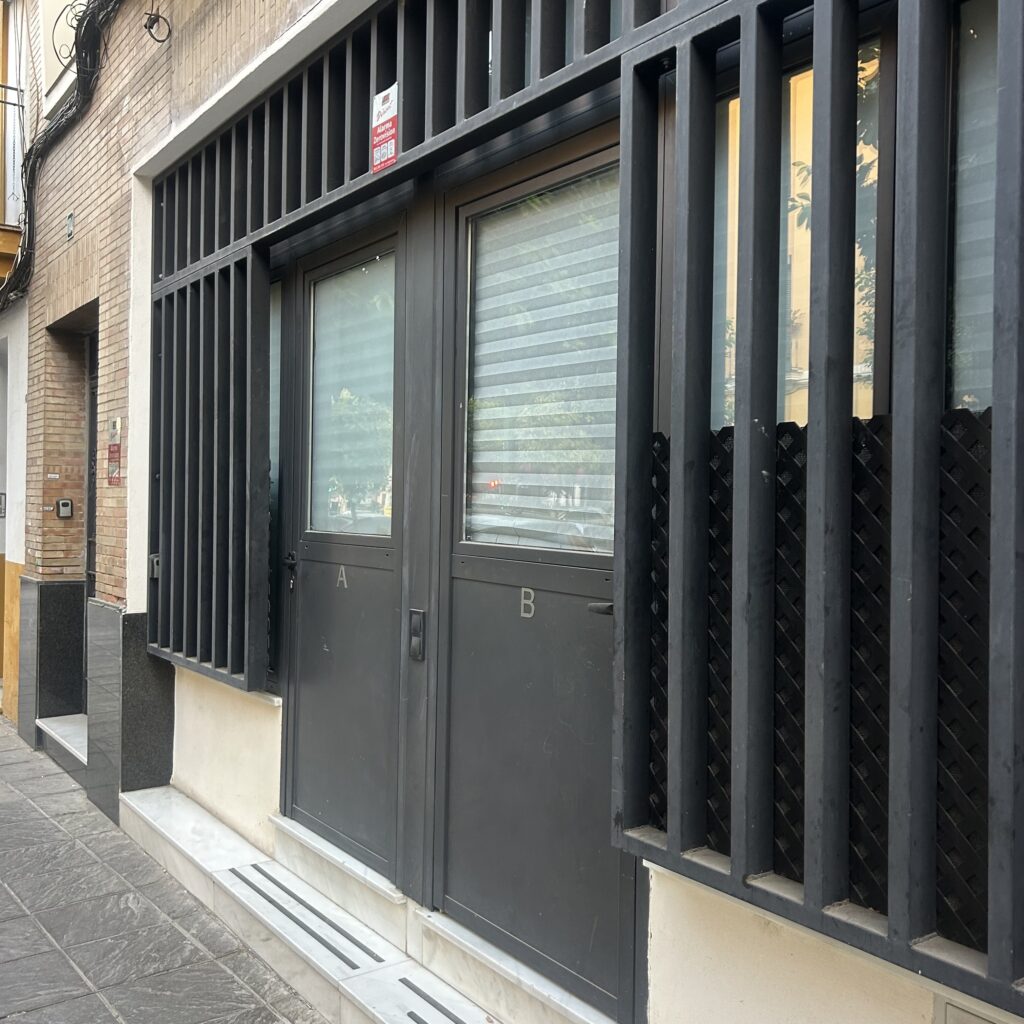
Triana is one of the clearest examples. Key boxes and combination locks for holiday apartments have become a familiar sight around residential entrances, sometimes several clustered around the same doorway. Residents increasingly share their buildings with a succession of visitors arriving with suitcases, while flats that once housed permanent neighbours are rented out for a few nights at a time.
Signs of resistance are becoming harder to miss too. Anti-tourism and anti-Airbnb graffiti are appearing around the city, while some key boxes have been damaged or broken. What was once a relatively fringe phenomenon is becoming more visible, suggesting that frustration is moving beyond council meetings and neighbourhood associations and on to the streets.
The anger is not necessarily directed at the individual German, British or French visitor. Rather, it reflects growing unease about a model of city life that many residents believe is increasingly designed around people who stay for three or four nights rather than those who live there all year round.
Tourists want to be where the locals live
Ironically, a change in the way people travel is contributing to the problem. Many visitors no longer want to stay exclusively in tourist districts. They want the “real” Seville, Málaga or Cádiz. They want breakfast in the café where locals drink their morning coffee, lunch in their restaurants, shopping at their markets and an apartment in a street where ordinary Andalusians still live.
For an individual traveller, the desire is perfectly understandable. At scale, however, it creates a paradox: the more visitors seek out the authentic life of a neighbourhood, the more tourism risks changing the very life they have come to experience.
Triana illustrates the contradiction particularly well. Visitors are drawn to it precisely because it is not simply a collection of monuments. It has its own identity, traditional bars and shops, markets and a deeply rooted neighbourhood culture.
That authenticity has now become a tourism product in its own right.
Housing is where the argument becomes serious
Spain is already struggling with a shortage of affordable housing, particularly in its most attractive cities. At the same time, letting a property to tourists can be considerably more lucrative for an owner than renting it to a local family on a conventional long-term contract.
For many residents, that creates the uncomfortable impression that they are competing for homes not merely with other residents, but with an international tourism market.
Young people are particularly affected. Those born in Seville or Málaga who want to remain close to their families and workplaces face a market in which supply is tight and rents have risen beyond the reach of many ordinary salaries.
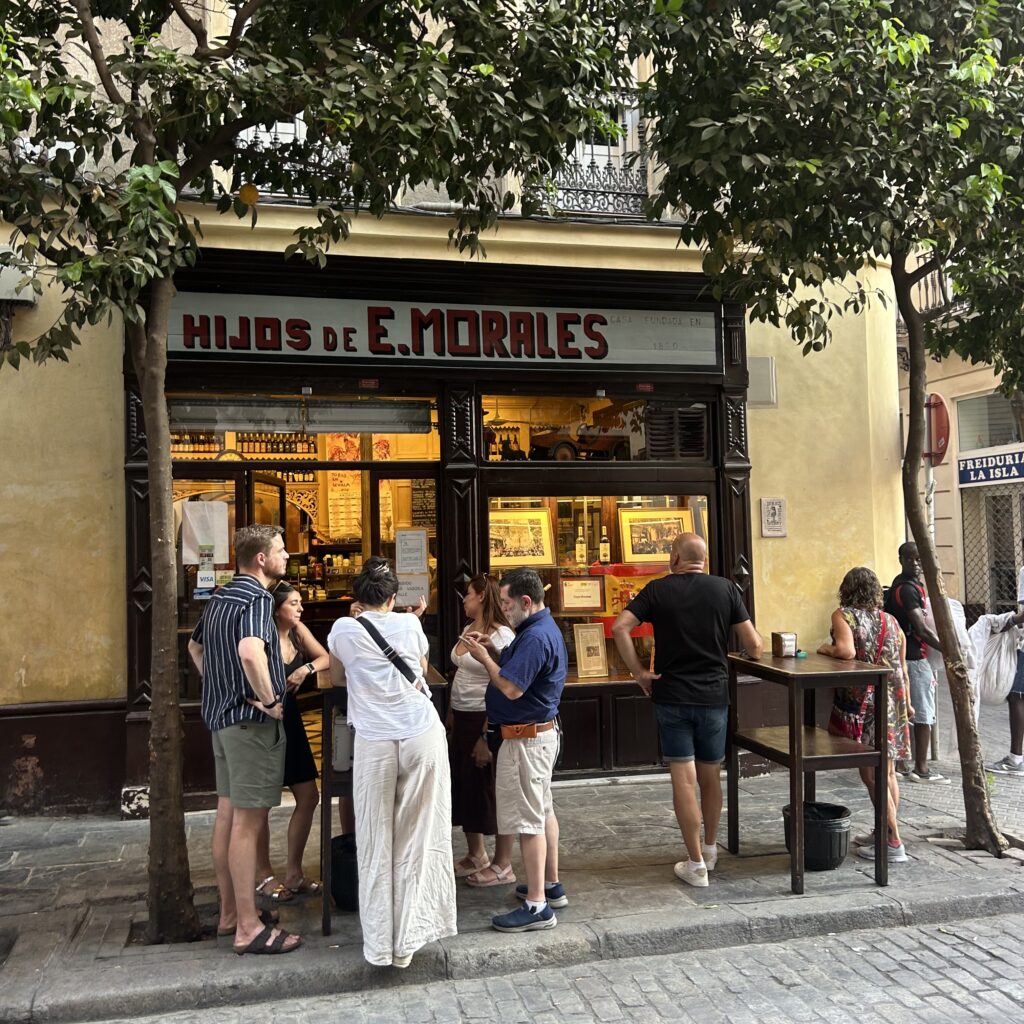
And the transformation is no longer limited to residential flats. Ground-floor premises that once housed small shops, workshops, offices and other local businesses are also being converted in some areas into tourist apartments.
The result can change a neighbourhood twice over: housing becomes harder to find while the everyday businesses that serve permanent residents gradually disappear. Tourism, in other words, is beginning to affect not only where locals live, but the traditional commercial life around them.
Seville is trying to regain control
Seville City Council has recognised the problem and introduced restrictions on new tourist accommodation, including limits in areas where holiday lets have become particularly concentrated. Parts of the historic centre and Triana are among those where the authorities have sought to prevent an unlimited expansion of tourist flats.
Controls on illegal holiday accommodation have also been tightened.
Yet many residents believe the measures are either insufficient or have arrived too late. The market continues to develop new forms of tourist accommodation while demand for staying in the heart of the “real Seville” remains strong.
The result is something Andalusia was once relatively unfamiliar with: tourism fatigue.
It has not yet reached the intensity of the anti-tourism movements seen in some other Spanish destinations, but the language is becoming sharper. Graffiti, damaged key boxes and increasingly vocal neighbourhood campaigns show how an economic debate can gradually become an emotional one.
And yet the tourists keep coming
So far, none of this appears to have seriously dented Seville’s appeal.
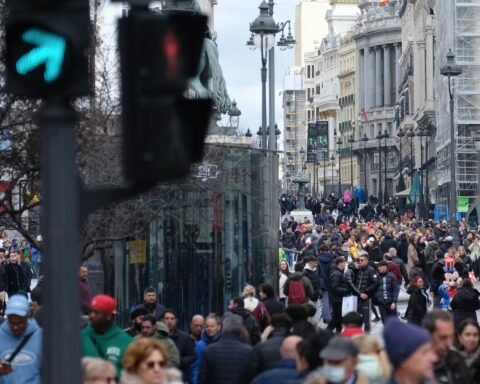
Even in the height of summer, when daytime temperatures approach 40°C and many locals arrange their lives around the early morning and late evening, the city’s main streets and monuments remain packed with visitors.
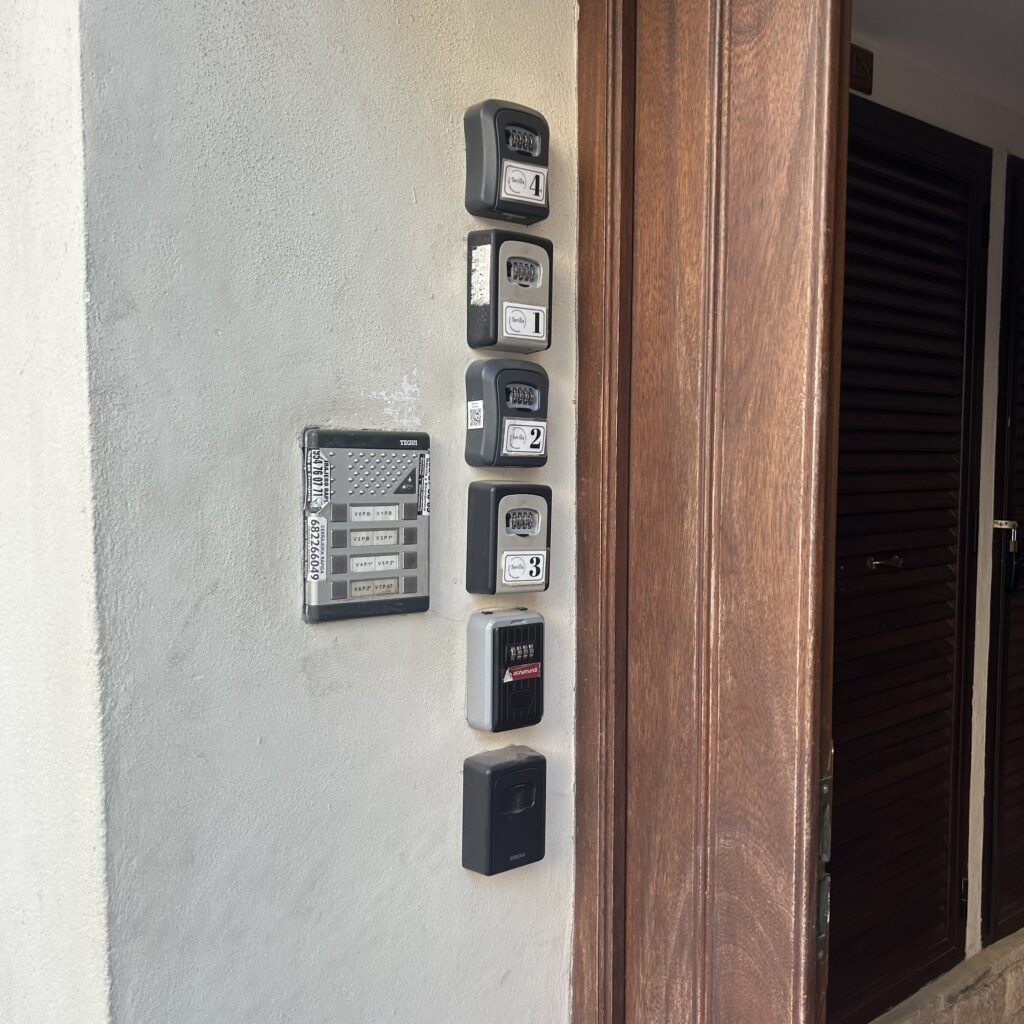
Tour groups wait outside the Cathedral beneath the blazing sun, visitors squeeze through the narrow streets of Santa Cruz and, across the Guadalquivir, travellers seek out the traditional bars and squares of Triana.
Neither the heat nor the increasingly visible criticism of mass tourism appears, for now, to be putting them off.
Economically, that is excellent news for Seville. Socially, it makes the question facing its most heavily visited neighbourhoods even more pressing: at what point does a successful tourist city begin to become a city in which its own residents struggle to remain?
Andalusia cannot simply turn its back on tourism
That is what makes the argument so complicated.
Tourism is enormously important to the Andalusian economy. Around 37.9 million tourists visited the region in 2025, while the overall economic impact exceeded €30 billion, according to the regional government. Hundreds of thousands of jobs depend directly or indirectly on the industry.
Hotels and restaurants depend on visitors, as do shops, taxi drivers, tour operators, property owners and countless small businesses.
Without tourism, Andalusia would be economically very different — and almost certainly considerably poorer.
It would therefore be misleading to blame tourism alone for the housing crisis. A shortage of new homes, property investment, relatively low wages and wider pressures on the Spanish housing market all play a part.
The real question is how much tourist accommodation a residential neighbourhood can absorb, and how the enormous economic benefits of tourism can be reconciled with residents’ need for affordable homes.
When frustration turns into resentment
This is where the mood begins to change.
When people find themselves unable to afford the neighbourhood in which they grew up while flats on the same street are advertised to visitors at high nightly rates, an abstract debate about tourism quickly becomes personal.
Most Andalusians are not opposed to tourists. Many work in the industry themselves, own holiday properties or understand perfectly well how much prosperity visitors bring to the region.
What is growing, however, is the feeling that the financial rewards are not shared equally, while the costs are felt very directly in certain neighbourhoods: higher rents, fewer long-term homes, noise, constantly changing neighbours and the gradual disappearance of traditional businesses.
Frustration can then become resentment.
The price of searching for the “real Andalusia”
There is a final irony at the heart of modern tourism. Visitors increasingly want authenticity. They do not want an artificial holiday resort; they want Triana, the old streets of Cádiz, Málaga’s traditional neighbourhoods or everyday life in Granada.
But when millions of people simultaneously search for that authenticity, their presence can help transform it.
Ordinary flats become holiday accommodation, commercial premises become apartments and residential neighbourhoods become destinations. Meanwhile, some of the people who were born there or have lived there for decades move further out because they can no longer afford to stay.
Andalusia therefore faces a difficult balancing act. It must protect one of its most important economic engines without allowing the cities on which that industry depends to become little more than beautiful backdrops.
Visitors do not come to Seville, Málaga, Cádiz or Granada solely for their monuments. They come for the atmosphere, the markets, the bars, the voices in the streets and the everyday life of their neighbourhoods.
If the people who create that life can no longer afford to remain, the beautiful setting may survive — but part of the Andalusia that tourists came looking for will already have disappeared.