Currently, Spanish consumer protection organisations and financial experts are warning of a wave of scams in which criminals are deliberately exploiting the goodwill of their victims. At first glance, everything appears to be a genuine mistake. However, in reality, a single careless confirmation in a banking app can already be enough to cause money to disappear from the victim’s account.
This is how the scam works
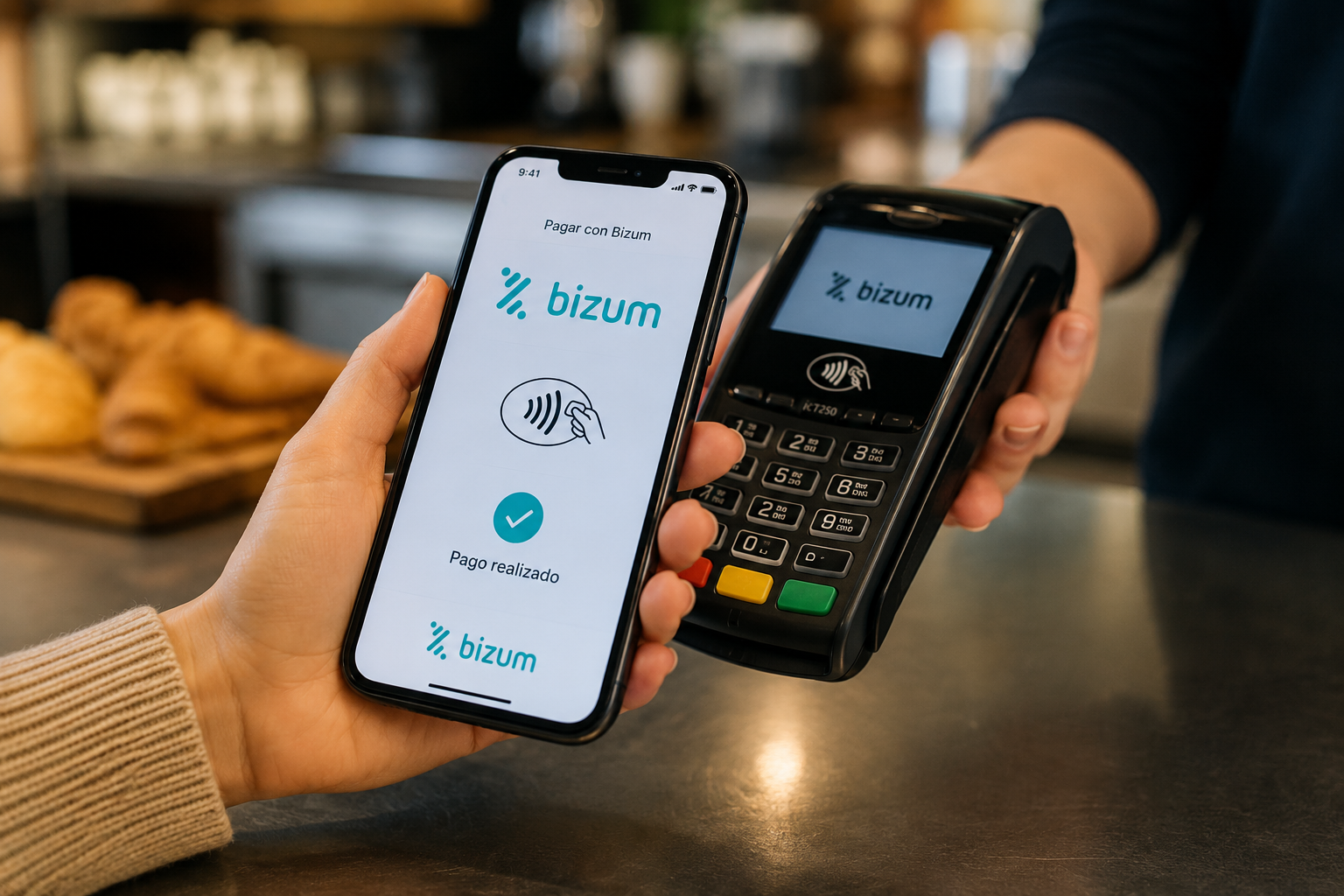
The scam usually begins with an unexpected Bizum payment from an unknown phone number. Shortly after the notification appears on the smartphone, the supposed sender gets in touch. This often happens via phone call, WhatsApp or SMS. The person claims they have mistakenly sent money to the wrong number and asks for the amount to be sent back.
The story sounds plausible. After all, anyone can make a typing error. It is precisely this natural reaction that the scammers exploit. Many people want to help and see no reason to doubt the explanation. The perpetrators often also try to apply pressure. For example, they claim that the money is urgently needed or intended for an important bill. Some victims even report repeated phone calls and messages within a short period of time.
The dangerous trap: the “Reverse Bizum”
Particularly insidious is the variant known in Spain as “Bizum Inverso”. In this case, the supposed sender does not simply ask for the money back, but instead uses the payment request function. To many users, the corresponding notification initially appears to be a normal refund or reversal.
Anyone who confirms the request does the exact opposite of what they intended. Instead of receiving money back or processing a refund, a payment is triggered from their own bank account. In doing so, the victim sends their own money directly to the scammer.
Banks therefore repeatedly stress that a genuine incoming Bizum payment never needs to be confirmed. If money is actually received, the amount is credited automatically. As soon as an app or notification requests authorisation, it should be carefully checked what exactly is being approved.
Why expats are particularly affected
In particular, foreign residents and newcomers in Spain are increasingly being targeted by such scam attempts. Many are broadly familiar with how Bizum works, but have not been using the service long enough to correctly interpret every notification.
While Spanish users often know how to distinguish between a payment request and an actual incoming transfer, many expats initially lack this knowledge. In addition, scammers frequently present themselves very convincingly and tell a believable story. Anyone who assumes they are simply helping another person with an honest mistake often acts too quickly.
Several victims have reported in Spanish media that they initially felt sympathy for the supposed sender. It was only when they were contacted from multiple phone numbers or increasingly put under pressure that doubts began to arise. In some cases, banks had to intervene in order to prevent further transactions.
Even more concerning: money laundering risks
In addition to the immediate financial loss, there is another risk that many people are not aware of. Experts warn that the initial incoming payment may, in some cases, originate from criminal sources.
If the money, for example, comes from a hacked account or fraudulent activity, anyone who then forwards the amount to another number may unknowingly become part of a money-laundering chain. Although this is usually done without malicious intent, banks may nevertheless be required to investigate suspicious transactions. In the worst case, this can lead to a temporary account freeze or further enquiries from the authorities.
Key warning signs
This scam is typically characterised by the perpetrators wanting to act as quickly as possible. Whenever an unknown person immediately gets in touch after an unexpected payment and pressures the recipient into a rapid refund, particular caution is advised. Repeated phone calls, multiple messages within a short period of time, or attempts to create emotional pressure are also clear warning signs.
Likewise, caution is warranted if a notification requires confirmation, or if the supposed sender asks for the money to be returned to a different phone number or bank account. Legitimate refunds are generally not carried out under time pressure and can be easily clarified with one’s own bank.
What to do if money suddenly appears in your account?
Anyone who receives an unexpected Bizum payment should first remain calm and avoid making any hasty decisions. Experts recommend neither confirming any money requests nor independently transferring funds back to unknown individuals. Instead, the person’s own bank should be contacted so it can be verified whether a genuine payment has been received and what the appropriate next steps are.
In addition, it is advisable to document all messages, phone numbers, and notifications. Screenshots can later serve as evidence if the suspicion of fraud is confirmed. If money has already been lost or a concrete attempt at fraud has taken place, it is recommended to file a report with the police.