Spain’s coastal regions are experiencing a historic property boom. Within just a few years, house prices in many popular holiday destinations have risen dramatically. The Balearic Islands and the Mediterranean coast, in particular, are now seeing property values reach levels once associated only with the most exclusive districts of Madrid and Barcelona. As a result, the dream of owning a home is becoming increasingly out of reach for many local residents.
Spain Expat Press Editorial Team
by Marlon Gallego Bosbach
Demand for property in Spain remains strong. Homes and apartments close to the coast are particularly sought after, attracting not only Spanish buyers but also growing numbers of international purchasers. As a result, the property market has expanded at a far faster pace over the past five years than many experts had anticipated.
The Balearic Islands Lead the Way in Property Price Growth
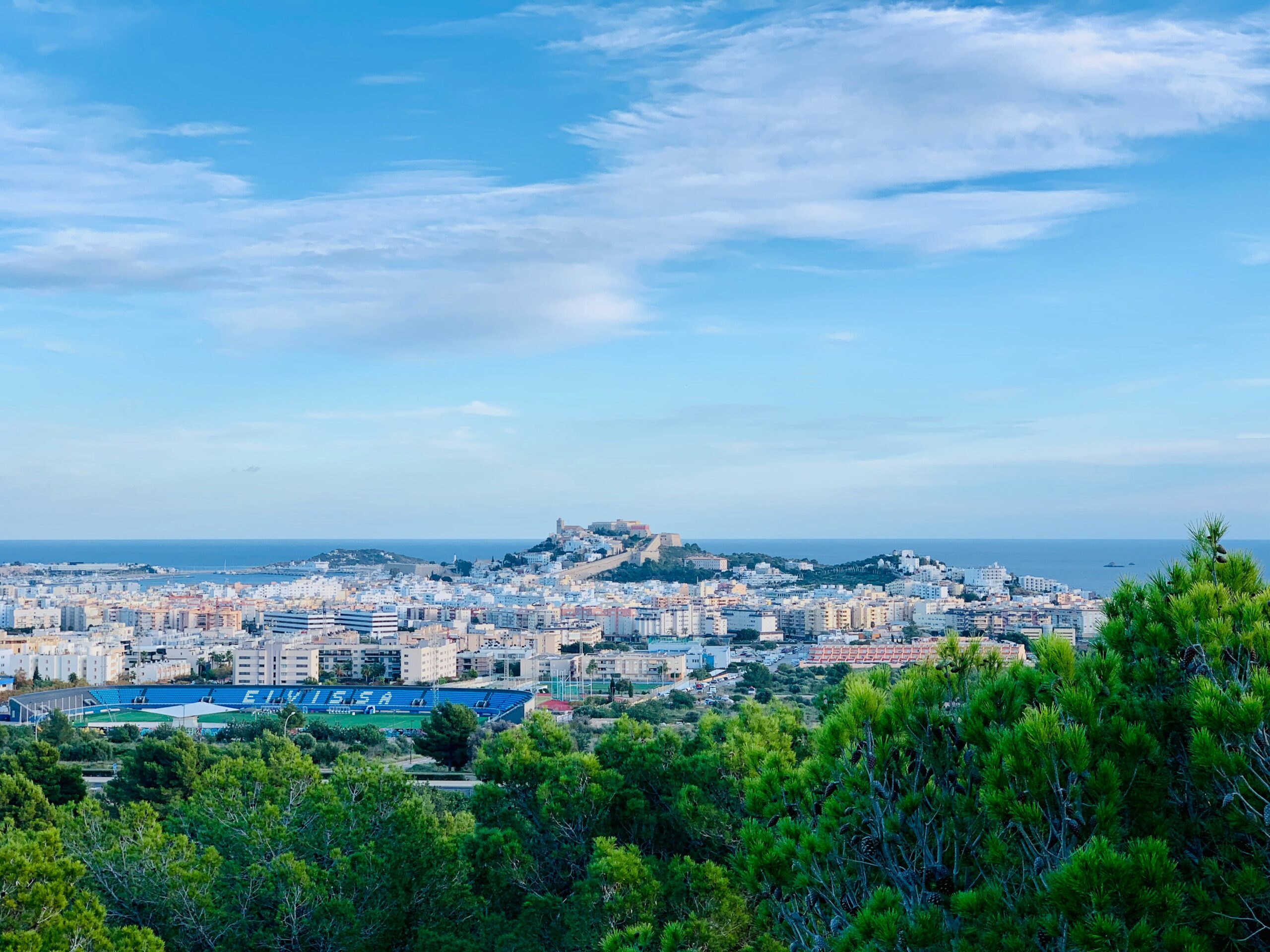
The trend is particularly evident in the Balearic Islands. Several municipalities on Ibiza and Mallorca have now become among the most expensive places to live in Spain. According to recent data from the property portal Fotocasa, the price per square metre in some coastal areas has now risen well above €8,000.
Leading the way is Santa Eulària des Riu on Ibiza, where asking prices have almost doubled within five years. Other municipalities among Spain’s most expensive property markets include Sant Antoni de Portmany, Ibiza Town and Calvià in Mallorca. The Balearic Islands are therefore home to several of the country’s most expensive coastal property markets.
Property Prices Are Also Rising on the Spanish Mainland
It is not only the islands that are experiencing significant price increases. Along the Costa del Sol, the Costa Blanca and parts of the Costa Brava, property prices have also been rising steadily for years.
Marbella, Benalmádena, Estepona and Benidorm are among the areas benefiting from consistently high demand. International buyers are looking there for both holiday properties and permanent homes. At the same time, an increasing number of investors are viewing the Spanish property market as a relatively secure investment opportunity.
Experts now point out that coastal properties are no longer viewed solely as holiday homes. They have become highly sought-after investment assets, with values in many regions rising faster than the national average.
Why Are Prices Rising So Sharply?
There are several factors behind this development, which are reinforcing one another.
Firstly, demand has been growing steadily for years. Spain is considered an attractive residential and investment destination for buyers from Germany, the United Kingdom, the Netherlands, Scandinavia and, increasingly, the United States.
Secondly, supply remains limited. In many popular coastal areas, available building land is scarce. This is compounded by lengthy planning approval processes and a relatively low number of new construction projects. As a result, a persistent imbalance between supply and demand has developed.
The desire among many people to own a second home or to live permanently by the sea is also contributing to this trend. Since the pandemic, this movement has gained even further momentum.
Pressure on the Local Population
While property owners benefit from rising real estate values, many local residents are increasingly feeling the pressure.
In many coastal towns, young families and workers in the tourism and service sectors can barely afford to buy a property anymore. At the same time, rental prices are also rising in many areas, as limited supply and holiday rentals are removing additional homes from the long-term housing market.
For this reason, local authorities and regional governments have been discussing measures for some time to ease pressure on the housing market. These include building more affordable housing, introducing restrictions on tourist rentals and speeding up the approval of new residential construction projects.
Spain Remains One of Europe’s Most Dynamic Property Markets
Despite the high prices, market observers are not currently expecting a significant decline in property values. Instead, many analysts believe that demand will remain strong, particularly in Spain’s most popular coastal regions.
Although increased construction activity could help ease pressure on the market in the long term, the upward pressure on prices is likely to continue as long as demand from buyers significantly exceeds the number of available properties.
For prospective buyers, this means that high prices are likely to remain the norm, particularly in the Balearic Islands, along the Costa del Sol and in other sought-after coastal areas. Anyone looking to purchase a property in these regions should monitor the market closely and ensure they have sufficient capital available.