A person in Pizarra has tested positive for West Nile virus for the first time this year in the province of Málaga. The town has been designated an alert area until 1 October. A total of 62 human cases have now been confirmed across Andalusia.
Spain Expat Press Editorial Team
by Marlon Gallego Bosbach
Health authorities in Andalusia have confirmed the first human case of West Nile virus in the province of Málaga in 2026. The case involves a resident of the municipality of Pizarra in the Guadalhorce Valley.
Following the detection of the case, Pizarra was designated an “Área en Alerta”, meaning an area under heightened health surveillance. According to the Junta de Andalucía, the alert level is initially expected to remain in place until 1 October.
This brings the total number of confirmed human cases of West Nile virus in Andalusia to 62.
56 cases in Seville, five in Huelva and one in Málaga
The majority of cases have so far been recorded in the province of Seville, where 56 infections have been registered. Five further cases have been reported in Huelva, along with the first case in Málaga.
Of the 62 people infected, 38 developed a mild form of the illness, while 24 were diagnosed with a neuroinvasive form. This can affect the brain or the meninges, among other parts of the nervous system, and is one of the most severe possible outcomes of a West Nile virus infection.
A total of 27 people affected have required hospital treatment. According to the latest figures, ten patients remain in hospital. Two people in Andalusia have died in connection with the virus.
Pizarra placed on alert
Following the confirmation of the human case, surveillance and prevention measures in Pizarra have been significantly strengthened. These include monitoring mosquito populations, as well as surveillance of both animals and humans. Authorities will also target potential breeding sites of the mosquitoes that transmit the virus.
The measures are not limited to the built-up centre of the town. Areas within a radius of up to 1.5 kilometres around identified potential breeding sites or resting places for adult mosquitoes are also included.
Being designated an alert area does not mean quarantine or movement restrictions for the local population. Rather, it is an epidemiological alert level that triggers additional surveillance and mosquito control measures.
Campanillas and Cártama also under surveillance
Pizarra is not the only area in the province of Málaga where authorities are monitoring the situation closely due to West Nile virus. In the Campanillas district of Málaga city, the virus was previously detected in a mosquito sample from the area around the Guadalhorce River. Surveillance was subsequently stepped up. However, detecting the virus in a mosquito does not automatically mean that a person in the area has been infected. Cártama is also under heightened surveillance due to the circulation of the virus.
It is therefore important to distinguish between a confirmed human case and the detection of the virus in mosquitoes. The new case in Pizarra is the first confirmed human case in the province of Málaga this year.
How is West Nile virus transmitted?
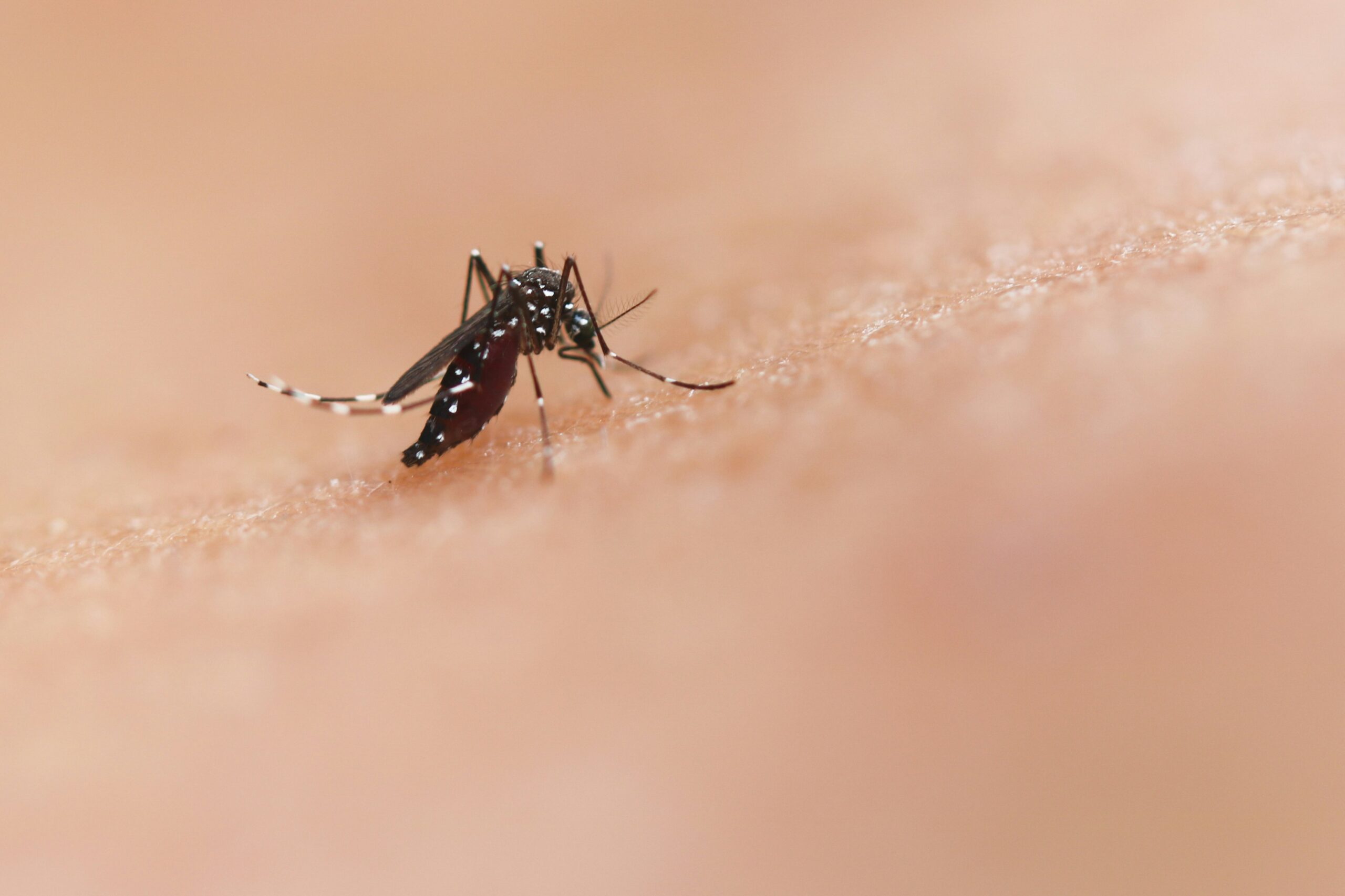
West Nile virus is primarily transmitted through the bites of infected mosquitoes. Mosquitoes of the Culex genus play an important role in transmission. They mainly acquire the virus from infected birds and can subsequently transmit it to humans or other animals. Direct person-to-person transmission through normal contact does not occur.
Andalusian authorities are therefore monitoring not only cases of infection but also mosquito populations. As early as June, the Junta activated an extensive surveillance network with 120 additional traps and brought together data from around 215 monitoring sites operated by various authorities and institutions.
Most infections are mild
An infection with West Nile virus does not necessarily result in severe illness. Many people who become infected develop no symptoms at all or only mild ones. When symptoms do occur, they can include fever, headaches, fatigue, as well as muscle and joint pain.
In rare cases, however, the virus can affect the nervous system, potentially causing conditions such as meningitis or encephalitis. Such neuroinvasive forms can be particularly dangerous for older people and those with underlying health conditions.
The latest figures from Andalusia highlight the varying severity of the infections: of the 62 confirmed cases, 24 were neuroinvasive.
Authorities urge people to protect themselves against mosquito bites
The Junta de Andalucía is urging people in affected areas to take steps to protect themselves against mosquito bites. This includes using suitable insect repellents and wearing clothing that covers as much of the body as possible. Mosquito nets and window screens can also help keep mosquitoes out of homes. Where necessary, appropriate insecticides for indoor use can also be used.
At the same time, potential mosquito breeding sites around homes and properties should be eliminated. In particular, stagnant water in flowerpots, buckets, toys, paddling pools or other containers should be avoided. Swimming pools and other water sources should also be maintained regularly, as mosquitoes can breed particularly well in stagnant water.
Extensive testing across Andalusia
The authorities expanded West Nile virus surveillance early this year. As part of the health monitoring programme, 636 people have so far undergone laboratory testing to detect or rule out a possible infection, according to the latest figures.
In addition, 128 cases of viral meningitis were screened for arboviruses. Blood donations are also being monitored. Between 1 June and 30 August, a total of 5,369 tests were carried out on blood donors.
Virus surveillance continues
The situation in Málaga shows that the West Nile virus season in Andalusia continues to require close monitoring. The Junta had already put an extensive surveillance system in place ahead of the current season. In June, no human cases or virus circulation had initially been detected in the mosquitoes tested. At the same time, authorities had already warned of rising mosquito populations.
The situation has changed significantly since then. With 62 confirmed human cases and the first case in Málaga, several provinces are now affected. For Pizarra, the latest detection means increased monitoring of mosquito populations and potential breeding sites. The authorities are seeking to minimise the risk of further infections as much as possible.
What does the case mean for Málaga?
The detection in Pizarra is particularly significant because it marks the first confirmed human infection in the province of Málaga this year.
A single case does not mean that the virus has spread across the entire province. At the same time, the detection shows that transmission to humans is possible and that the existing measures to monitor mosquito populations remain necessary. Health authorities are therefore continuing to focus on surveillance, mosquito control and protecting the public from mosquito bites.
The situation remains under close observation. Pizarra will remain under a heightened alert level until 1 October, while authorities in Málaga and other parts of Andalusia continue to monitor mosquito populations and look out for possible new infections.