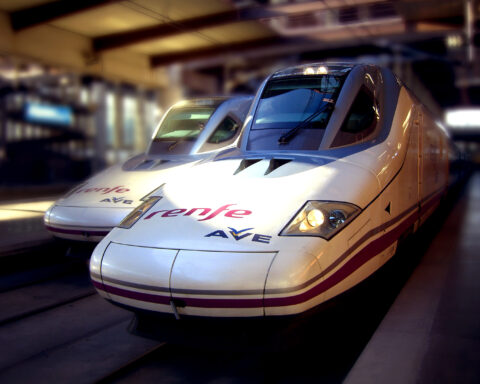
The death toll from the devastating train collision on the Madrid–Seville high-speed railway line is feared to have risen to 64, according to the latest media reports. The figure has yet to receive final official confirmation. As recovery operations continue, attention is increasingly turning towards Spain’s Transport Minister, Óscar Puente, who is expected to provide answers about a disaster that has once again raised serious questions over the safety of the country’s high-speed rail network.
Spain Expat Press Editorial Team
What unfolded on Wednesday morning on the high-speed railway line between Madrid and Seville is emerging as one of the deadliest rail disasters in Spain’s recent history.
Near Urda, in the province of Toledo, an AVE high-speed train operated by the state-owned railway company Renfe collided with a train belonging to private operator Iryo, according to initial reports.
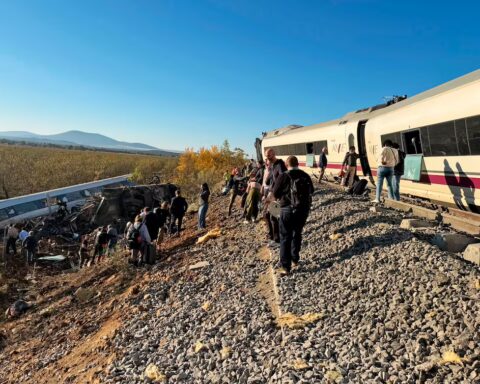
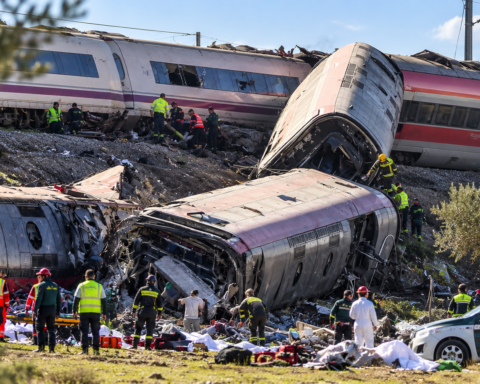
Several carriages derailed, with two reportedly plunging down a railway embankment.
Throughout the morning, new information has continued to emerge, revealing the increasingly devastating scale of the tragedy.
Death Toll Rises from an Initial Ten to a Reported 64
The authorities initially confirmed ten fatalities. As the morning progressed, the reported death toll rose sharply, first to 30, then to more than 40, and subsequently to at least 50.
The latest media reports now put the number of fatalities at 64, although this figure has yet to be conclusively confirmed by the relevant authorities.
The rapidly changing figures reflect both the scale of the disaster and the difficulties faced by emergency services in establishing an accurate death toll in the immediate aftermath of such a major incident.
While the injured have reportedly been evacuated from the affected trains, recovery operations remain under way at the scene.
More Than 540 People Were Travelling on the Two Trains
According to Spain’s public broadcaster RTVE, 397 passengers were travelling aboard the AVE service, while a further 147 people were on the Iryo train.
In total, more than 540 people were directly affected by the collision.
The force of the impact was enormous.
Several carriages were severely damaged, with some reportedly thrown from the tracks and others left almost completely destroyed.
Photographs and video footage from the scene show twisted metal, wrecked carriages and debris scattered along the railway line.
Footage recorded by passengers in the immediate aftermath of the collision also provides a disturbing glimpse of the chaos and devastation.
Hospitals Mobilised as Emergency Services Respond
Providing urgent medical assistance to the injured became one of the emergency services’ immediate priorities.
Toledo University Hospital suspended scheduled operations to make operating theatres and medical staff available for casualties from the crash.
Other hospitals across the region were also placed on alert.
The regional government of Castilla-La Mancha issued an appeal for blood donations.
Emergency medical teams, firefighters, police officers and rescue workers were deployed to the scene in a large-scale response.
Spain Awaits Answers from Transport Minister Óscar Puente
As reports of the rising death toll continue to emerge, public attention is increasingly focusing on Spain’s Transport Minister, Óscar Puente.
The minister is expected to address the disaster, with the public awaiting an explanation of the circumstances surrounding the collision and any initial findings concerning possible technical or safety failures.
The tragedy is particularly troubling given its proximity to another major railway disaster earlier this year.
In January, 46 people lost their lives in a devastating rail accident near Adamuz, in the province of Córdoba.
Now, just nine months later, Spain is confronting another catastrophic train crash, potentially involving an even greater loss of life.
Two disasters of such magnitude within a single year inevitably raise serious questions about railway safety, infrastructure maintenance and the effectiveness of existing monitoring and control systems.
There is, however, no evidence at this stage to suggest that the two accidents share a common technical or structural cause.
How Could Two High-Speed Trains Collide?
The central question is as simple as it is troubling: how could two high-speed trains travelling on the same railway line become involved in such a devastating collision?
According to preliminary information, the AVE train struck the Iryo service travelling ahead of it.
Precisely why the railway’s safety systems failed to prevent the collision remains unclear.
Investigators are expected to examine the technical protection systems, communications between the trains and the signalling control centre, and the possibility of human or mechanical error.
At present, there are no conclusive findings establishing the cause of the accident.
Any attempt to assign blame before the investigation has been completed would therefore be premature.
Nevertheless, Transport Minister Óscar Puente will face difficult questions about how such a disaster could occur on one of Spain’s most important high-speed railway routes.
A Renewed Test of Confidence in Spain’s High-Speed Rail Network
Spain operates one of the largest high-speed railway networks in the world.
For decades, the AVE has been regarded as a symbol of the country’s modernisation and one of the most significant achievements of its transport infrastructure.
Millions of passengers rely on high-speed services connecting Madrid with Andalusia, Barcelona, Valencia and numerous other destinations every year.
It is precisely because of this reputation that major accidents on the network have such a profound impact on public confidence.
Following the Adamuz disaster in January, the latest tragedy is likely to intensify the national debate surrounding investment, maintenance, technical supervision and political accountability.
Questions about whether sufficient resources have been allocated to maintaining and modernising the railway network are likely to feature prominently in the coming days.
Spain in Shock as the Country Mourns
High-speed rail services between Madrid and Andalusia remain suspended following the collision, causing significant disruption for passengers.
Yet while railway operators and the authorities work to manage the consequences of the accident, the families of those involved face far more distressing uncertainties.
Who has survived? Who is being treated in hospital? And who will never return home?
Spain is facing a day of profound grief.
Should the reported death toll of 64 be officially confirmed, the Toledo disaster would rank among the deadliest railway accidents in Spain’s recent history.
As rescue and recovery teams continue their work, the country is demanding answers.
And those answers are now being sought, above all, from Transport Minister Óscar Puente.
Spain Expat Press will continue to report on developments, including official statements from the Ministry of Transport and the findings of the investigation.