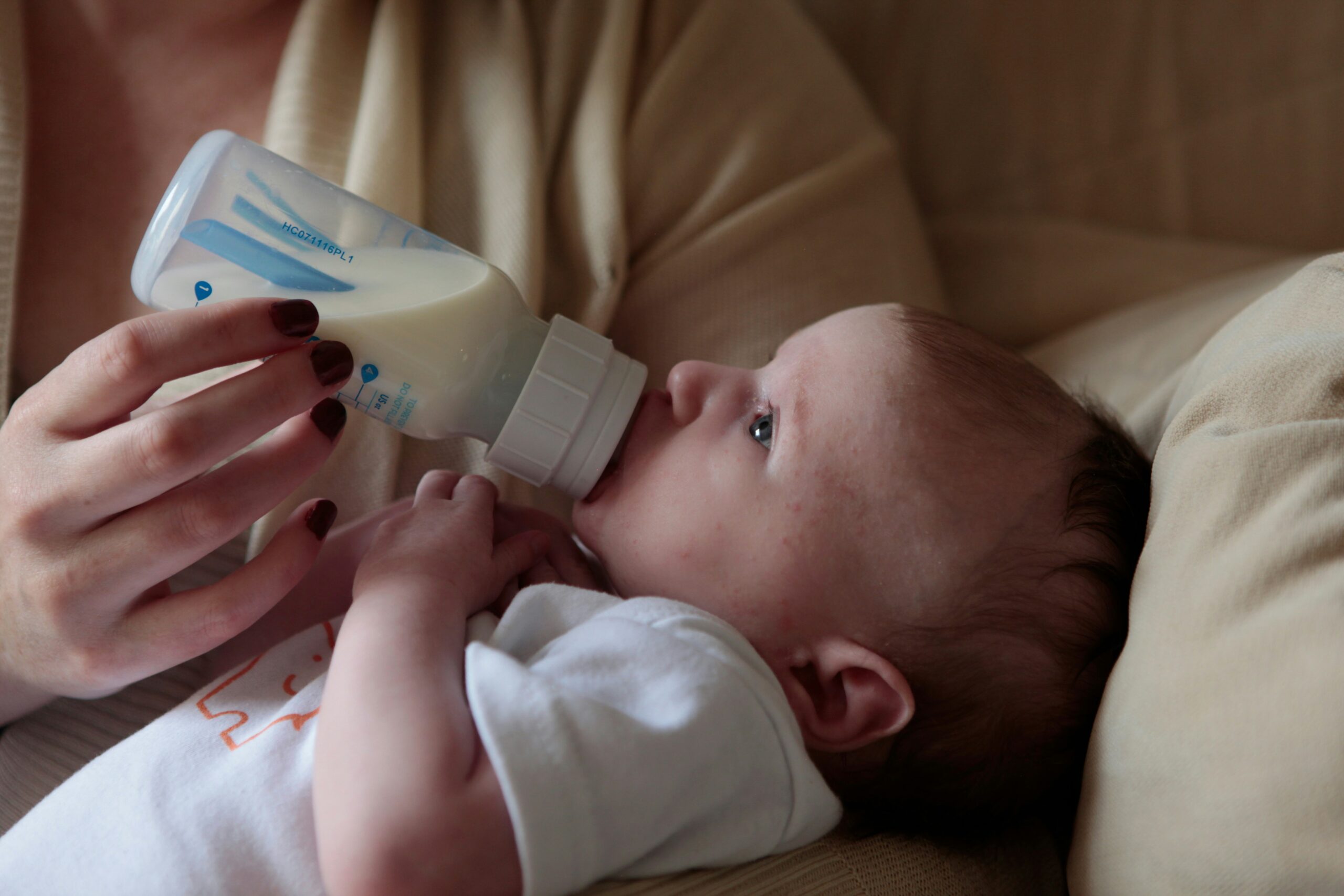
Spanish health authorities have stepped up surveillance after several possible cases of illness in infants were reported in connection with potentially contaminated infant formula. The focus is on a suspected presence of cereulide, a heat-stable toxin produced by the bacterium Bacillus cereus.
Spain Press Editorial Team
According to the Agencia Española de Seguridad Alimentaria y Nutrición (AESAN), eight suspected cases have been recorded in Spain since December. Five of the affected babies were admitted to hospital as a precaution. All have since been discharged and are reported to be in stable health.
Difficulties in establishing a clear cause
Health authorities stress that no definitive link has been established between the reported symptoms and the consumption of infant formula. In most cases, symptoms were limited to mild gastrointestinal disturbances such as diarrhoea — conditions that are relatively common in infants.
Spain’s Ministry of Health has also pointed out that determining a direct causal relationship is particularly complex. Infant formula is widely consumed, yet no unusual increase in the expected number of such cases has been observed. Moreover, severe intoxication would require significantly higher toxin levels, which have not been detected in the affected infants.
Precautionary product recalls
Despite the absence of confirmed causality, several batches of infant formula have been withdrawn from the market as a precaution since December.These measures extend beyond Spain and affect around 60 countries worldwide, including many across Europe.
A wider European context
The suspected cases in Spain form part of a broader European picture. In France, authorities have reported several confirmed cases and additional suspected ones, and are investigating two infant deaths in possible connection with the contamination. Belgium and the United Kingdom have also reported ongoing investigations and suspected cases.
Advice to parents
Spanish authorities are urging parents to follow official safety alerts closely and to avoid using any affected product batches. At the same time, they emphasise that these actions are preventive in nature and that there is currently no general warning against the use of infant formula.
The reinforced epidemiological monitoring may lead to further suspected cases being identified in the coming days — not necessarily because more infants are falling ill, but because surveillance has become more systematic and rigorous.