A country that lives outside
In Spain, there is one constant that even economic crises fail to break: the bar on the corner is always busy. According to a recent study by Circana, Spaniards eat out an average of 152 times a year — almost three times a week. In total, around €43.5 billion is spent annually in cafés, bars and restaurants. These figures make one thing clear: eating out in Spain is not a luxury, but part of everyday life. Even as prices rise and economic uncertainty grows, people do not give it up — they simply adapt and carry on
Spain Press Editorial Team
Europe’s highest density of bars
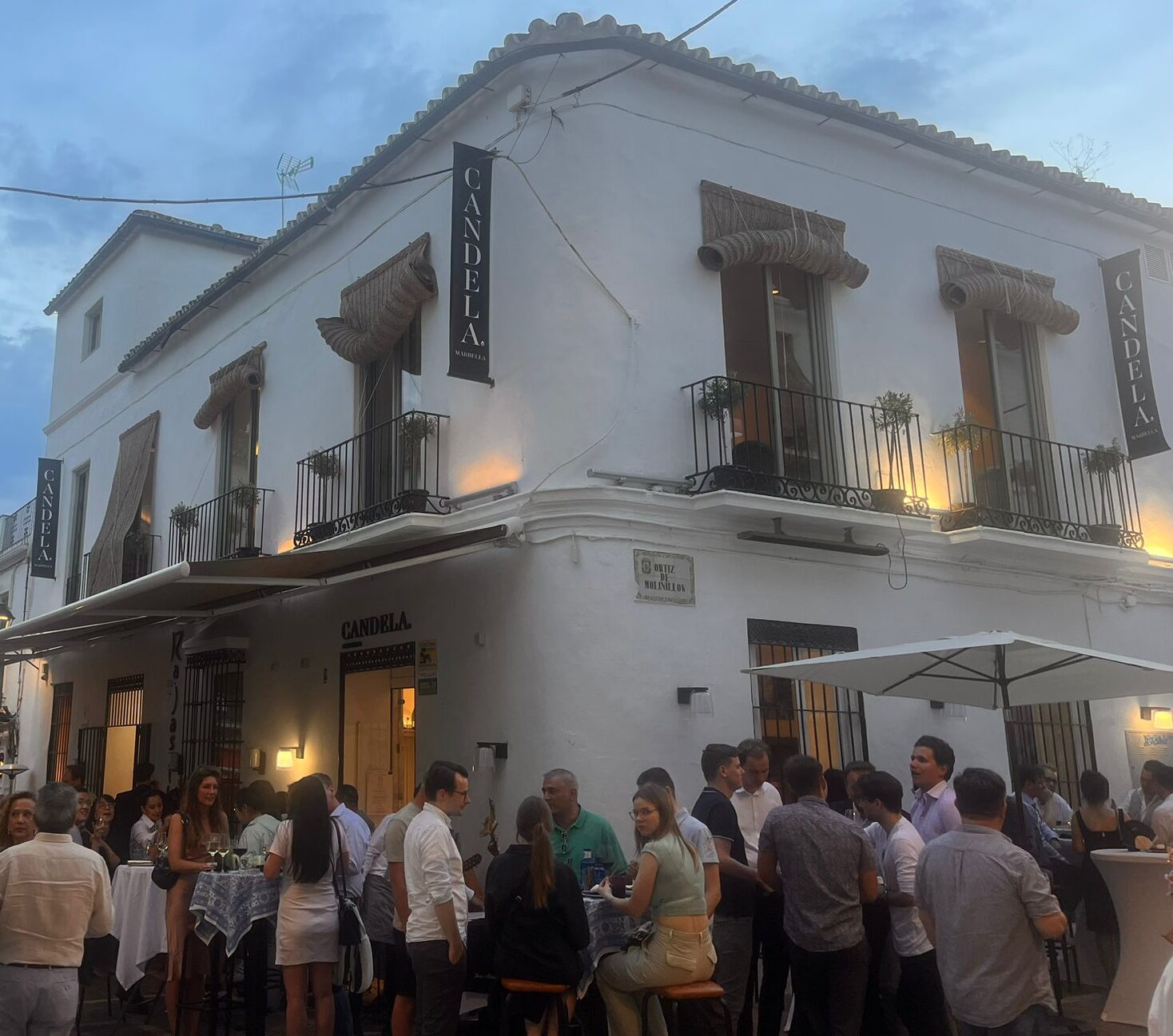
This reality is also reflected in the country’s infrastructure. Spain is widely considered one of the countries with the highest number of bars per capita, with estimates suggesting one establishment for roughly every 175 to 200 people. But these are not just places to eat — they are social hubs, extensions of the home, part of the urban fabric. That is precisely why giving them up is not an option. A coffee, a tapa, a beer — often that is all it takes to stay connected to daily life.
Tapas: the culture that makes it work
Perhaps this is the real secret. Tapas and pinchos make eating out flexible, spontaneous and affordable. In Spain, it does not have to be a full meal. Sometimes it is just a quick stop: one tapa, one beer, a short conversation. While in many northern European countries dining out tends to be planned, reserved and tied to a specific occasion, in Spain it simply happens. You step outside, meet someone, and within minutes you are sharing a table — or standing at the bar.
Why bars outperform traditional dining tables
There is also a clear lesson here for the hospitality industry. Bars, high tables and stools are not just design choices — they are essential for generating revenue. They encourage exactly the kind of behaviour that defines Spain: quick, spontaneous visits. A beer at the bar, a small bite, another round. High turnover, faster decisions, more consumption. While seated tables can limit flow, the bar creates movement — and movement drives business.