
Spain Expat Press Editorial Team
by Marlon Gallego Bosbach
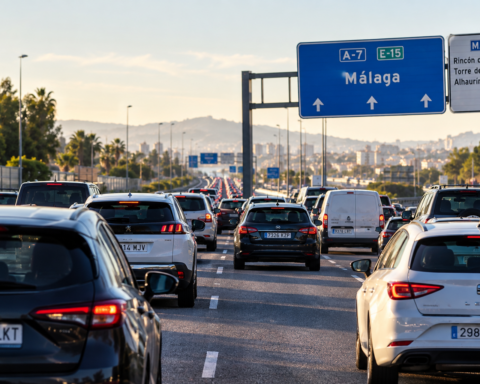
Rising rents are forcing more and more residents out
The cause of this development lies in a housing crisis that has been growing for years. In Málaga, rental prices have risen sharply while, at the same time, the availability of long-term rental accommodation has been shrinking. Particularly affected are local residents on middle and lower incomes, who can barely afford the regular rental market anymore.
Many properties are also being converted into holiday rentals or let out to tourists on a short-term basis. The pressure from the tourism boom and investors has further intensified the housing market, causing traditional long-term rental homes to increasingly disappear from the market or to be offered at significantly higher prices.
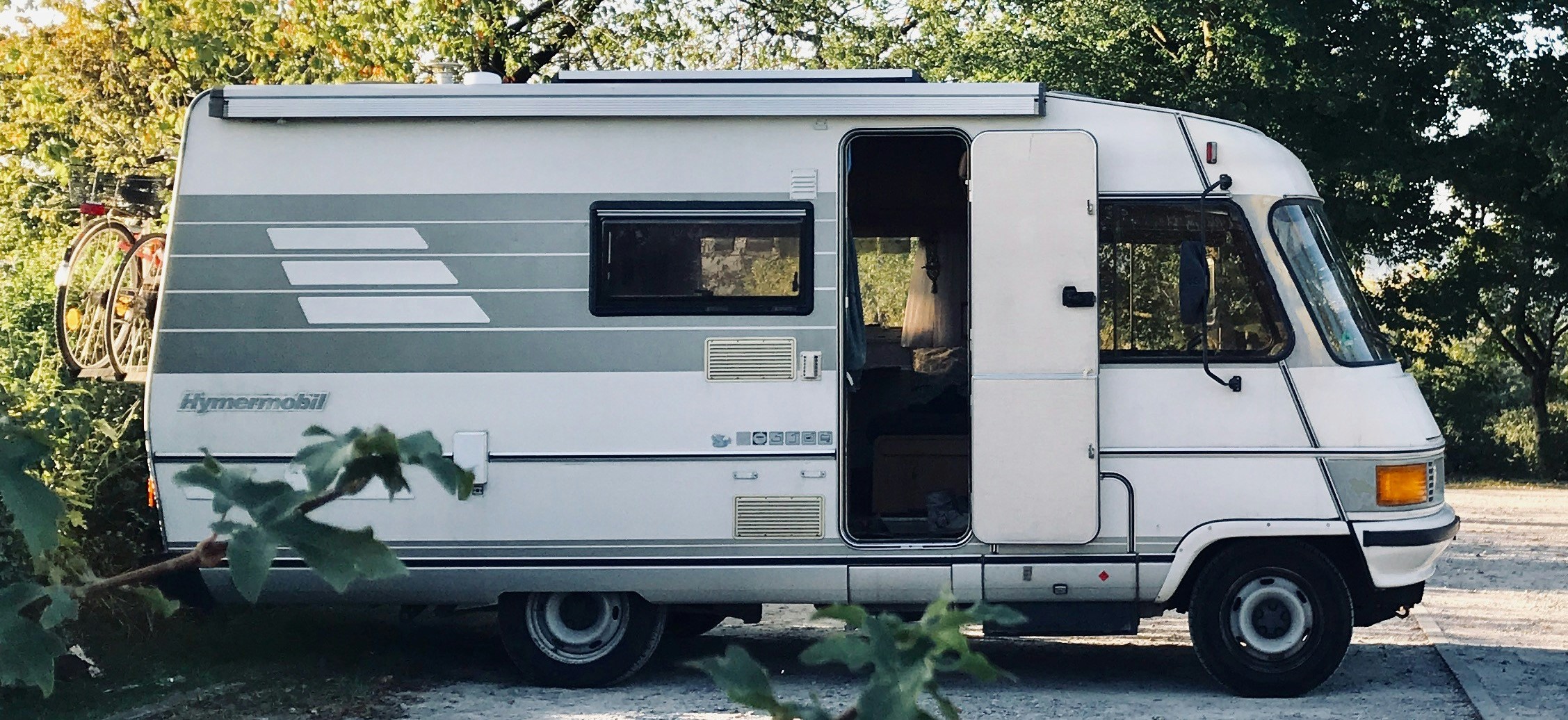
Motorhomes as a last resort
More and more people are therefore turning to motorhomes and vans. In various districts and outlying areas, informal parking sites are emerging where people are living permanently in their vehicles. This development is no longer limited to marginalised groups, but now affects a range of different social classes.
Those affected are not only people without work, but also employees in stable jobs as well as pensioners who, despite a regular income, can no longer find affordable housing. The vehicles are often converted into makeshift living spaces, where daily life is organised in extremely confined conditions and life is increasingly reduced to the bare essentials.
Precarious living conditions in everyday life
Life in these mobile dwellings is, however, associated with significant limitations. Many of those affected have no access to running water and are reliant on public facilities or improvised solutions. Sanitary facilities are also usually completely lacking, which further complicates everyday life. Electricity supply is often unreliable and, if available at all, is provided through small solar panels or external battery systems.
In addition, many of the parking areas are not officially authorised and therefore offer no legal or infrastructural protection. Despite these difficult conditions, many of those affected have no other option, as even basic rental accommodation has become financially out of reach.
Visible social divide in the city
The development is leading to increasing social polarisation in Málaga. While investment in high-end properties, hotels, and holiday apartments continues in central locations and tourist-heavy districts, an almost invisible parallel reality of mobile living arrangements is emerging on the outskirts of the city.
In some areas, larger groups of motorhomes have already settled, effectively functioning as permanent communities, even though they do not officially hold such status. This development is making the social divide within the city increasingly visible.
Housing market under pressure
Experts see the causes of the crisis as rooted in several structural factors. These include, in particular, the sharp increase in holiday rentals, which are displacing long-term housing. At the same time, too little new affordable housing is being built, especially in the social rental sector. High demand from the international property market and tourism is also contributing to further price increases.
As a result, a housing market is emerging that is no longer accessible to many local residents, with the gap between supply and demand continuing to widen.
Growing political pressure to act
The housing issue has now become a central political topic in Málaga. Calls for stricter regulation of holiday rentals, rent controls, and more social housing are growing louder, coming from both civil society and political actors.
Social organisations are increasingly warning that, without effective countermeasures, more and more local residents could be pushed out of the city. Concerns are growing that Málaga could, in the long term, become a city where housing is barely accessible for large sections of the population.