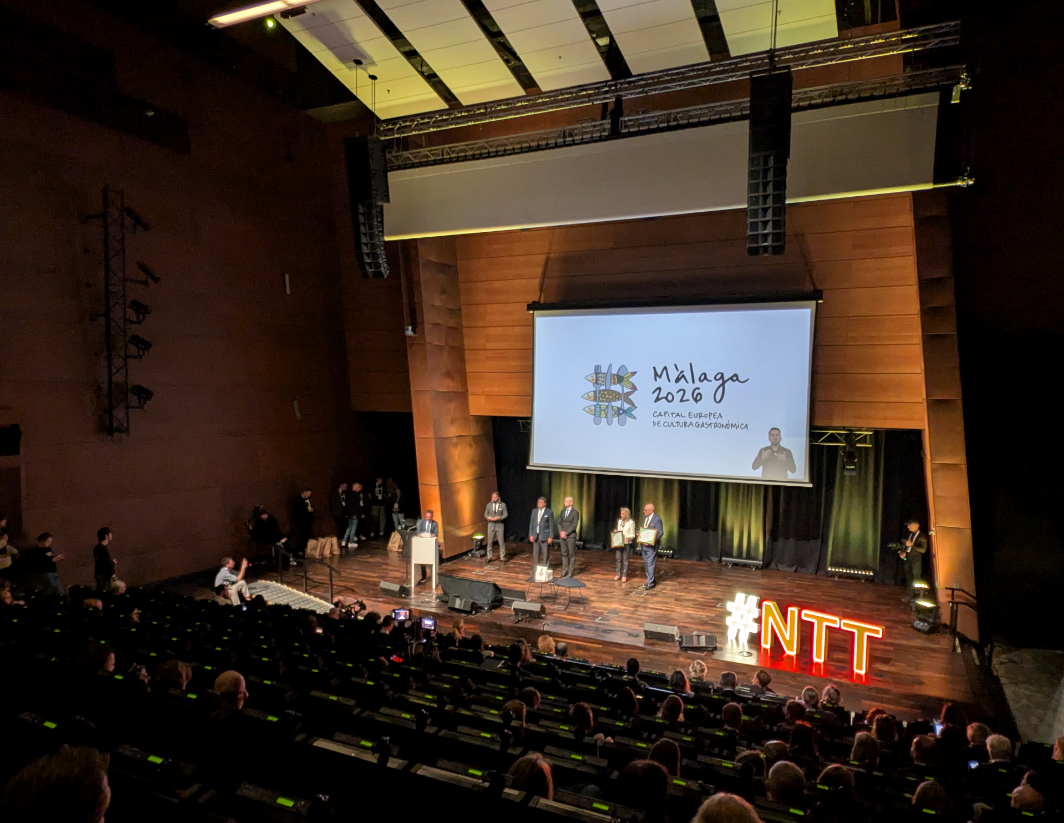
Málaga has done it: the Andalusian coastal metropolis has officially been named the “European Capital of Gastronomic Culture 2026” – an accolade that goes far beyond mere symbolism. The decision was announced in mid-April in Gdańsk, Poland, as part of a European gastronomy congress. Behind the award is the European Community of New Gastronomy (ECNG), which each year selects cities that set benchmarks in culinary, cultural and strategic terms.
Spain Expat Press Editorial Team
by Marlon Gallego Bosbach
But what does this title really mean – and why has it been awarded to Málaga דווקא now?
A year dedicated to gastronomy
The so-called “Gastronomy Capital” is not a one-off event, but an entire programme: from March 2026 to March 2027, Málaga will become the stage for a dense network of events, congresses and culinary initiatives. Planned activities include international industry gatherings, live cooking demonstrations, workshops and public events designed to appeal to both tourists and locals alike.
It is not just about enjoyment. The organisers pursue a clear objective: to make gastronomy visible as a unifying element between culture, the economy and society. Sustainability, innovation and the exchange of knowledge play a central role in this.
Why Málaga?
It is no coincidence that Málaga has received this title. In recent years, the city has undergone a remarkable transformation: moving away from being purely a sun-and-beach destination towards a diverse cultural and culinary hotspot.
A key factor is the combination of tradition and modernity. Classic dishes such as espetos (grilled sardines) or ajoblanco now stand alongside innovative Michelin-starred cuisine on equal footing. At the same time, the promotion of regional products – such as under the “Sabor a Málaga” brand – has been actively and strategically advanced.
In addition, there is a growing gastronomic ecosystem: in a relatively short period of time, Málaga has established itself in the field of fine dining as well, producing several Michelin-awarded restaurants. However, according to local officials, it is precisely the breadth of the scene – from simple market stalls to haute cuisine – that makes the difference.
The sardine as a symbol of an entire region
The visual identity of the Gastronomy Capital is also striking: at its centre is the sardine – a deliberately chosen symbol. It represents the connection to the sea, simplicity, authenticity and the deeply rooted culinary culture of the region.
At the same time, the logo reflects the entire value chain: producers, chefs and guests are presented as equal components of the culinary experience.
More than enjoyment: an economic driver
Behind the designation also lies a clear economic strategy. Gastronomy has long become a key factor in international tourism. According to local officials, many visitors now travel specifically for culinary experiences – often with higher purchasing power than traditional holidaymakers.
For Málaga, the award therefore means above all one thing: a further strengthening of its international position. The city aims to establish itself in the long term as a year-round destination, independent of the traditional peak tourist season.
A strategic shift
The designation as Gastronomy Capital is therefore not an isolated event, but part of a broader transformation. For years, Málaga has been pursuing a clear strategy: diversifying tourism, enhancing local products and strengthening international connectivity.
Gastronomy is increasingly becoming the centrepiece of this development – as a cultural expression, an economic driver and a marker of identity all at once.
Conclusion
In 2026, Málaga will stand for more than just good food. The city is becoming a symbol of a new way of travelling – one in which gastronomy, culture and sustainability are inextricably linked.
Or, in other words: those who travel to Málaga in the future may come for the sun – but they will stay for the taste.