The migration crisis in Ceuta is now also generating growing pressure on the Spanish government at the European level. The European Commission is calling on Prime Minister Pedro Sánchez to find an urgent solution to the persistently tense situation in the Spanish enclave on the North African coast.
Spain Expat Press Editorial Team
by Marlon Gallego Bosbach
EU Migration Commissioner Magnus Brunner made it clear in the European Parliament that individuals who have reached Ceuta without a right of residence must be returned as quickly as possible. At the same time, Morocco must cooperate more closely on readmission and the prevention of further irregular migration.
This is increasingly turning the situation in Ceuta into a European issue. Although the city lies within Spanish territory, its border with Morocco is also an external border of the European Union.
Brussels calls for rapid returns
Brunner emphasized that Spain must fully implement the European Pact on Migration and Asylum. Rapid returns must be organized for individuals who have no right to stay in Spain.
In doing so, the EU is also relying on cooperation with Morocco. In the Commission’s view, the situation can only be resolved if Rabat genuinely cooperates in the readmission of the individuals concerned.
Brussels also expects Morocco to take stronger action against smugglers and illegal departures. The EU aims to prevent a recurrence of the situation seen at the border with Ceuta.
Sánchez is opting for a longer timeline
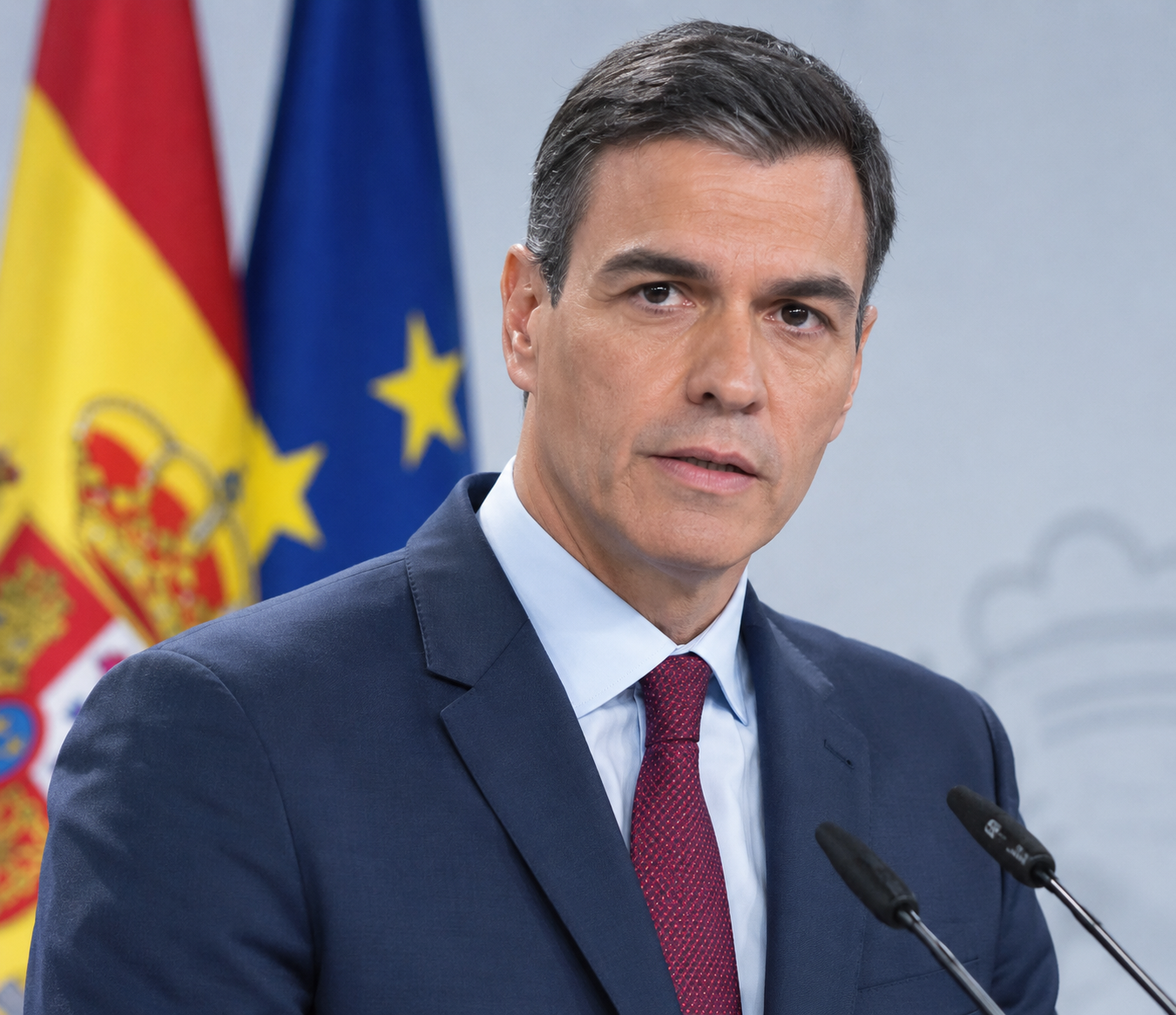
The demand from Brussels increases the political pressure on Pedro Sánchez. While the EU Commissioner speaks of an urgent solution, the Spanish government has cited a significantly longer timeframe; Sánchez expects to stabilize the situation in Ceuta by the end of 2026.
For Brussels, however, the matter is not merely a question of Spanish domestic politics. The Commission views the events as a crucial test for the common European migration policy and the protection of the EU’s external borders.
Ceuta becomes a stress test for the EU
For the European Union, Ceuta is a special case. The Spanish city is located on African soil and borders directly on Morocco. At the same time, it belongs to Spain and, by extension, to the European Union. Brunner therefore described the situation as a “stress test” for the EU.
The Commission does not currently consider the functioning of the Schengen Area to be fundamentally at risk. Nevertheless, recent developments demonstrate how difficult protecting Europe’s external borders can become when large numbers of people attempt to cross a border within a short period. Brussels therefore intends to involve the European border agency, Frontex, more closely.
Morocco is expected to assist with returns
Morocco plays a central role in this regard. Without the consent and practical cooperation of the Moroccan authorities, large-scale returns to the neighboring country would be difficult to implement.
According to information from the European Parliament, the Moroccan mission to the EU and NATO has reportedly signaled that Rabat is prepared to readmit the people affected by the crisis. This group is said to include not only Moroccan nationals but also unaccompanied minors and nationals of other countries.
However, the political assessment of this pledge is disputed. According to their own statements, not all Members of the European Parliament received the relevant notification. Consequently, the actual implementation of the readmissions remains an open question.
The number of people still in Ceuta is disputed
There are also varying figures regarding the current situation. The Spanish government estimates that several hundred to around 1,000 minors remain outside regular accommodation.
At the same time, significantly higher figures are circulating regarding the total number of people said to have remained in Ceuta. However, these figures partly refer to different groups and points in time.
Precise categorization is therefore important: in the political debate, the number of people who originally reached Ceuta, the number of individuals still there, those returning voluntarily, and minors are not always consistently distinguished from one another.
At the same time, the Spanish government pointed out that more than 5,000 people had already voluntarily returned to Morocco.
PP accuses Sánchez of failure
The Spanish opposition is using the crisis to level sharp criticism at the government. The conservative Partido Popular (PP) speaks of a serious failure on the part of the Sánchez administration. MEP Dolors Montserrat even described the events as a form of “hybrid warfare” and accused the Prime Minister of failing to respond appropriately to the situation.
From the PP’s perspective, the government needs to better ensure border security while simultaneously ensuring the swift return of individuals without the right to remain. The conservative opposition views the demands from Brussels as a vindication of its criticism of Sánchez.
Social Democrats warn against political instrumentalization
The Social Democrats reject this characterization. Iratxe García, leader of the Social Democratic group in the European Parliament, emphasizes instead the European dimension of the situation. Her message is: Ceuta is Spain, and Ceuta is Europe.
At the same time, the Social Democratic side warns against instrumentalizing the migration crisis for political disputes. Europe must act jointly at its external borders and show solidarity with the affected regions.
This brings two different political approaches into conflict within the European Parliament: while the conservative side emphasizes security, border protection, and returns above all, the social democratic side places greater emphasis on European responsibility and the protection of human rights.
Vox also is calling for tougher measures
Vox’s reaction is even more vehement. MEP Jorge Buxadé speaks of an “invasion” and demands a significantly tougher response from Spain and the EU. Vox criticizes both the Sánchez government and Morocco, calling, among other things, for a stronger defense of Ceuta’s territorial integrity.
This choice of words is significantly more radical than the position of the EU Commission and the Spanish government and should accordingly be classified as a political assessment by the party.
Morocco rejects allegations
For its part, Rabat rejects allegations that Moroccan authorities deliberately facilitated the mass movement of people into Ceuta. At the same time, Morocco emphasizes its fundamental willingness to cooperate with Spain on issues of migration and border security.
This cooperation is of great importance to both sides. Spain relies on Morocco’s cooperation to control its southern external border. Morocco, in turn, plays a pivotal role for the EU in controlling the migration route across the western Mediterranean.
EU Commissioner travels to Madrid
The dispute is likely to gain further significance in the coming days. Magnus Brunner announced plans to travel to Madrid to discuss the situation with several members of the Spanish government. The talks are expected to cover issues such as returns, cooperation with Morocco, and the ongoing management of the migration situation.
This definitively turns the Ceuta crisis into an issue that is no longer negotiated solely between Madrid and Rabat. Brussels is demanding a swift solution and making it clear that the protection of Europe’s external borders is a shared responsibility.
For Pedro Sánchez, this means additional political pressure. The Spanish government must now demonstrate how it intends to repatriate the remaining people from Ceuta – or otherwise resolve their legal status – while simultaneously preventing a similar migration crisis from recurring at the border with Morocco.