The situation in Ceuta continues to deteriorate, with the Spanish enclave facing one of the most serious migration crises in recent years. According to various estimates circulating during the crisis, more than 40,000 people may have crossed or attempted to cross the border illegally, although this figure has not been officially confirmed. New arrivals continued throughout the morning, placing further strain on local authorities and emergency services
Spain Expat Press Editorial Team
Residents describe an atmosphere of growing fear and uncertainty. Many families have chosen to remain indoors as tensions continue to rise. Reports and images circulating online also appear to show alleged attacks on shops and disruptions to local businesses, although the full extent of these incidents has yet to be officially verified. For many locals, the sense of security has been severely shaken.
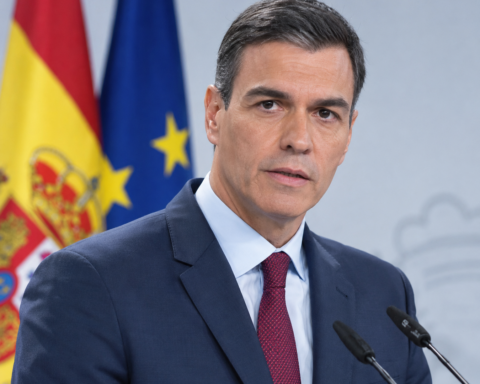
The crisis has sparked fierce political debate both in Spain and across Europe. Conservative and right-wing parties have sharply criticised Prime Minister Pedro Sánchez, accusing his government of failing to protect one of the European Union’s external borders. They are calling for significantly tougher migration policies, stronger border controls and a reassessment of the EU’s current approach to illegal migration.
According to critics of the government, the events in Ceuta are the direct consequence of Sánchez’s migration policy and what they describe as a growing “pull factor”, arguing that Spain’s approach has encouraged further irregular migration. Others dispute this assessment, pointing instead to a combination of geopolitical instability, poverty, organised people-smuggling networks and regional cooperation as the main drivers behind the current crisis.
As the political argument intensifies, the situation on the ground remains highly volatile. Ceuta continues to face extraordinary pressure, and many residents fear that the crisis is far from over.