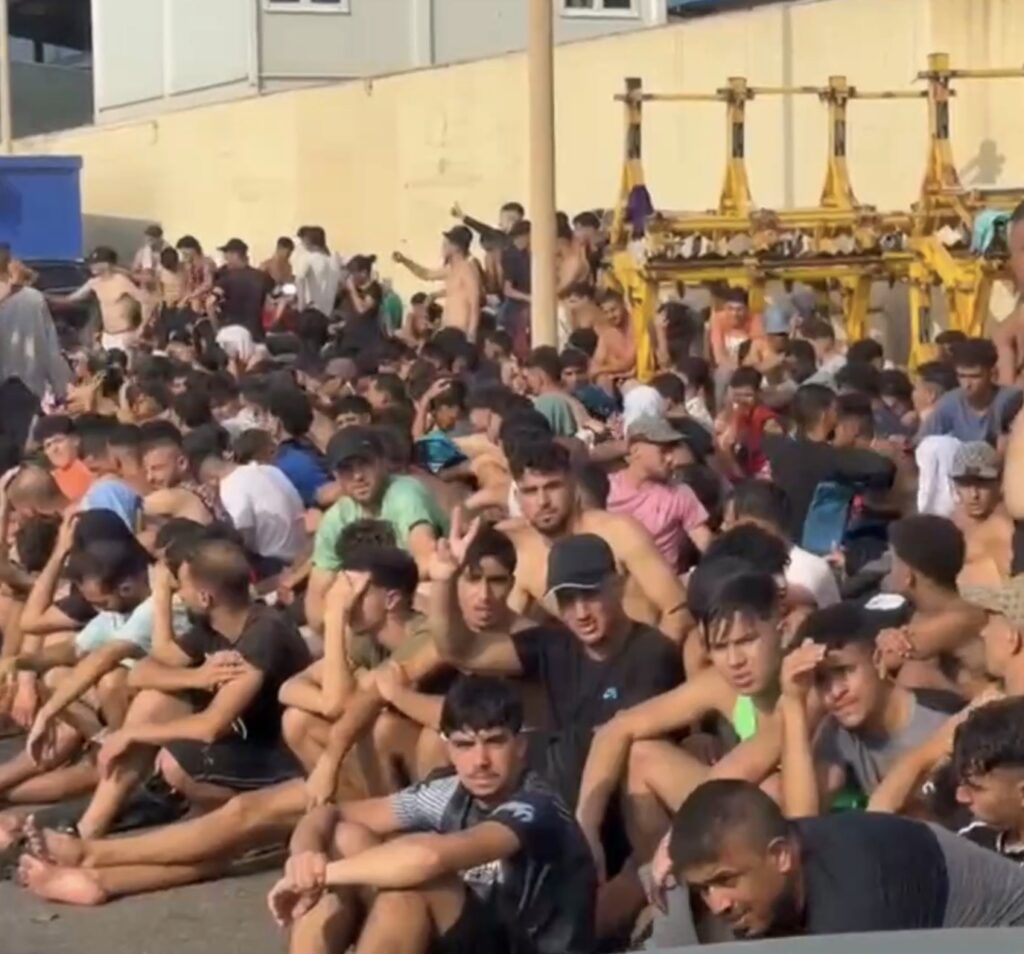
The migration situation at the European Union’s southern external border is once again causing political tensions within Europe. After the Spanish enclave of Ceuta faced an increased number of attempted border crossings, pressure on Spain has grown – along with criticism from other EU member states. Italy in particular has caused concern by announcing that it is considering possible restrictions to Schengen rules in relation to Spain.
Spain Expat Press Editorial Team
by Marlon Gallego Bosbach
The debate highlights how strongly European countries continue to struggle to find a common approach to migration policy. While some states are calling for tighter control of the EU’s external borders, Spain is warning against weakening European cooperation.
Ceuta once again at the centre of the migration crisis
The Spanish enclave of Ceuta is located on the North African coast and shares a direct border with Morocco. Together with Melilla, it forms the European Union’s only land border on the African continent.
For years, both territories have been among the most important points on migration routes towards Europe. People from various regions of Africa repeatedly attempt to enter the EU through these borders or by sea.
Recent developments in Ceuta have once again intensified the situation. Spanish authorities have increased security measures and strengthened the presence of police and border control forces in an effort to prevent further illegal border crossings. In addition, Spain has temporarily closed the border crossing between Melilla and Morocco.
Italy calls for stricter measures
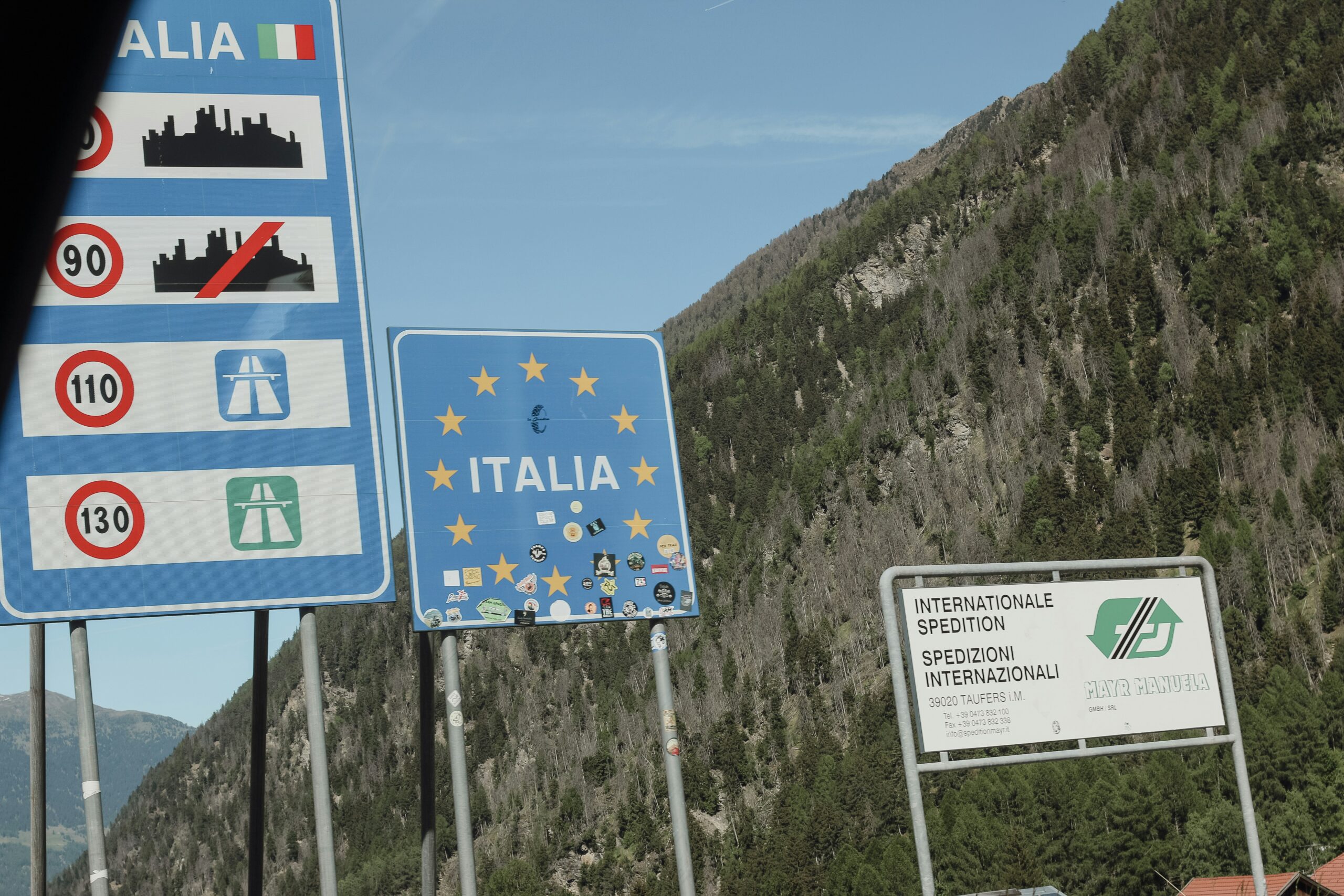
The government in Rome responded with sharp criticism and raised the possibility of measures within the Schengen area. Italy views the developments at Spain’s external border with concern and fears potential consequences for other European countries.
A possible suspension of certain Schengen rules would mean that stricter border controls between Spain and other EU member states could be reintroduced.
The move would be highly controversial politically, as the free movement of people is one of the European Union’s most important principles. For this reason, any restriction of the Schengen Agreement is considered an exceptional measure.
Madrid rejects criticism
The Spanish government responded to the accusations from Italy in a cautious but clear manner. Madrid emphasises that Spain has played a central role in protecting Europe’s external borders for years.
Spanish authorities point out that migration along the Western Mediterranean route is a European challenge and cannot be solved by individual member states alone.
Spain is therefore calling for greater solidarity within the EU and a common strategy for dealing with migration, border protection and cooperation with countries of origin and transit.
Cooperation with Morocco remains crucial
An important factor in Spain’s migration policy is cooperation with Morocco. Many migration movements towards Spain pass through Moroccan territory.
Madrid and Rabat have been cooperating for years on border controls, returns and the fight against smuggling networks.
For Spain, this partnership is crucial, as the country’s geographical location makes it one of the main entry routes into Europe.
Schengen under pressure
The dispute over Ceuta highlights a fundamental problem in European migration policy: the EU has common external borders, yet responsibility continues to be largely placed on individual member states.
Spain, Italy and other Mediterranean countries have been calling for stronger support from their European partners for years. At the same time, demands for tougher national measures are growing in some countries.
A possible restriction of the Schengen area would therefore not only affect Spain but would also trigger a broader debate about the future of European border policy.
The political debate in Europe
The events in Ceuta have sparked a new debate about migration, security and European responsibility.
While conservative political forces are calling for stricter controls and a more consistent reduction of irregular migration, other parties emphasise the importance of humanitarian obligations and international cooperation.
For the European Union, the challenge remains to find a common approach that balances border security and human rights.
What happens next?
The coming days and weeks will be crucial. Spain is working to stabilise the situation in Ceuta and prevent further tensions. At the same time, authorities are monitoring whether migration pressure at the border begins to ease.
A key factor will also be whether Madrid, Rome and the European institutions can find a common approach to dealing with the situation.
The crisis in Ceuta highlights once again that the EU’s southern external border remains one of Europe’s most challenging political flashpoints. The question of how Europe can manage migration while preserving its shared values remains unresolved.