In the days leading up to the highly anticipated World Cup semi-final between Spain and France, the spotlight has fallen on more than just the sporting contest between the two footballing nations. A remark by former Spanish Prime Minister Mariano Rajoy has ignited a controversy over racism, national identity and the question of who can be considered a ‘genuine’ representative of a country.
Spain Expat Press Editorial Team
At the heart of the discussion is the French national team, which for years has been seen as a symbol of France’s multicultural identity. Critics have accused Rajoy of expressing an exclusionary perspective towards players with migrant backgrounds. The controversy has provoked strong reactions in both France and Spain.
Controversy following remarks about the French national team
The controversy was triggered by remarks made by Mariano Rajoy about the French national team. The former prime minister commented on the strength of the French squad while questioning the extent to which the team could be considered French. Rajoy said France had a world-class squad, but claimed that there were no French players in the side. Many observers interpreted his comments as implying that players with family backgrounds outside France were not being recognised as fully representative of the nation.
It was this particular perspective that sparked widespread outrage. France’s national team is made up of players from a wide range of backgrounds, all of whom are French citizens representing the country internationally. For critics, the debate ultimately centres on whether national identity should be defined by ancestry or by citizenship and a shared sense of belonging.
France hits back with sharp criticism
The response from France was immediate. Figures from French football and politics condemned the remarks, accusing Rajoy of encouraging a racist interpretation of identity and belonging.
Philippe Diallo, president of the French Football Federation, emphasised that members of the national team did not need to prove their French identity. They are French citizens and represent their country on the international stage.
The French government also joined the criticism. Politicians argued that the national team reflected the diversity of French society and that a person’s origins or family background should not be used as grounds for questioning their national identity.
Spain’s government distances itself from the remarks
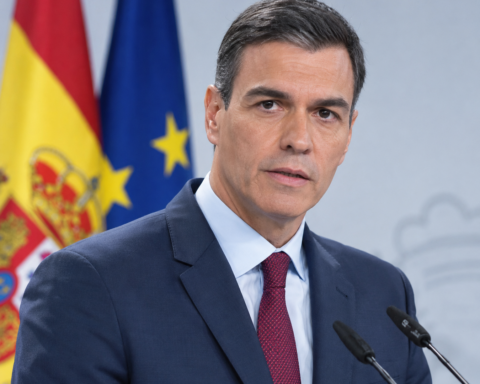
The remarks also triggered debate in Spain. Prime Minister Pedro Sánchez distanced himself from the comments of his political predecessor, making clear that identity should not be determined by a person’s name, origins or physical appearance.
Sánchez emphasised that people are part of a nation through their ties to a country, their rights and their contribution to society. He added that the sporting clash between Spain and France should be settled on the pitch rather than being overshadowed by debates over heritage or exclusion.
The French national team as a symbol of multicultural diversity
For decades, the French national team has been at the centre of wider debates about migration and integration. Many of its successful players have family backgrounds linked to African countries or other parts of the world. At the same time, many were born and raised in France and are fully integrated members of French society.
France’s 1998 World Cup triumph was widely celebrated around the world as a reflection of the country’s multicultural make-up. Two decades later, the squad that lifted the trophy in 2018 once again featured players from a diverse range of backgrounds.
For those who support a more inclusive understanding of national identity, the team demonstrates the diversity of modern societies. Critics of this approach, however, continue to raise questions about integration, cultural values and national identity.
Football and social debates are closely intertwined
The current controversy once again highlights that football has long been about more than just sport. Major tournaments frequently become platforms for wider political and social debates.
National teams, in particular, are seen as symbols of the nations they represent. As a result, questions of heritage, belonging and representation become especially important when players from diverse cultural backgrounds come together to represent the same country.
Experts view these debates as raising a fundamental question for society: Who can be considered part of a nation, and what criteria should determine a person’s sense of belonging?
Focus turns to the semi-final between Spain and France
Despite the controversy, the football itself remains at the heart of the Spain–France clash. Both teams rank among Europe’s most successful footballing nations and are battling for a place in the World Cup final.
However, the encounter is taking place against the backdrop of a debate that goes far beyond football. As the two teams battle for victory on the pitch, the wider discussion highlights the growing social significance of the modern game.
The controversy surrounding Mariano Rajoy highlights that questions of racism, integration and national identity remain highly significant in international sport.