The Spanish government expects that most of the unaccompanied minors who arrived in Ceuta at the end of July will remain in Spain. Youth Minister Sira Rego insists on legal protections for the children. At the same time, the dispute with the government of the autonomous city regarding their accommodation and a potential return to Morocco is intensifying.
Spain Expat Press Editorial Team
by Marlon Gallego Bosbach
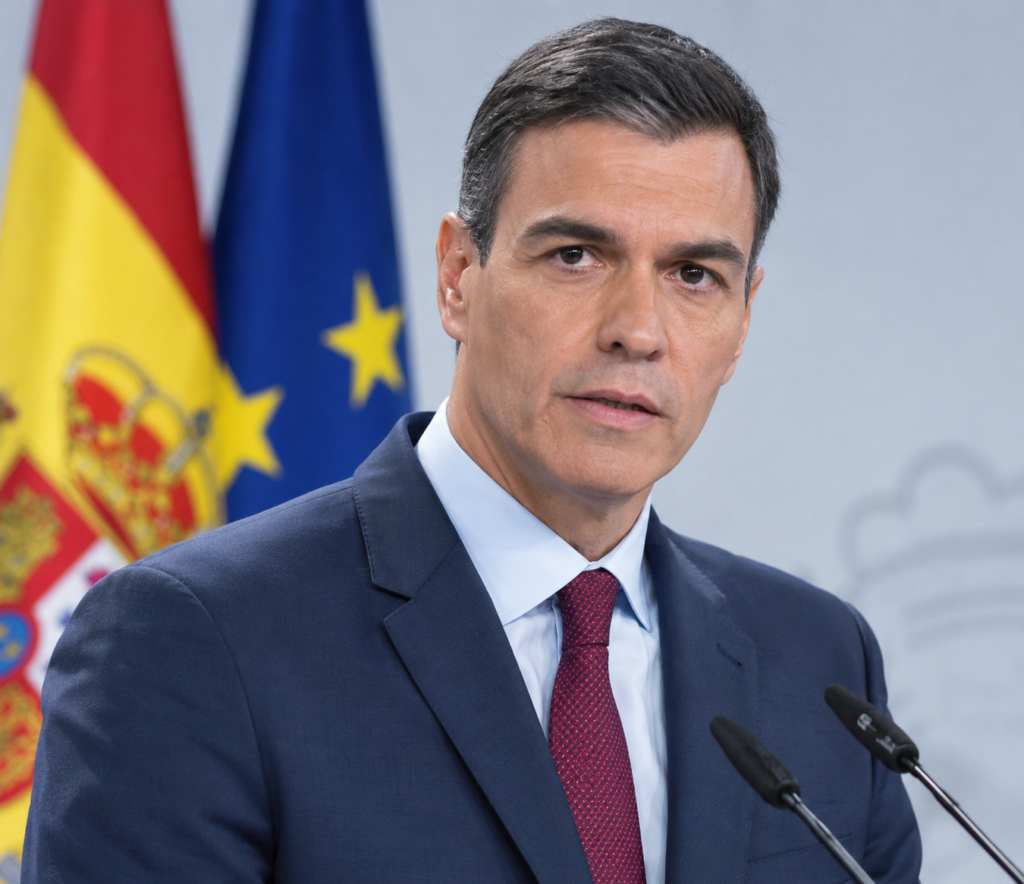
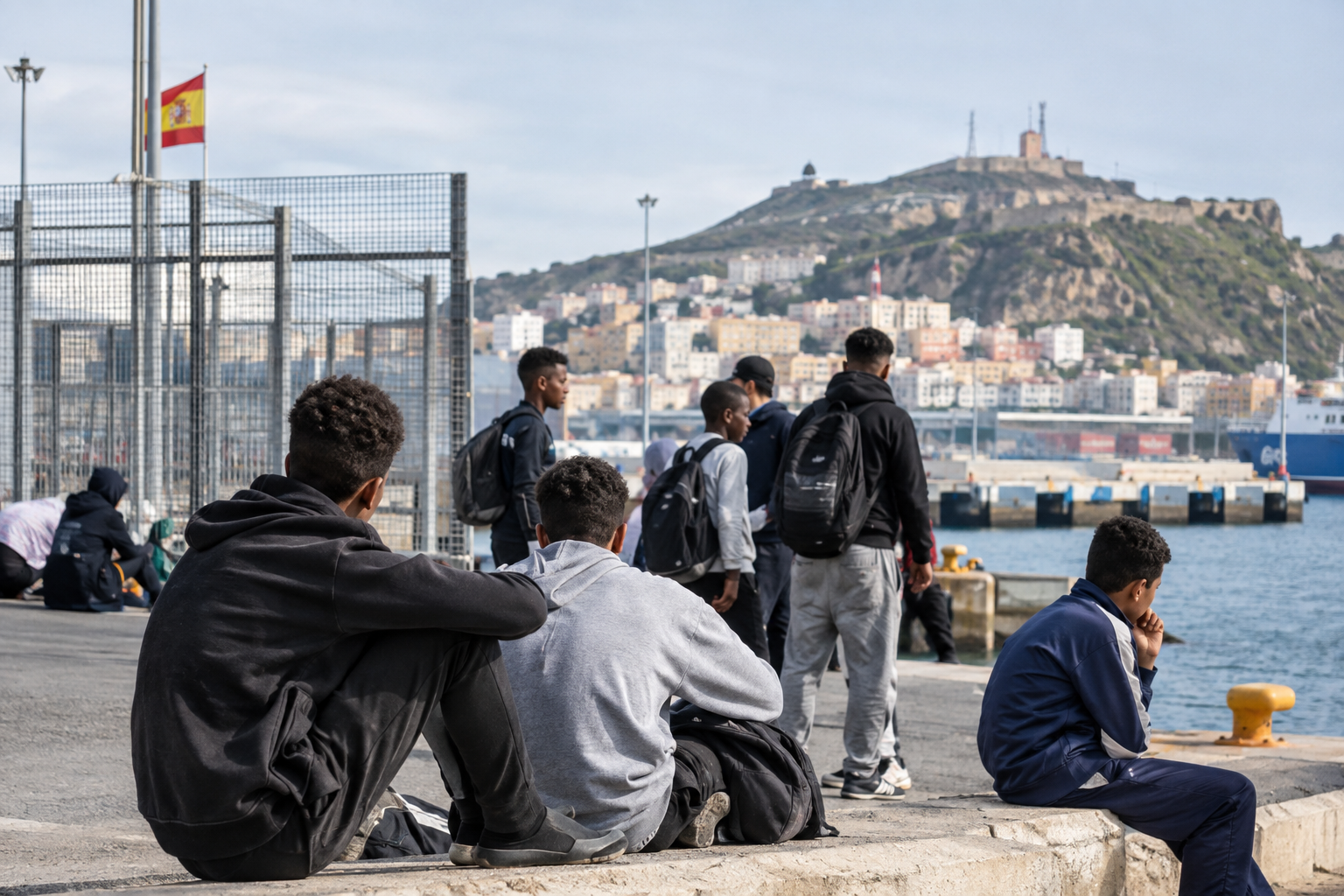
The Spanish government expects that the majority of unaccompanied migrant minors who arrived in Ceuta during the recent wave of migration will remain in Spain. Sira Rego, the Minister for Youth and Children, stated this on Monday.
“I believe that the majority wants to stay in Spain and will stay,” said Rego. She pointed to Spanish legislation, which grants protection to all children regardless of their nationality or origin.
As a result, the repatriation of a large number of the minors to Morocco—originally sought by the government—is increasingly receding into the background. The minister emphasized that the rights and well-being of the children must be taken into account in all decisions.
Thousands of minors in Ceuta – many still without accommodation
The situation in Ceuta remains tense. According to the minister, the authorities of the autonomous city are currently caring for around 2,200 unaccompanied minors. The Spanish ministry also estimates that another 500 to 700 children and young people are on the streets.
The figures highlight the challenges involved in housing and caring for the minors. Local facilities are under considerable pressure. Rego is therefore calling for the affected children to be transferred to the Spanish mainland as quickly as possible. This is intended to relieve the situation in Ceuta and ensure appropriate care.
Government demands relocation to the mainland
The minister criticized the fact that the planned relocation was not being carried out as intended. She accused the government of Ceuta of exploiting the children’s situation for political disputes.
Rego stated that she could only conclude that the minors were being used for political purposes. At the same time, she pointed to her past cooperation with the president of the autonomous city, Juan Jesús Vivas.
The minister called for better coordination among the agencies involved. In her view, the care of the children must take precedence over political differences.
Return to Morocco remains legally complicated
The Spanish government had originally aimed to reunite the minors with their families in Morocco whenever possible. However, a return is not automatically possible.
In every case, family circumstances must be examined and the interests of the child in question taken into account. This also includes assessing living conditions in the event of a possible return and considering the minor’s opinion.
Moreover, cooperation with Morocco regarding family reunification is proving difficult. Rego acknowledged that obstacles remain in this regard. The minister made it clear that legal protections for minors apply regardless of their origin. Consequently, a blanket return of all children who have arrived in Ceuta is not envisaged.
Dispute between the central government and the Partido Popular
The question of how to deal with the minors has developed into a political conflict between the Spanish central government and the government of Ceuta, led by the Partido Popular (PP).
The president of the autonomous city, Juan Jesús Vivas, and the national PP leadership led by Alberto Núñez Feijóo are calling for the necessary steps to be taken to return the minors to Morocco.
The central government, by contrast, favors transferring them to the mainland and assessing cases individually. Rego criticized the PP’s stance and called for a joint solution. The conflict thus concerns both the question of repatriation and the distribution of responsibility for the children’s accommodation and care.
Legal protection is the focus
For the Spanish government, the protection of minors is a key benchmark in managing the situation. Rego emphasized that children are entitled to protection regardless of their nationality or country of origin.
Whether individual minors can remain in Spain or family reunification in Morocco is an option must continue to be decided based on the specific circumstances.
However, the minister’s recent statements indicate that the government expects a large proportion of the children and adolescents to remain in Spain. At the same time, it remains unclear when and to what extent the planned transfer to the mainland can be carried out.