Spain marks its National Day today, Monday 12 October, with a major military parade in Madrid, attended by King Felipe VI and members of the Royal Family. Yet the Día de la Hispanidad is more than a display of national pride. It is also a day that reflects Spain’s historic ties with Latin America, its cultural influence across the world and the continuing debate surrounding its colonial past.
Spain Expat Press Editorial Team
Madrid takes centre stage for Spain’s National Day
Spain’s capital is awash with red and yellow today as the country celebrates one of the most significant dates in its national calendar.
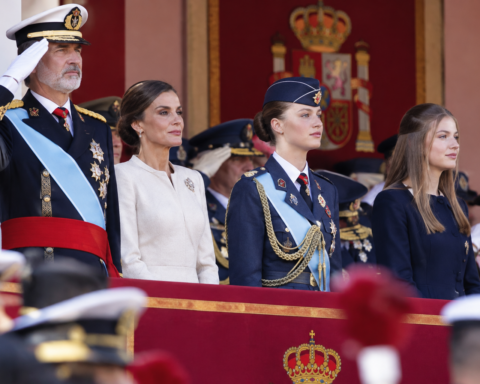
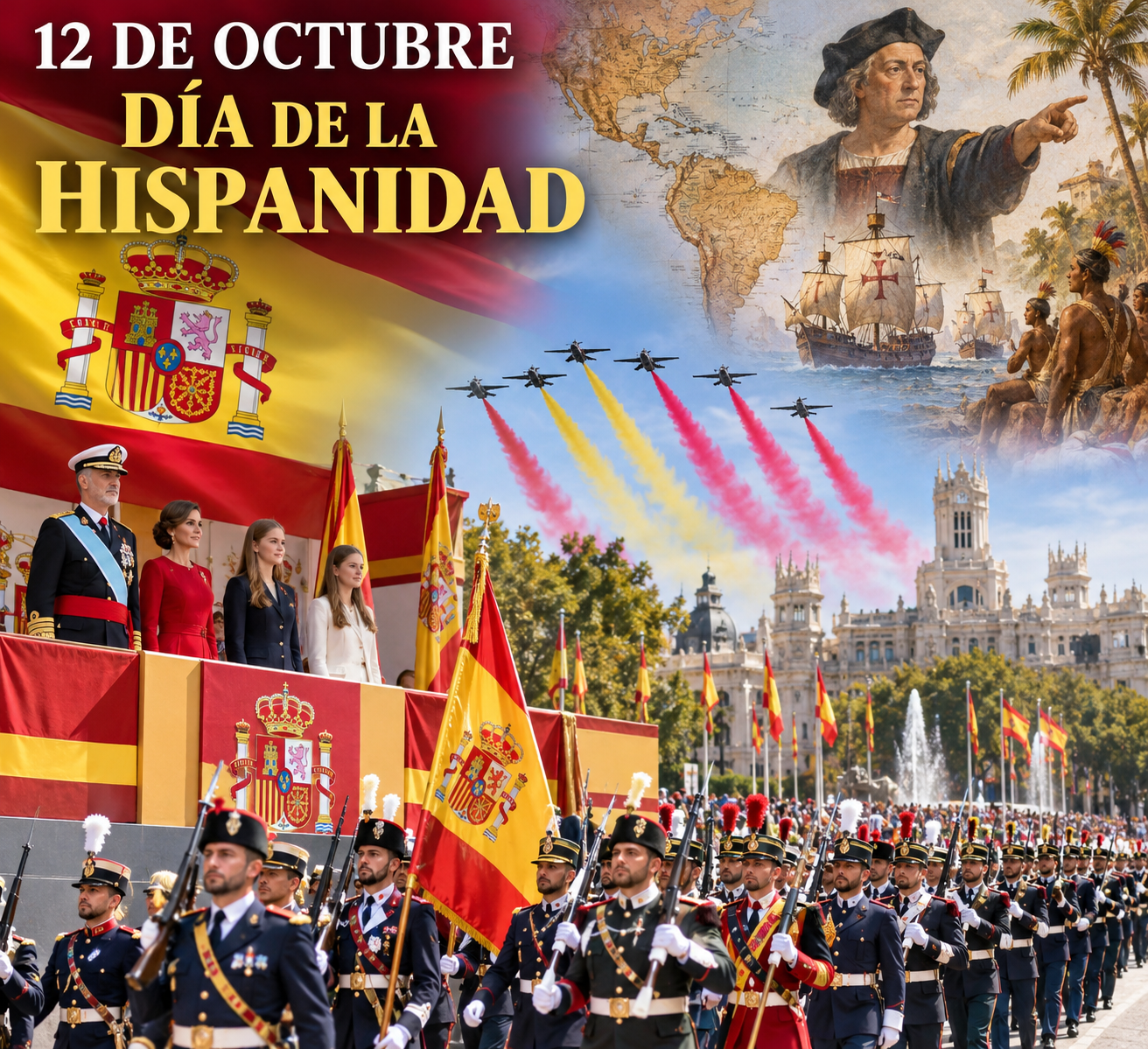
The traditional military parade, scheduled to begin at 11am, is the centrepiece of the celebrations. King Felipe VI and Queen Letizia are expected to attend alongside Crown Princess Leonor and Infanta Sofía.
Approximately 4,400 personnel from the armed forces, security services and other state institutions are due to take part, accompanied by around 50 aircraft, 30 helicopters and numerous military vehicles.
The parade follows a route through central Madrid, beginning near Atocha railway station and continuing along Paseo del Prado, past Plaza de Cibeles and towards Plaza de Colón.
Among the traditional highlights are a parachute display featuring the Spanish national flag, an aerial flypast and a solemn tribute to members of the armed forces who have lost their lives in service.
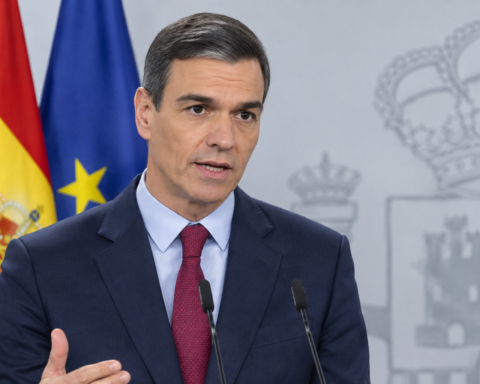
Prime Minister Pedro Sánchez and other senior representatives of the Spanish state are also expected to attend.
For many Spaniards, the ceremony is a moment of national pride, bringing together the monarchy, the armed forces and the country’s principal institutions.
Feliz día de la hispanidad https://t.co/HAWA8QKiPH
— Spaniard (@SpaniardBalbo) October 12, 2026
Why does Spain celebrate 12 October?
The origins of the holiday date back more than five centuries.
On 12 October 1492, Christopher Columbus reached an island in what is now the Bahamas during his first voyage across the Atlantic.
His arrival marked the beginning of a period of profound historical change, establishing lasting connections between Europe and the Americas.
Over the following centuries, Spanish language, culture, religion and political institutions spread across large parts of the American continent.
Today, Spanish is spoken by hundreds of millions of people worldwide and remains one of the most widely used languages in international communication.
The holiday therefore represents not only Spain’s national identity but also its historical and cultural connections with Spanish-speaking countries across the globe.
However, the legacy of 1492 remains deeply contested.
While the date has traditionally been associated in Spain with exploration and the emergence of a shared Hispanic cultural world, critics point to the conquest of indigenous territories, colonial exploitation and the devastating consequences for native populations.
In several Latin American countries, 12 October has consequently been reinterpreted as an occasion to recognise indigenous peoples, cultural diversity and the historical consequences of colonisation.
🇪🇸🎶 Las espectaculares imágenes aéreas del concierto de Sebastián Yatra durante las fiestas de la Hispanidad en Plaza de España, Madrid
Miles de personas corean al unísono “Robarte un beso”, el éxito que el colombiano comparte con Carlos Vives https://t.co/2e9LnalZmZ
— EL ESPAÑOL (@elespanolcom) October 11, 2026
A national celebration against a tense political backdrop
This year’s National Day takes place amid a politically charged atmosphere in Spain.
The prospect of an early general election and continuing disagreements between the country’s political parties have intensified the national debate.
Although the military parade is officially a state ceremony rather than a party-political occasion, National Day frequently provides a backdrop for wider discussions about Spanish identity, national unity and the role of the monarchy.
Different political movements also attach different meanings to the concept of Hispanidad, reflecting broader disagreements over the country’s history and its place in the modern world.
Vox leader Santiago Abascal has announced that he will not attend the official celebrations in Madrid, choosing instead to travel to the Spanish autonomous city of Ceuta.
Beyond the military parade: a celebration of Hispanic culture
While the military ceremony attracts much of the attention, the Día de la Hispanidad is increasingly celebrated through cultural events that reflect the diversity of the Spanish-speaking world.
Madrid has organised an extensive programme of activities running from 2 to 12 October, featuring more than 200 events.
Concerts, theatre performances, exhibitions, dance and gastronomy are among the attractions, with more than 20 countries participating.
The United States is this year’s guest country, highlighting the influence of its substantial Spanish-speaking population and the increasingly important role of Hispanic culture in American society.
Andalusia is also taking part in the celebrations, with events reflecting the region’s historic links to the Americas.
Seville, once one of the principal centres of Spain’s transatlantic trade, has a particularly strong historical connection to the period of exploration and colonial expansion.
These cultural activities offer a different perspective on National Day, placing greater emphasis on shared traditions, language, music and artistic expression.
What does National Day mean for residents and visitors?
For Spain’s millions of foreign residents, including the large international communities along the Costa del Sol, 12 October is also an opportunity to learn more about the country they have chosen to call home.
National Day is a public holiday throughout Spain, and because it falls on a Monday this year, many residents are enjoying a three-day weekend.
Schools, government offices and many businesses are closed, although restaurants, hotels and shops in tourist destinations may continue operating.
In areas such as Marbella, Estepona and Málaga, where international tourism remains an important part of the local economy, the holiday is likely to be reflected more in altered opening hours and leisure activities than in large-scale official ceremonies.
Those wishing to follow the celebrations in the capital can watch the military parade live from 11am on Spain’s public broadcaster La 1 and via RTVE Play.
A date that continues to shape Spain’s identity
More than five centuries after Columbus crossed the Atlantic, 12 October remains a date of considerable historical and symbolic importance.
For some, it represents national unity, cultural achievement and Spain’s enduring international influence. For others, it is an opportunity to reflect critically on the country’s colonial history and its consequences.
Both perspectives form part of the continuing conversation about what the Día de la Hispanidad means in the 21st century.
And while the military parade, royal appearances and Spanish flags dominate today’s images, the significance of the occasion extends far beyond Madrid.
It is a reminder of how profoundly Spain’s history has shaped the wider world — and how that shared past continues to influence its present.
Spain’s National Day celebrations are broadcast live on La 1 and RTVE Play.