In Spain, a controversial political debate has been ignited over the future of public life: the conservative Partido Popular (PP) and the right-wing populist party Vox have announced in the Congress of Deputies that they will support a legislative initiative aimed at banning the wearing of the burqa and the niqab in public spaces.
Spain Press Editorial Team
What exactly is being proposed?
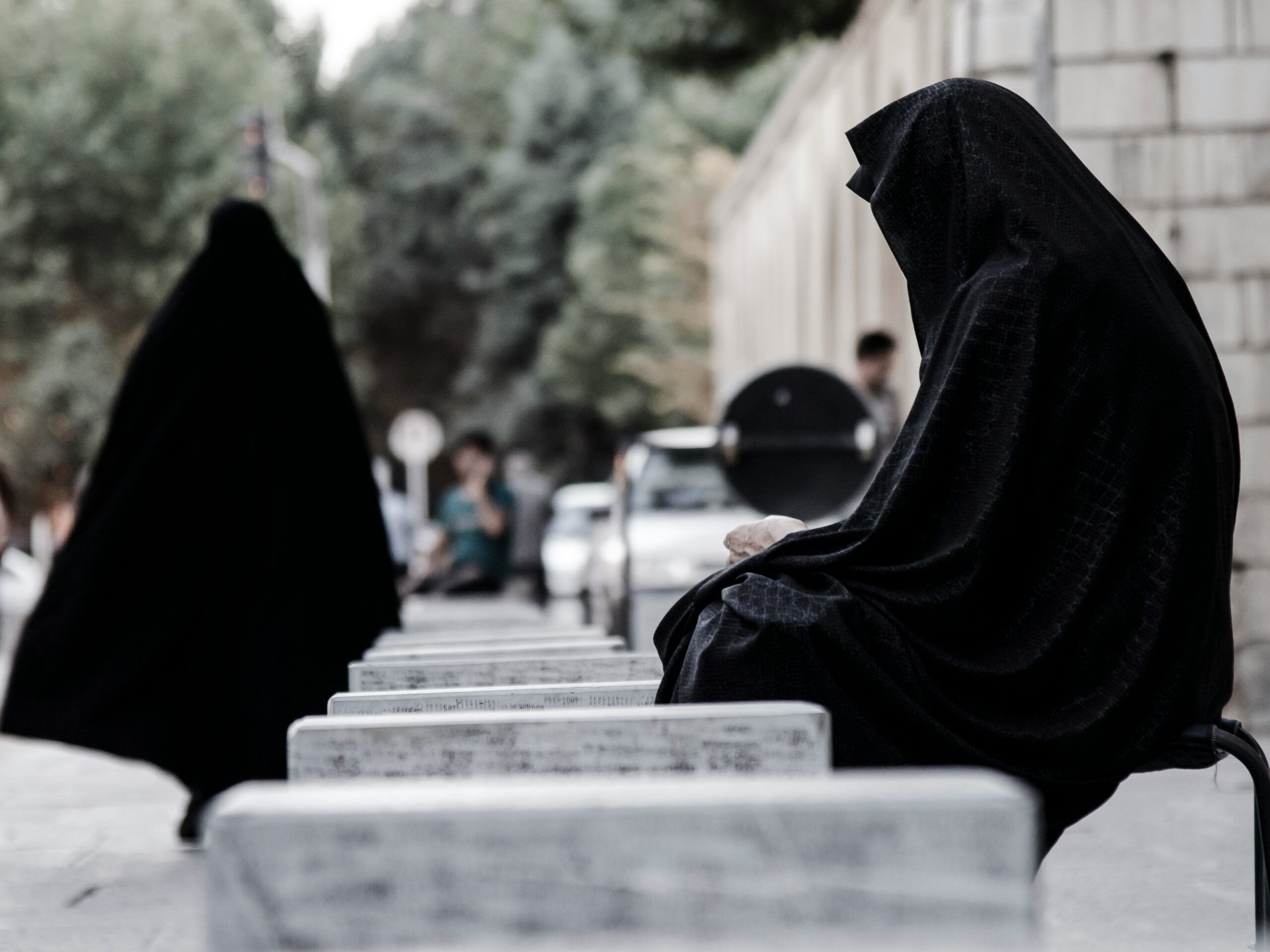
The core of the initiative aims to ban the burqa and niqab – garments that completely cover the face – across all public spaces in Spain. They would no longer be permitted on public streets, squares, or in public facilities.
Importantly, the proposed law does not affect the hijab – the traditional headscarf worn by many Muslim women – but exclusively targets forms of full-face covering where the face is not visible.
What does the draft law include?
According to sources from the Congress, the proposals would include:
-
A clear legal definition of what constitutes a burqa and a niqab.
-
Penalties for those who force others to wear such garments – for example, through social or familial pressure.
-
Fines, and in particularly severe cases, imprisonment for violating the ban.
Specific details regarding the amount of fines or possible exceptions (for example, for religious ceremonies or security checks) are to be further developed during the parliamentary debate.
Supporters’ Rationale
Supporters of the initiative – led by Vox politicians and including voices within the PP – argue that:
-
The ban protects the personal dignity of women who might face social pressure due to full-face veiling.
-
The burqa and niqab could pose a security risk, as they hinder identification, for example at train stations, airports, or public events.
-
Germany, France, and Austria have implemented similar regulations that serve as models. While France has enforced such a ban since 2010, Spain currently lacks a comparable national law.
Pushback and Criticism from the Political Centre and Left
Resistance to the initiative is forming primarily from the ranks of the social-democratic PSOE and left-wing parties, as well as from human rights organisations.
-
Critics describe the proposal as discriminatory against Muslim women and an infringement on religious freedom.
-
Many voices warn that a ban could lead to further social exclusion of migrant women rather than contributing to their integration.
-
Other points of criticism concern the legal framework: there is debate over whether such a ban would be compatible with the fundamental rights enshrined in the Spanish Constitution and European human rights standards.
Political Context
The debate takes place during a politically sensitive period in Spain:
-
It is taking place shortly before the regional elections in Castilla y León on 15 March 2026, where migration and identity politics are among the dominant issues.
-
The PP’s support for a project traditionally initiated by Vox is seen by commentators as a strategic move aimed at appealing to more conservative voters.
Outlook
The future course of this legislative initiative remains uncertain. Before a law can be passed, the proposals must be formally submitted to the Congress, debated, and approved by a majority of deputies. It is expected that this will lead to an intense debate on civil rights, religious freedom, and integration.
For many observers, more is at stake than just the question of a clothing ban – it concerns a fundamental societal self-understanding of Spain in the 21st century.