For many foreigners living in Spain — or those who have only recently arrived — March is often the month when they begin to truly understand the country.
Winter fades, the days grow longer, and public life returns to the streets. At the same time, Spain enters a period of renewed cultural, social and economic activity.
March may not be the loudest month of the year, but it brings with it a series of events that reveal the country’s character in full.
Las Fallas in Valencia: Fire as Art
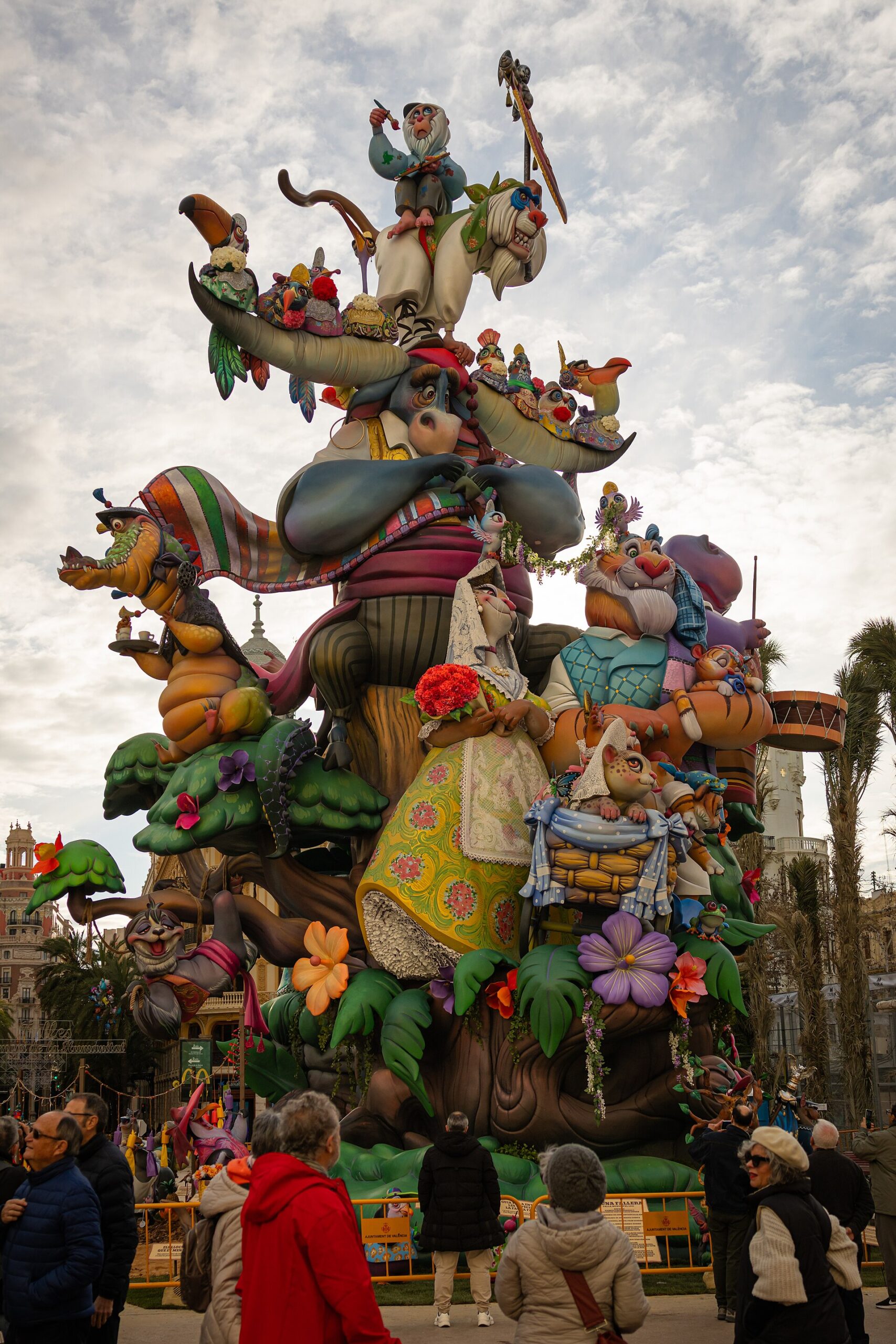
Between 15 and 19 March, Valencia hosts one of Europe’s most spectacular festivals: Las Fallas.
Across the city, monumental figures are erected — often satirical portrayals of politicians, celebrities or contemporary social themes. Each day, locals and visitors gather for the mascletà, a pyrotechnic display where sound, rather than visual spectacle, takes centre stage.
The celebrations culminate in La Cremà, when these elaborate creations are set alight in a symbolic act of renewal.For many newcomers, this is their first encounter with Spain’s distinctive festive culture, where fire, community and tradition are deeply intertwined.
Carnival Atmosphere
Depending on the calendar, elements of Carnival may extend into March.
In cities such as Cádiz and Santa Cruz de Tenerife, music, satire and elaborate costumes transform daily life into a vibrant public performance. Unlike more commercialised celebrations elsewhere, Spain’s carnivals remain rooted in local identity and social participation.
IT’S OFFICIAL: #VALÈNCIA IS IN #FALLAS! 📢🔥
The most incredible festival on Earth just kicked off. Are you joining us this year? 🎆🙌#Crida26 #VisitValència #Falles26 pic.twitter.com/X4eqSDxRiO
— Visit València Spain (@ValenciaCity) February 22, 2026
Preparations for Semana Santa
Even when Holy Week falls in April, preparations intensify throughout March.
In many Andalusian cities — including Málaga, Seville and Granada — brotherhoods begin their rehearsals at night. Processional floats are prepared, and participants train to carry these immense structures through historic streets.
To outsiders, the sight of groups moving large wooden constructions after dark may seem unusual. Yet these preparations highlight the profound cultural significance of Semana Santa, which extends far beyond its religious origins.
Rural Fairs and Traditional Markets
March also sees the return of agricultural and livestock fairs across many regions of Spain.
Particularly in Andalusia, Castilla and Extremadura, producers, breeders and artisans gather at regional events showcasing local products, horses and farming traditions.
These fairs offer a glimpse into a Spain that remains deeply connected to its rural heritage.
The Start of the Outdoor Season
With milder temperatures, the outdoor sports calendar begins.
Cities and towns host:
-
Marathons
-
Cycling races
-
Community runs
Public spaces once again become lively, reflecting Spain’s enduring outdoor lifestyle.
Nature Begins to Blossom
March also brings visible changes to the landscape.
Almond trees bloom, while orange blossoms — known as azahar — fill the air in many southern cities.
For many expatriates, this marks the moment when Spain becomes not only visible, but sensory.
Cultural Season Resumes
Alongside these developments, smaller cultural events begin to reappear, including:
-
Alongside these developments, smaller cultural events begin to reappear, including:
-
Gastronomic festivals
-
Local music gatherings
These form the prelude to Spain’s busy spring and summer calendar.
A Month of Transition
March may not be Spain’s most famous month, but it represents a meaningful turning point.
It is the time when:
-
Traditional festivals such as Las Fallas take place
-
Carnival celebrations linger
-
Semana Santa begins to take shape
-
Rural traditions re-emerge
-
Life moves back outdoors
-
And spring gradually settles across the country
For foreigners living in Spain — or newly arrived — March offers a first genuine insight into the country’s cultural rhythm and vitality.