A long-standing and politically highly sensitive debate has once again flared up in the Spanish Parliament: the Congreso de los Diputados is once again addressing possible regulations on full-face and full-body veiling in public spaces. The trigger is a new initiative by the Catalan party Junts, which has, together with the governing party PSOE, sparked a parliamentary discussion.
Spain Expat Press Editorial Team
by Marlon Gallego Bosbach
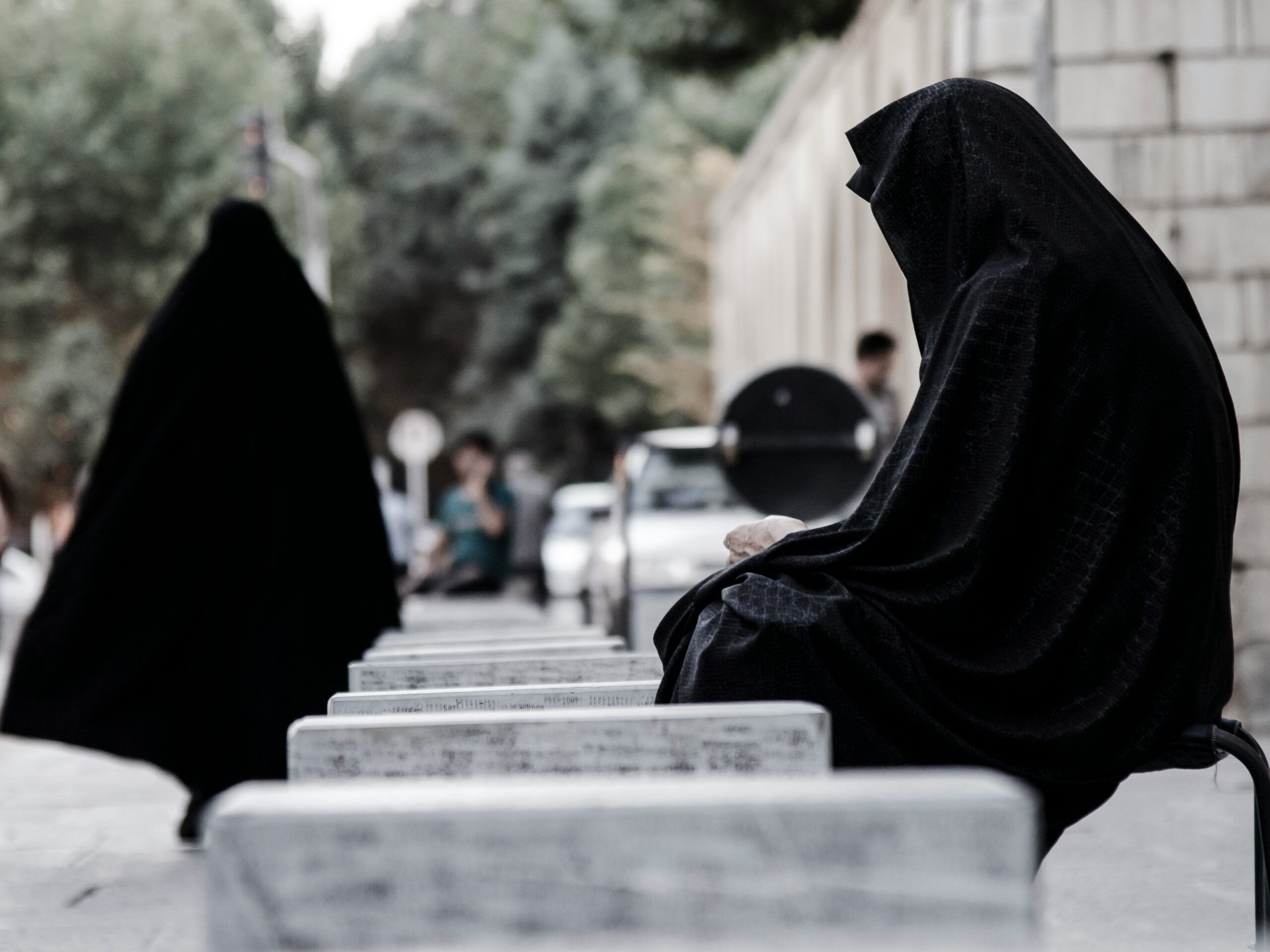
At the centre of the debate is the question of whether garments such as the burka and niqab should be restricted or banned in public spaces on security and identification grounds.
Security or restriction of fundamental rights?
The initiative primarily argues on security grounds. According to its supporters, it must be ensured that individuals in public spaces remain clearly identifiable. At the same time, the measure is presented as part of a broader debate on public safety.
Critics, however, warn of a potential restriction of fundamental rights, particularly freedom of religion and expression. They see such proposals as carrying the risk of socially stigmatising certain population groups.
Political lines in Parliament
The debate is causing familiar tensions within the Spanish party system:
- Vox has been calling for a nationwide ban on full-face and full-body veiling for years and clearly positions itself in favour of restrictive measures.
- Partido Popular has shown partial support for stricter regulations, although without maintaining a unified stance.
- Sumar rejects bans and emphasises individual freedoms.
- Regional parties such as the PNV have also expressed criticism of blanket bans.
The governing party PSOE is once again acting in a mediating role, signalling openness to debate while rejecting extreme positions.
A recurring political issue
The Burka debate is not a new issue in Spain. Similar proposals have already been discussed in Parliament in the past, but they have often failed due to a lack of majorities or political resistance.
Even within the current initiative by Junts, a tension becomes apparent: while the party on the one hand emphasises security-related arguments, there is at the same time the question of how far regional powers should extend in such socially sensitive policy areas.
More than just a question of clothing
Behind the debate lies a fundamental political tension:
- Security vs. personal freedom
- Integration vs. cultural identity
- Centralised state legislation vs. regional autonomy
This places Spain within a Europe-wide debate that has already led to similar controversies in several countries.
Political sensitivity remains high
Whether the initiative will ultimately lead to concrete legislative consequences remains uncertain for now. What is clear, however, is that the renewed debate highlights how closely social and political issues in Spain are intertwined – and how quickly they can intensify and create new lines of conflict within Parliament.
For now, the Burka issue remains above all one thing: a politically sensitive topic with strong symbolic significance.