Two days before the general election, the same phrase can be heard in bars, offices and TV studios across Spain: “el pescado ya está vendido”, the fish has already been sold. It is just one of the many expressions Spaniards use to explain the world through food, animals and history. It is a language that does not set out to speak plainly, but to speak with wit.
Spain Expat Press Editorial Team
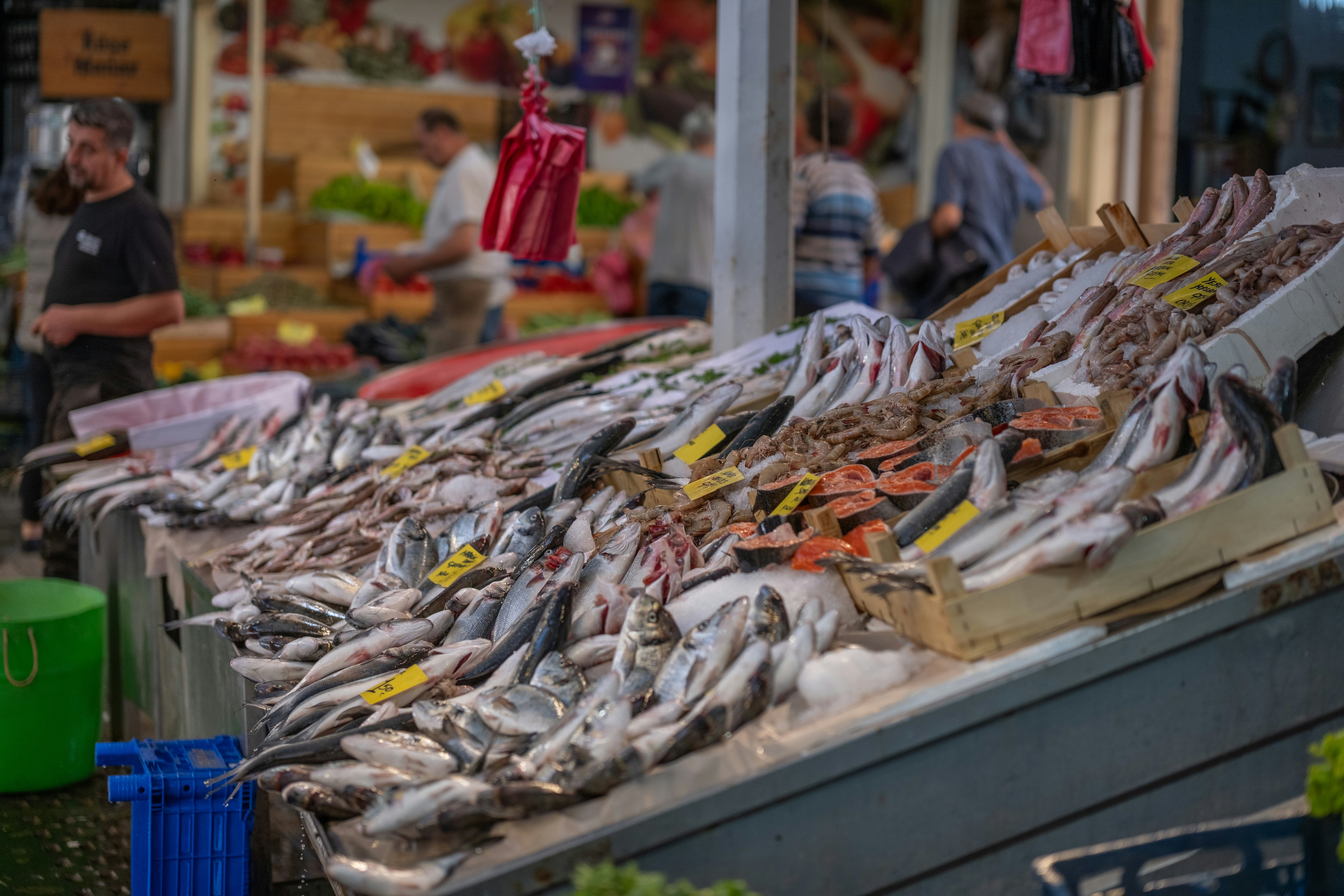
At every bar counter in Spain this week, someone is discussing Sunday’s election, sometimes with resignation and sometimes with satisfaction: “That’s been decided for ages. El pescado está vendido.” Nobody is talking about hake or sardines. What they mean is that the die is cast and the result is known before the final whistle. In English, you might call it a done deal.
The expression comes from fish auctions and markets. Once the bidding is over and the catch has an owner, there is nothing left to haggle over, and anyone who turns up late goes home empty-handed. It is a very Spanish image, practical and slightly fatalistic, and it works just as well for an election as for a promotion or a job competition.
But the fish is not alone. Everyday Spanish is full of phrases that any native speaker understands instantly and that leave any foreigner who tries to translate them literally completely baffled.
The language’s larder
If the fish has already been sold, the rest of the shopping basket has plenty to offer too.
Me importa un pimiento (literally “it matters a pepper to me”, or a cucumber, or a radish) means you could not care less. Cheap vegetables serve as the yardstick of indifference. English speakers don’t give a fig; Spaniards don’t give a pepper. It is the reply of someone who won’t even glance at the polls.
Ser un chorizo (“to be a chorizo”) has nothing to do with the paprika sausage. A “chorizo” is a thief, a crook who helps himself to what isn’t his. The word appears in the papers every day, especially in corruption stories, and during an election campaign it is heard more than ever.
Aquí hay tomate (“there’s tomato here”) means there is trouble, scandal or something fishy going on. It became so popular that a well-known Spanish TV gossip show was named after it.
Estar como un queso (“to be like a cheese”) is a compliment for someone very attractive. Why cheese, of all things, remains a mystery.
Ponerse las botas (“to put on one’s boots”) means to stuff oneself, or to cash in on something handsomely. The British “fill your boots” is a near-perfect match. According to the most common explanation, only the rich could once afford good boots, hence the idea of a lavish feast.
Pedir peras al olmo (“to ask the elm for pears”) means expecting the impossible, because an elm will never produce pears, however nicely you ask. It is rather like trying to get blood out of a stone, or expecting a candidate to keep every promise.
A verbal zoo
Estar como una cabra (“to be like a goat”) means to be mad. Anyone who has watched a goat leap about the rocks for no apparent reason will understand the comparison. The English equivalent is mad as a hatter.
Dar gato por liebre (“to give cat for hare”) means swindling someone by passing off something inferior as the real thing, much like selling a pig in a poke. Legend has it that in old roadside inns, more than one traveller dined on a “hare” stew that had once miaowed.
Montar un pollo (“to set up a chicken”) means kicking up a fuss or making a scene, as in the televised debates. A widely repeated but unproven explanation traces it to the “poyo”, the stone bench that street orators climbed onto to rouse the crowds. Over time, “poyo” would have become “pollo”.
Ser más chulo que un ocho (“to be cockier than an eight”) describes someone brash and full of themselves. The eight is said to be Madrid’s number 8 tram, which ran to the San Isidro fair, where the “chulapos” paraded in their finest costumes.
When history becomes a phrase
Más se perdió en Cuba (“more was lost in Cuba”) is used to play down a setback, and on Monday plenty of election losers will be saying it. It refers to the disaster of 1898, when Spain lost Cuba, Puerto Rico and the Philippines. Compared with that, any defeat looks small. The British equivalent is fittingly fishy: worse things happen at sea.
A buenas horas, mangas verdes (“at a fine hour, green sleeves”) is said when help arrives too late, like a campaign that only wakes up in its final week. Tradition attributes it to the Santa Hermandad, a kind of rural police force in the time of the Catholic Monarchs. Its men wore green sleeves and had a reputation for turning up long after the crime had been committed. In English, it is shutting the stable door after the horse has bolted.
Estar en el quinto pino (“to be at the fifth pine”) means being miles away, out in the back of beyond. The best-known explanation takes us back to 18th-century Madrid, when five pine trees stood along what is now the Paseo de la Castellana, the fifth being the furthest from the centre.
Ser del año de la pera (“to be from the year of the pear”) means to be ancient, so old that nobody remembers the exact date. As old as the hills, in other words.
Love, heartbreak and the ballot box
Dar calabazas (“to give pumpkins”) means turning down a suitor, or failing an exam. In antiquity and the Middle Ages, the pumpkin was believed to have properties that dampened desire. On Sunday, millions of voters will be handing out pumpkins to more than one candidate.
Tomar el pelo (“to take someone by the hair”) means teasing someone or taking them in with a smile, the equivalent of pulling someone’s leg. Many voters feel exactly that way when they hear campaign promises.
Hacer la pelota (“to make the ball”) means sucking up to someone to win their favour. After every election, a fresh crop of “pelotas” gathers around the winners.
No hay tu tía (“there’s no your aunt”) means there is nothing for it, and no remedy left. Many link it to “atutía”, an old medicinal ointment: if even the atutía couldn’t cure you, nothing could.
A language that laughs at itself
These expressions say a great deal about the Spanish character: a love of exaggeration, humour as a way of cutting problems down to size, and a close bond with food and street life. Many have uncertain origins, and some of the popular explanations sound more like legend than etymology. But that is part of their charm.
On Sunday night, Spain will find out whether the fish really had been sold, or whether, as so often, there was tomato after all. Whatever the outcome, some will be filling their boots, and others will console themselves that worse things happened in Cuba.