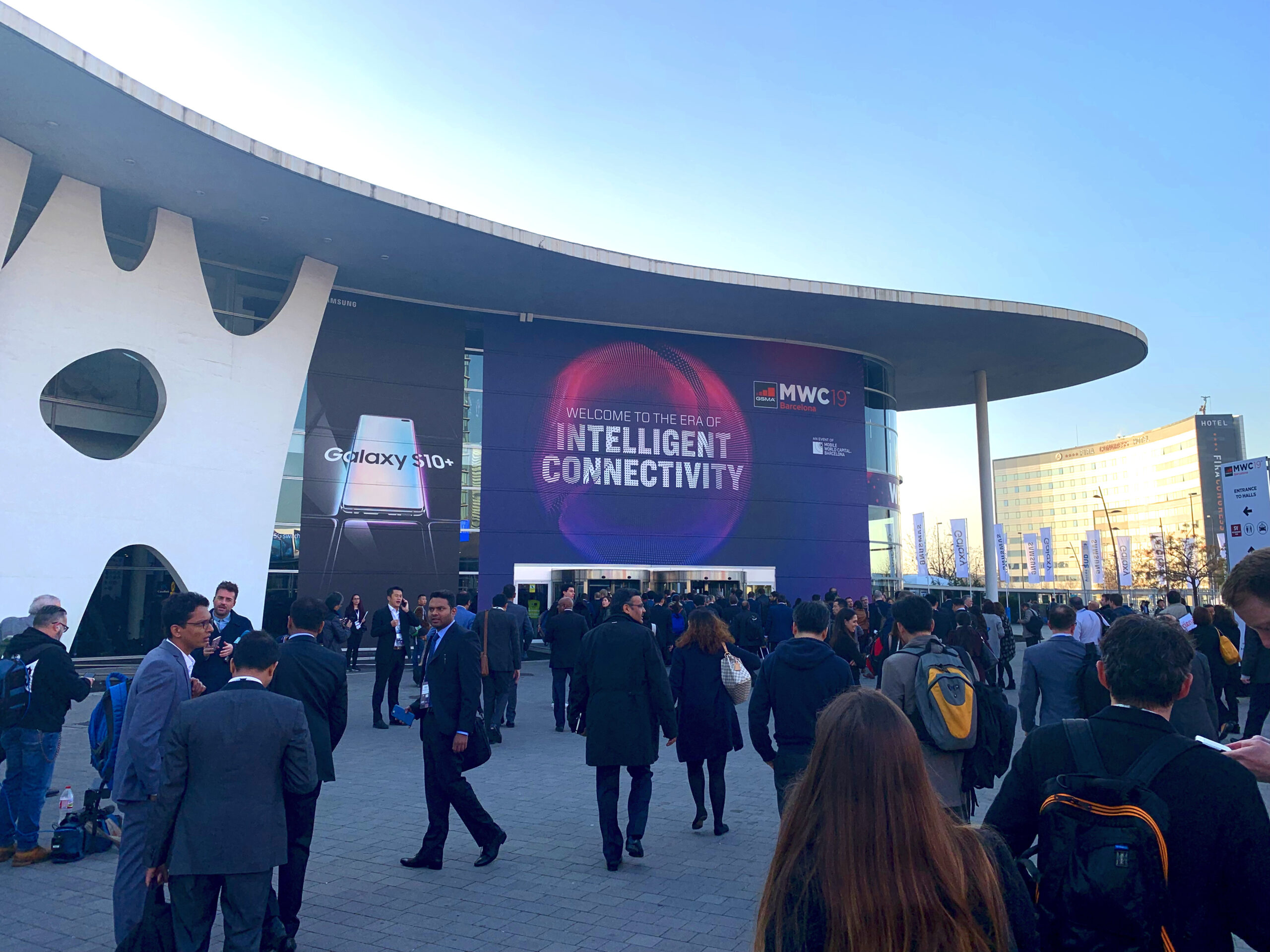
The Mobile World Congress (MWC) 2026, one of the most important technology events of the year, is heavily impacted by the consequences of the war in the Middle East. Flight cancellations, the absence of senior officials, and a decline in international visitor numbers are the first signs of this disruption.
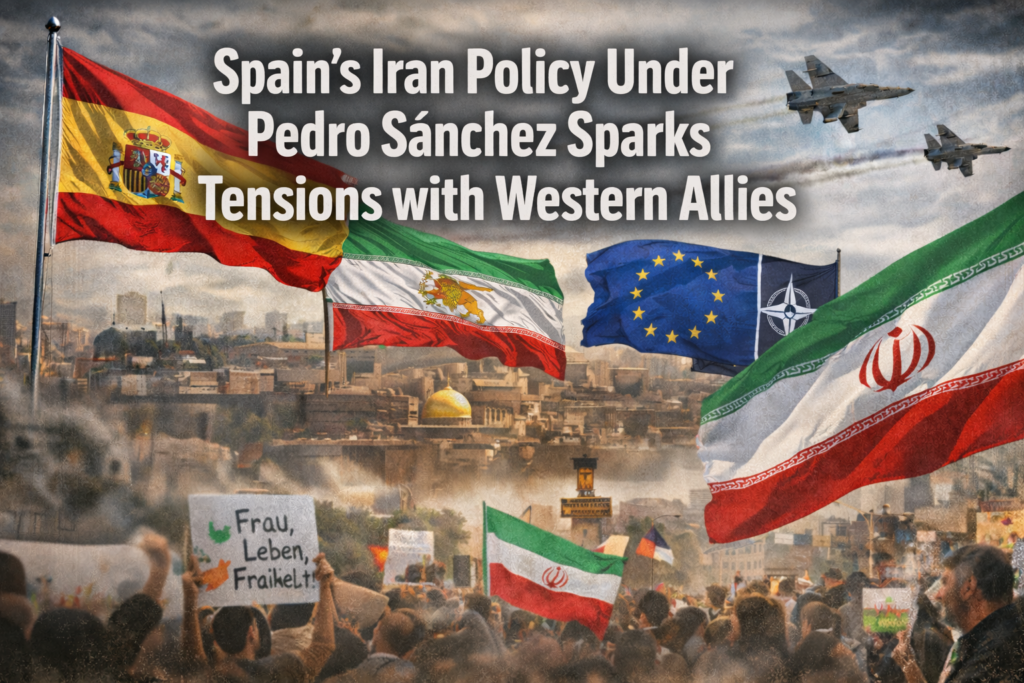
The conflict between Iran and Israel has unexpectedly escalated, affecting not only the region itself but also international air traffic. Airlines such as Qatar Airways, Emirates, and Etihad have been forced to cancel thousands of flights due to the closure of airspace over the Middle East, preventing many exhibitors and visitors from the region from making their way to Barcelona.
Spain Press Editorial Team
by Marlon Gallego Bosbach
Cancellation of events and prominent no-shows
With the increasing number of flight cancellations, several key events of MWC 2026 have also been affected. International speakers and leading business figures have had to cancel their participation, while some scheduled events have been reorganised or completely cancelled.
A notable example is the cancellation of Teresa Ribera, the Vice President of the European Union, who had to withdraw from the event due to an urgent meeting in Brussels. Her speech on the energy transition and the future of connectivity in Europe was one of the most anticipated.
Impact on visitor flow
The flight cancellations and the uncertainty of the conflict have had a direct impact on the number of international visitors. Many participants from the Middle East were unable to travel to Barcelona due to the flight cancellations, while other European delegates chose to stay away from the event due to the political instability.
Nevertheless, the organisers of MWC have tried to minimise the impact. They emphasise that the key players in the tech industry had already arrived in Barcelona on time and that the event is continuing with a diverse programme covering topics such as Artificial Intelligence, 5G, and telecommunications. However, the significance of the congress has been diminished by the absence of political figures and prominent representatives.
Challenges for the organisers and expectations
Despite the challenges, Carlos García, Director of the Mobile World Capital Barcelona Foundation, assured that the congress remains a global reference event for the tech industry. “We are in uncertain times, but MWC is more than just a trade show; it is a global platform that adapts to challenges,” García said at a press conference.
The organisers hope that the absence of participants from the Middle East can be compensated by visitors from other countries. However, initial estimates suggest that the overall number of attendees will decline, particularly from Asia and the Gulf region.
Economic impact and Barcelona’s image
In addition to the logistical consequences, the crisis could also have economic implications for Barcelona. The MWC is an important source of revenue for the city, both through tourism and the participation of businesses. A lower number of attendees could particularly affect local sectors such as hospitality, transport, and services.
Ana Pardo, spokesperson for the Barcelona City Council, emphasised, however, that the city remains a leading location for global events. “Despite the challenges, Barcelona remains a hub of global innovation, and this event will not change that,” Pardo concluded.