The new school year has barely begun, but respiratory viruses are already making their return across Spain. Alongside a sharp increase in flu cases, doctors are watching one development particularly closely: a rise in Covid-19 infections among babies under the age of one.
Spain Expat Press Editorial Team
Summer is drawing to a close, children are back in classrooms and Spain is once again entering the season of coughs, colds and respiratory infections.
But this year, health professionals are paying particular attention to the very youngest.
SARS-CoV-2 infections are increasingly being detected among babies under 12 months, making infants one of the age groups being closely monitored as Spain heads into autumn.
Covid is not the only virus making an early appearance. Flu infections are also rising, raising concerns that several respiratory illnesses could circulate simultaneously over the coming weeks and place additional pressure on GP surgeries, paediatric services and hospital emergency departments.
Why doctors are watching babies closely
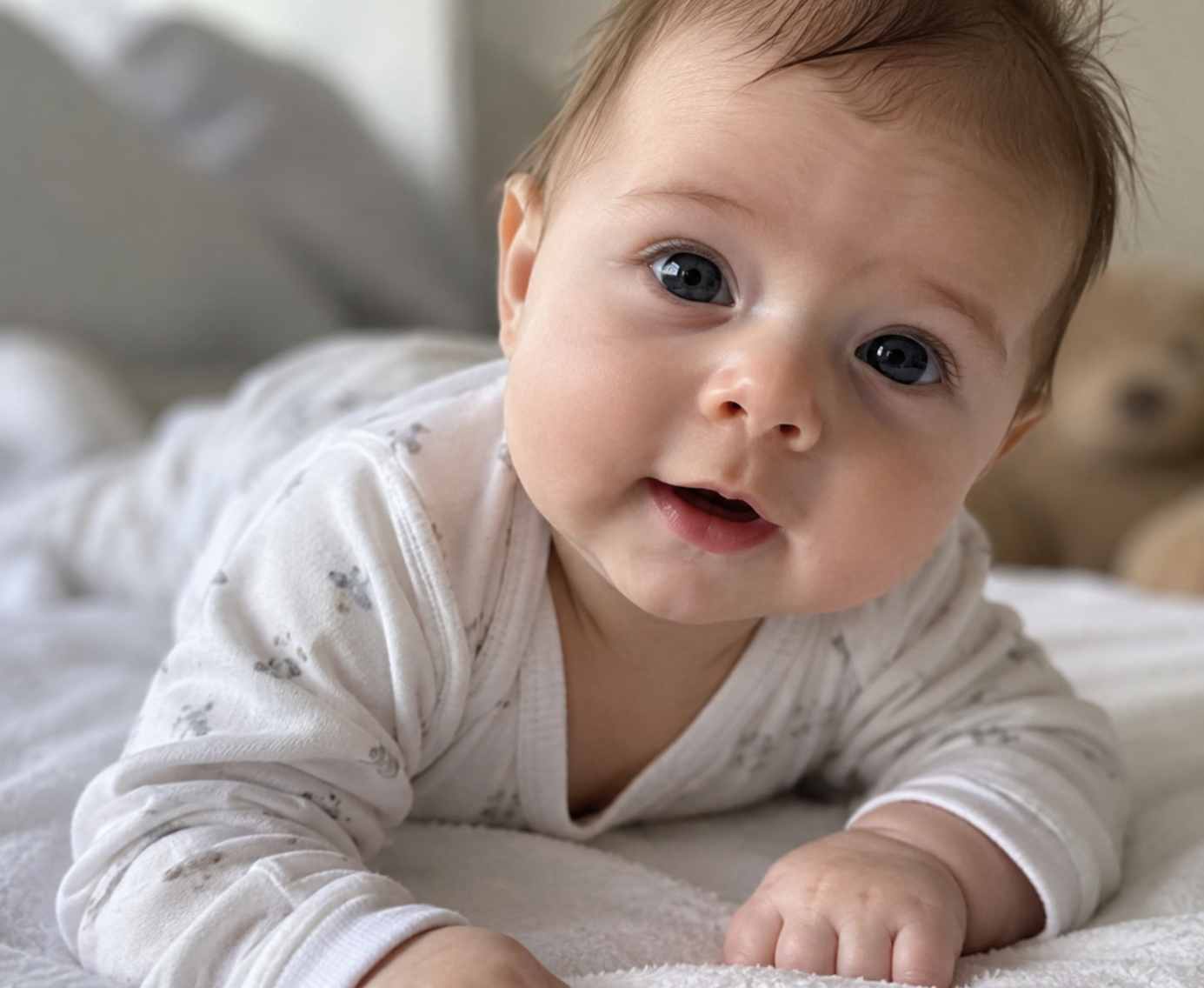
For most infants, Covid-19 does not result in serious complications. Nevertheless, babies – particularly during their first year of life – require closer observation when they become unwell.
Their immune systems are still developing and, unlike older children, babies cannot communicate how they are feeling. Their condition can also change relatively quickly.
Parents are therefore advised to watch for persistent or high fever, unusual drowsiness, difficulty feeding or drinking, and significant changes in their baby’s normal behaviour.
Breathing difficulties are among the most important warning signs. Rapid breathing or the skin visibly pulling in between or beneath the ribs when a baby breathes can indicate respiratory distress and should prompt immediate medical advice.
How can parents reduce the risk?
Some of the simplest precautions remain among the most effective, particularly when there is a newborn or very young baby at home.
Regular handwashing is important, especially before feeding, changing or holding a baby.
Families may also want to be more cautious about visitors during periods of increased respiratory illness. Anyone experiencing a cough, fever, cold symptoms or generally feeling unwell should avoid close contact with an infant wherever possible.
Crowded indoor environments can also increase the likelihood of respiratory infections spreading, making unnecessary exposure worth reconsidering when infection levels are high.
Breastfeeding and Covid-19
A positive Covid-19 test does not, in itself, mean that a mother needs to stop breastfeeding.
Current medical guidance continues to recognise breast milk as an important source of nutrition and immune protection for babies. Appropriate hygiene precautions should be followed, with individual medical advice sought where necessary.
An autumn of Covid, flu and respiratory viruses
It remains too early to know how severe Spain’s respiratory virus season will ultimately become.
What is already clear, however, is that Covid-19 has not disappeared. As autumn begins, it is once again circulating alongside flu and other seasonal respiratory viruses.
For families with very young babies, the message is not one of alarm but of awareness: keep an eye on symptoms, limit unnecessary exposure when illness is circulating and seek medical attention promptly if a baby develops difficulty breathing.
The coming weeks will reveal whether the current increase begins to ease or marks the start of a particularly active respiratory virus season in Spain.