Spanish government to approve measures again after dissolving parliament, shifting vote to smaller body where Catalan separatists Junts no longer hold the balance of power
Spain Expat Press Editorial Team
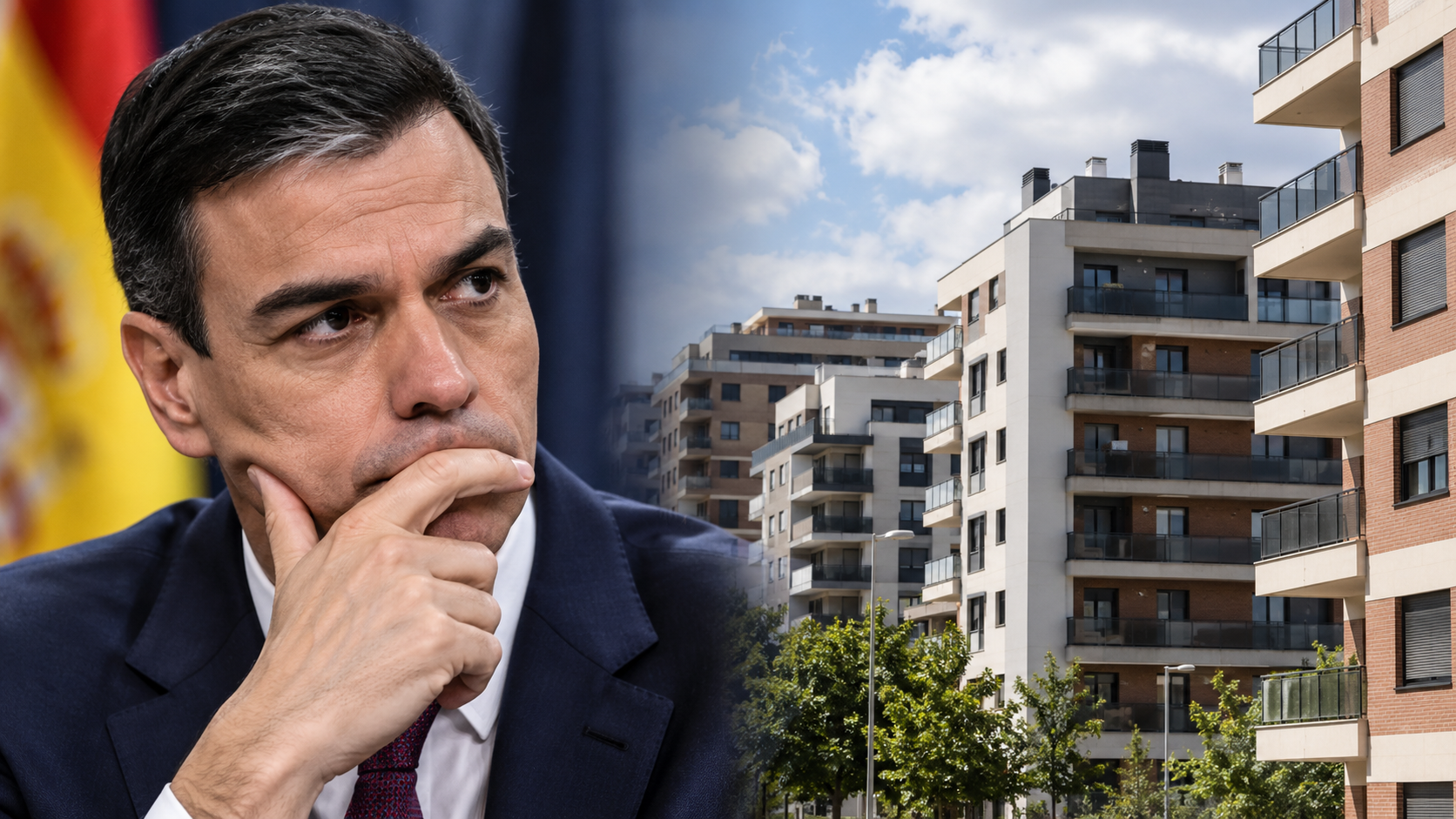
The Spanish government is to approve again a package of housing measures that parliament rejected last week. The move, which opponents have denounced as a constitutional sleight of hand, could see the reforms become law without the support of the Catalan party whose votes sank them.
The cabinet of the prime minister, Pedro Sánchez, was expected to re-approve two emergency decrees on Tuesday, four days after they were defeated in the Congress of Deputies. Sánchez dissolved parliament on Monday and called a snap general election for 29 November.
The timing is no accident. Under Spain’s constitution, decree-laws take effect immediately but must be ratified by parliament within 30 days. When the chambers are dissolved, that power passes to the Diputación Permanente, a standing committee of 69 members that reflects the parties’ strength in parliament in miniature.
In the full 350-seat chamber, the seven deputies of Junts, the hardline Catalan separatist party led by the exiled former regional president Carles Puigdemont, proved decisive on Friday. They joined the conservative People’s party (PP) and the far-right Vox to defeat the first decree by 178 votes to 172 and the second by 184 to 166.
On the standing committee, however, Junts has only one seat. According to calculations published in the Spanish press, the government could reach the 35 votes it needs with its Socialist party (PSOE), its junior coalition partner Sumar, the Catalan Republican Left (ERC), the Basque pro-independence EH Bildu and the Basque Nationalist party (PNV). On those numbers, Junts would no longer be decisive.
Much of the Spanish media has described the manoeuvre as a calculated political gamble: rather than winning over new allies, the government has changed the room in which the votes are counted.
‘Limitless ambition’
The opposition reacted furiously. The PP and Vox called the plan “tramposo” (a cheat). The PP leader, Alberto Núñez Feijóo, accused Sánchez of displaying a “limitless ambition for power” and argued that re-approving measures parliament had just voted down rendered that vote meaningless.
The government insists it retains full powers until the election and that the constitution allows it to legislate by decree in cases of “extraordinary and urgent need”, which it says Spain’s housing crisis plainly represents. Ministers have said the new texts will contain only “non-substantial” changes.
The first decree, nicknamed the “Maricarmen decree” in the Spanish press, would extend a moratorium on evictions of vulnerable households until the end of 2030. It would also expand affordable housing, restrict certain property purchases, strengthen protections for tenants and change several taxes, including income tax, VAT, corporation tax and local property tax. The second decree would give tenants greater stability by lengthening the effective duration of some rental contracts.
Weak spot
The government’s plan is not without risk. The PNV backed the first decree but voted against the second, arguing it would harm some landlords. Because the Basque party’s single vote is likely to be decisive on the committee, ministers may have to rewrite that text to secure its support.
The decrees come as housing has become one of Spain’s most explosive political issues. Rents and house prices have soared in recent years, particularly in Madrid, Barcelona and coastal areas popular with tourists and foreign buyers. At the weekend, tens of thousands of people marched in Madrid and about 50 other cities to demand government action, with some protesters calling for a general strike.
A poll published at the weekend by La Vanguardia found that housing is now the top concern for voters in Catalonia, ahead of immigration. That suggests the issue will dominate the campaign ahead of a 29 November election that Sánchez hopes to fight as the defender of tenants against what his allies have called a heartless right.