Thousands of people affected could be unable to vote in the parliamentary election on 29 November. The decision concerns entries on the electoral register for Spaniards living abroad and intensifies the political dispute over the rights of descendants of Spanish exiles.
Spain Expat Press Editorial Team
by Marlon Gallego Bosbach
Spain’s Supreme Court (Tribunal Supremo) has upheld the provisional suspension of voting rights for certain people who acquired Spanish citizenship under the so-called “Ley de Nietos”. As a result, those affected will, for the time being, be unable to vote in the early parliamentary elections on 29 November 2026. The court confirmed the measure this Monday.
The legal dispute centres on entries in the electoral register for Spaniards living abroad. The court order affects individuals whose registration is linked to the process of acquiring Spanish citizenship under the “Ley de Nietos”. The suspension is a provisional measure. It does not mean that those affected have definitively had their Spanish citizenship revoked, nor does it constitute a final ruling on the legality of all registrations.
Dispute over the “Ley de Nietos”
The “Ley de Nietos”, literally “Grandchildren’s Law”, is the commonly used name for a provision in Spain’s 2022 Democratic Memory Law (Ley de Memoria Democrática). It allows certain descendants of Spanish nationals to acquire Spanish citizenship. These include, among others, descendants of people who were forced to leave Spain during the Civil War or Franco dictatorship for political, ideological or other reasons covered by the legislation.
The legislation was intended to make it easier for certain descendants to obtain Spanish citizenship. Many people with Spanish ancestry, particularly in Latin America, took advantage of the opportunity to acquire the nationality of their ancestors.
However, the current legal dispute does not concern the existence of the “Ley de Nietos” itself, but rather the legality of certain entries in the electoral register. It also concerns an administrative instruction that sets out the procedures for applying for Spanish citizenship.
Court sees need for clarification over electoral registers
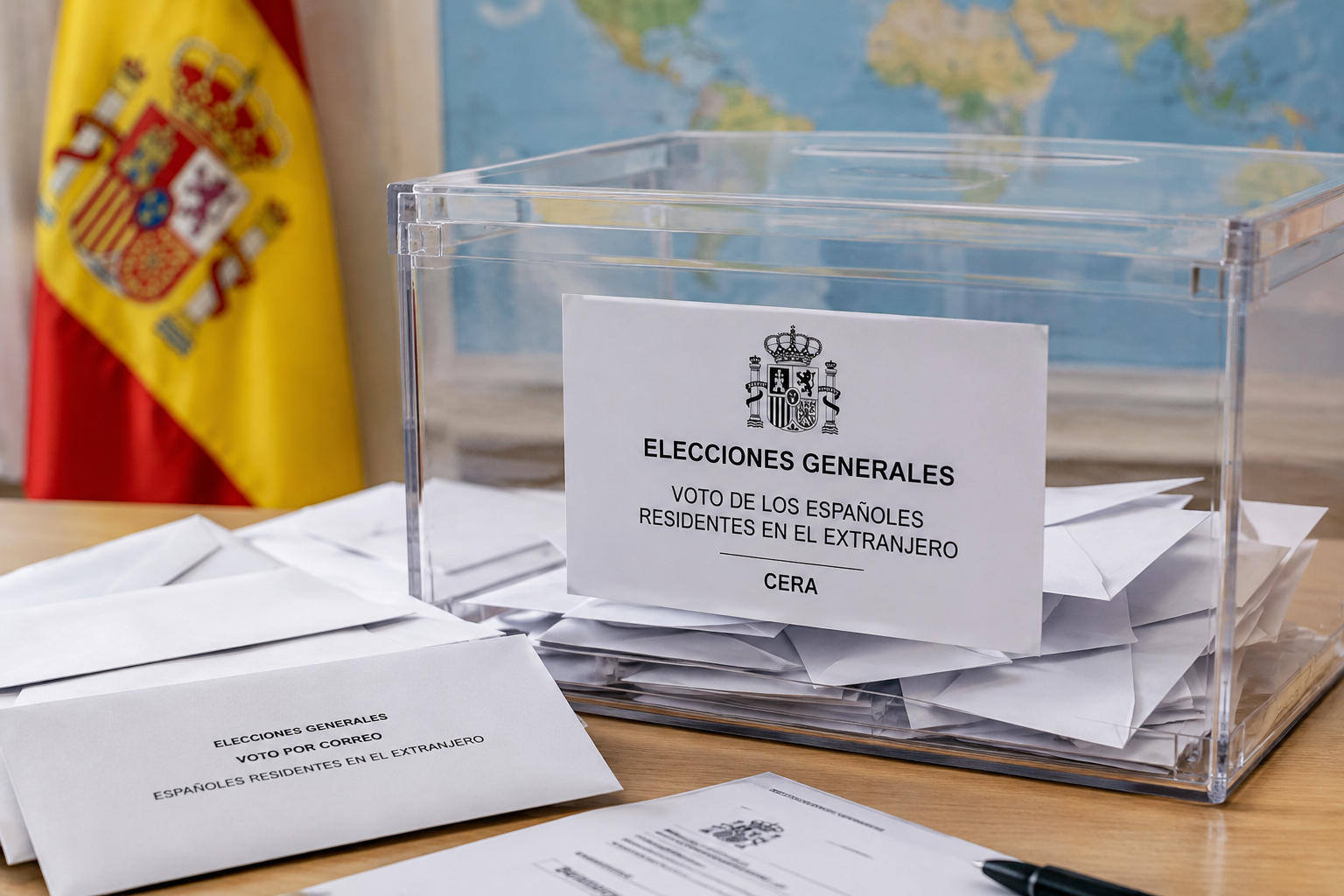
The Supreme Court had already ordered the provisional suspension on 10 September 2026. The decision followed concerns about the validity of entries in the electoral register for Spaniards living abroad, known as the Censo Electoral de Residentes Ausentes (CERA).
The number of registered voters living abroad has risen significantly in recent years. According to figures cited in the proceedings, the number of entries increased by more than 400,000 between the 2023 parliamentary elections and 1 July 2026. This development is linked to the expansion of access to Spanish citizenship, although it cannot be attributed solely to the “Ley de Nietos”.
According to information presented in the proceedings, around 170,000 files would need to be reviewed. This figure refers to the cases affected by the court order that require examination. It does not automatically correspond to the number of people whose citizenship is in question.
The court aims to ensure that the legality of the entries concerned can be clarified through the provisional measure. However, the ruling has immediate consequences for the upcoming election: those affected will be unable to cast their votes for the time being.
Prosecutors and the government sought to have the measure lifted
Before Monday’s ruling, both the public prosecutor’s office and the state’s legal representatives had argued in favour of lifting the provisional suspension. They pointed in particular to the practical difficulties of reviewing the files concerned in time.
Another problem is that the electoral register for the election had already been finalised on 1 August 2026. Reviewing the large number of cases within the time remaining before the election on 29 November would therefore pose considerable organisational challenges.
The Supreme Court did not agree with this assessment and upheld the suspension. The six-member panel reached its decision with one judge dissenting.
The provisional measure therefore remains in place despite objections from the state authorities. How the entries concerned are to be reviewed and what legal options are available to those affected remain important questions.
PSOE criticises restrictions on voting rights
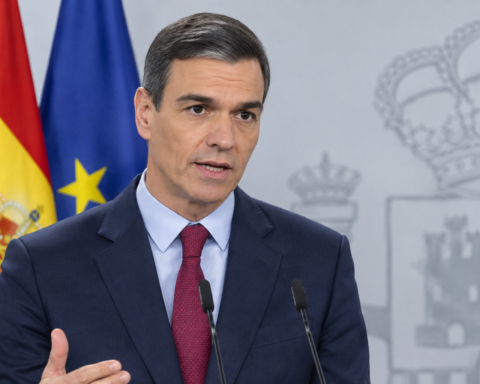
The decision has further intensified the political dispute over the handling of the ‘Ley de Nietos’. Prime Minister Pedro Sánchez and the Spanish Socialist Workers’ Party (PSOE) criticised the impact of the measure on the citizens affected.
Sánchez opposed a situation in which people are treated differently when exercising their democratic rights. The PSOE accused the conservative People’s Party (PP) and the right-wing populist Vox of disadvantaging the descendants of people who were forced to leave Spain during the Civil War or Franco dictatorship.
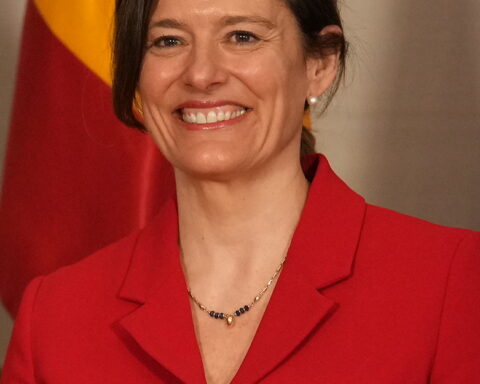
Interior Minister Fernando Grande-Marlaska also criticised the decision. The government views the suspension as a restriction on the political participation of people who have acquired Spanish citizenship.
The political statements must be distinguished from the court’s reasoning. In its interim measure, the Supreme Court has not made a final ruling on whether all the entries concerned were lawful or unlawful.
The PP and Vox point to the legal requirements
The leader of the Partido Popular, Alberto Núñez Feijóo, took a different position. He argued that the law grants voting rights to those who meet the relevant legal requirements. In his view, it is therefore necessary to examine whether the entries in question were made lawfully.
The Vox party, together with the organisation Iustitia Europa, requested the temporary suspension. It is therefore directly involved in the legal proceedings that led to the restriction of voting rights for the group concerned.
At the heart of the issue is the distinction between the right to Spanish nationality, the requirements for inclusion on the electoral register, and how those requirements must be verified in individual cases.
Further legal action remains possible
The decision issued on Monday does not provide a definitive resolution of all the legal questions. The state legal service intends to examine whether an appeal to the Spanish Constitutional Court is possible or whether this option is available only to those directly affected. It remains unclear whether further proceedings will follow and whether the legal position will change before the election.
For those affected, the ruling initially means that they will be unable to vote in the parliamentary election on 29 November 2026. The decision therefore concerns not only the legal dispute over registration on the electoral roll, but also the question of how people who acquired Spanish nationality under the Ley de Nietos can exercise their political rights.