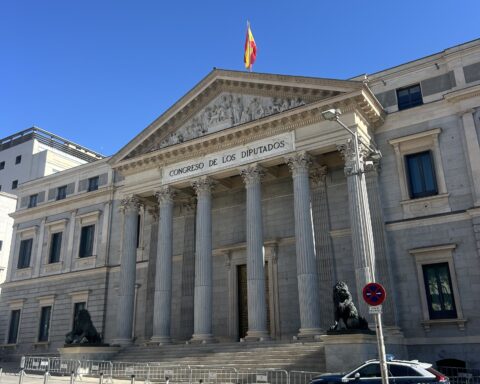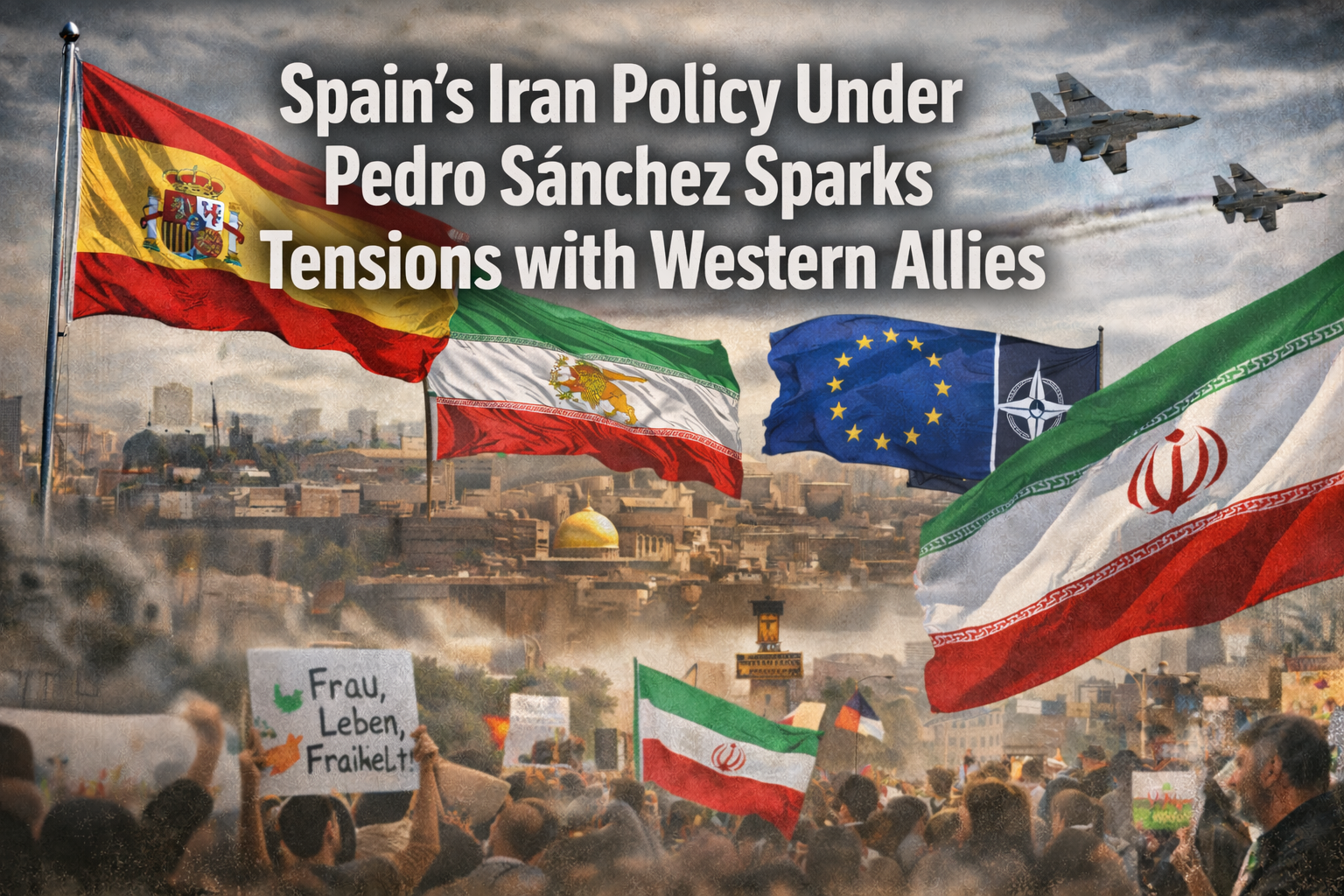
The conflict with Iran has once again placed international politics under strain. The government led by Pedro Sánchez has taken a clear position: Spain defends international law, rejects military interventions without a clear mandate, and calls for diplomatic de-escalation.
Madrid has condemned the military strikes against Iran and decided not to authorise the use of Spanish military bases for offensive operations. At the same time, the government stresses that opposing military intervention does not equate to supporting the Iranian regime — a regime it has also criticised firmly over human rights violations.
Spain Press Editorial Team
Domestic political debate
Yet this stance is increasingly controversial. While many Western partners emphasise security unity, Spain’s approach is viewed by some observers as a unilateral move. Critics argue that Sánchez is deliberately distancing Spain from key allies and risking diplomatic isolation.
Some voices interpret his strategy as an attempt to position himself internationally as a moral counterweight to more confrontational political figures — such as Donald Trump. However, this course could deepen tensions within Western alliances and potentially weaken rather than strengthen Spain’s influence.
The Iranian community in Spain
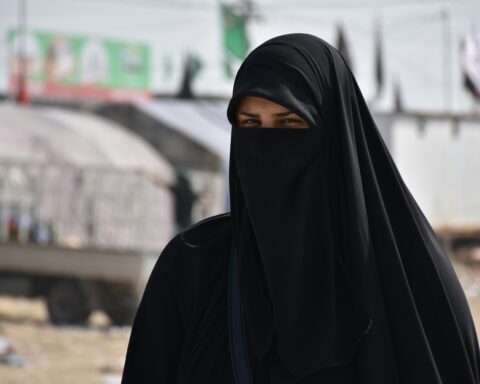
Opinion is also divided within the Iranian diaspora in Spain. Many Iranians living in the country are openly critical of the regime and support movements such as “Woman, Life, Freedom”, seeing any weakening of the system as a possible opportunity for democratic change.
At the same time, concern for the civilian population remains high — particularly for relatives who continue to live in Iran. Part of the community rejects both internal repression and the risks posed by external military intervention.
In cities such as Madrid and Barcelona, symbolic gatherings have been held calling for freedom, human rights and the protection of civilians.
Conclusion
The situation is complex and emotionally charged. Spain officially advocates diplomacy and adherence to international law. For many Iranians in Spain, however, the conflict represents a deeply personal reality — a space suspended between hope for change and fear of further escalation.
And therein lies the essence: foreign policy is never merely strategy — it is always personal.